As an Amazon Associate, we earn from qualifying purchases. Some links on this site are affiliate links at no extra cost to you. Our recommendations are based on thorough research and editorial judgment.


Brush Care Basics: How to Keep Bristles Straight and Responsive

What’s the biggest frustration you face with your paint brushes? If they’re not well taken care of, you might find those bristles getting ragged and losing their shape, which is a real hassle. Regular brush care is key to keeping them straight and responsive, and trust me, a little effort goes a long way.
You may be interested


First things first: clean your brushes immediately after use. I recommend using a gentle soap, like BB Frösch Brush Conditioning Soap. Just work it into the bristles gently; it’ll really help keep them in good shape. After cleaning, make sure to store them horizontally to avoid any bending or damage.
Do your brushes have pointy tips that have gone floppy? Here’s the trick: soak those misshapen brushes in warm water for about 10 minutes. Once they’re soaked, reshape them with care. It’s kind of amazing how quickly they bounce back.
It’s also wise to check your brushes regularly for wear. You might not notice it at first, but a few signs here and there can mean it’s time for a replacement or additional care.
So, why does this matter? Well, keeping your brushes in top shape can really enhance your painting experience, making it easier and more enjoyable.
As you dive deeper into brush care, you’ll discover even more techniques to extend their life and improve their performance. It’s all about the little things you do that add up over time.
So, next time you put your brushes to work, remember these tips. Want to make sure your tools are always ready? Start with proper care!
Key Takeaways
- Rinse brushes immediately after use to prevent paint from drying and damaging the bristles.
- Clean brushes with a gentle conditioning soap to effectively remove paint and maintain flexibility.
- Reshape wet bristles by wrapping the tips in a paper towel while drying to preserve their point.
- Store brushes horizontally to keep the ferrule clean and prevent water damage when wet.
- Regularly check for fraying bristles or paint buildup that may indicate the need for replacement or reshaping.
Understanding the Importance of Brush Care

Ever get frustrated when your paintbrush doesn’t perform the way you expect? You’re not alone. Many of us can overlook brush care, but taking a little time to maintain your brushes can make a big difference in your painting experience.
First things first, regular cleaning is a must. After each painting session, make sure to wash your brushes thoroughly. Dried paint can pile up and ruin the bristles, which affects the quality of your strokes. You’ve put effort into your work, so it only makes sense to keep your tools in top shape.
Here’s the trick: use the right soap when you clean your brushes. It not only gets rid of unwanted paint but also helps reshape the bristles and keeps their natural oils intact. This little bit of conditioning goes a long way in keeping your brushes flexible and ready for action. So, why does this matter? Because the better you take care of your brushes, the more consistently you’ll create the art you love.
And don’t forget to keep an eye on your brushes for signs of wear. Catching issues early can save you from having to replace them frequently. Make a habit of inspecting them to ensure they’re in good shape.
Lastly, think about how you store them. Laying your brushes flat instead of sticking them upright in a cup will help maintain their shape. It’s a simple adjustment that can prevent damage over time.
For a more effective cleaning routine, consider using quick-drying formulas that allow brushes to be used again without long wait times.
Step-By-Step Guide to Cleaning Your Brushes

Cleaning your brushes isn’t just about making them look nice; it’s crucial for keeping them performing well and lasting a long time. Have you ever pulled out a brush only to find it stiff and covered in dried paint? The key to avoiding that disappointment starts right after you’ve finished painting. Rinsing your brushes immediately helps stop paint from drying and clogging the bristles.
Then, look for a gentle cleaning agent—something like BB Frösch Brush Conditioning Soap works wonders. Try this: apply the soap directly to the bristles and work it in gently with your fingers. Rinse thoroughly until the water runs clear.
Now that your brushes are clean, reshaping them is essential. Wrap the bristle tips in a paper towel; this keeps them in their intended form as they dry. While it might seem small, this step is vital for maintaining the shape of the bristles.
Frankly, regular maintenance makes a big difference. Inspecting your brushes for any damage and conditioning them can truly extend their lifespan. The best part is that a little effort now translates to better performance later. Just like a high-quality material can prolong the durability of dust barriers, using proper care techniques ensures your brushes stay effective and long-lasting.
Recommended Products

Removes oils, acrylics, watercolours, stains, & varnishes

"The Masters" Brush Cleaner is the world's finest total care product for brushes that cleans and conditions in one step.

"The Masters" Brush Cleaner is the world's finest total care product for brushes that cleans and conditions in one step.
How to Properly Store Your Brushes After Use

Have you ever picked up a brush only to find it’s ruined from poor storage? It’s a common issue, but there are some simple ways to keep your brushes in great shape after you’re done painting.
First off, always store your brushes horizontally. This helps prevent paint from creeping into the ferrule, which can damage the brush tip and affect the bristles. Whatever you do, don’t leave wet brushes standing on their tip; that just invites water to settle in the ferrule, leading to serious problems down the line.
Before you place your brushes away, make sure they’re completely dry. Moisture can lead to deterioration, and nobody wants to deal with that headache later. The best part is, having a dedicated brush holder or container keeps your brushes organized and stops them from bumping into each other, which can cause wear.
Regularly check your stored brushes for any signs of wear or damage. Addressing these issues right away can help prolong their life and maintain their performance. So, why does this matter? Keeping your brushes in top shape not only helps your art but also saves you money in the long run. Using synthetic brushes with high-quality bristles also contributes to durability and minimizes shedding over time.
Recommended Products

Keep Brushes Organized & Protected: 30-slot roll-up brush case keeps all your paint brushes, pencils, and art tools neatly arranged and secure. Each pocket holds brush in place, and a horizontal retaining strap ensures they stay flat without bending or mixing tips-keeping every tool in perfect shape for each session
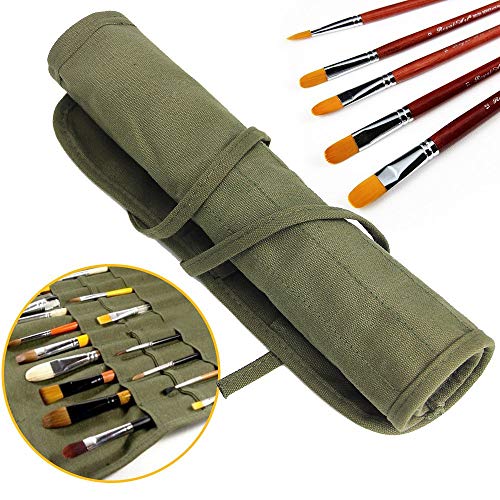
Better protection for your brushes. If you used to keep all of your paint brushes in an old can. That isn't exactly the best for the brushes. This is a hardwearing, quality wrap in a canvas material, which is well stitched on the edges for durability, it protects the brushes and tips from damage, which is great considering how expensive some of your brushes can be

PACKAGE: 2 PCS paint brush storage boxes. Each box measures 13 x 3.5 x 2.25 inches, long enough for your paint brushes.
Techniques to Keep Your Brush Tips Sharp and Shaped
Keeping your paintbrush tips sharp and well-shaped can sometimes feel like a chore, but it’s crucial for good results. Ever experienced a brush that just won’t hold its form? It can be super frustrating when paint starts to clump and ruin your artwork.
Try this: After every couple of painting sessions, give your brushes a good rinse. Thorough cleaning helps prevent paint from building up and potentially ruining the bristles. After rinsing, reshape your brush by wrapping the bristles in a paper towel and letting them dry. This quick trick helps keep everything in place and looking great.
What if your brushes become a bit misshapen? A little warm water can work wonders. Soak them gently, and they might get back to their original shape. Some folks also swear by using a bit of hair gel to keep the tips nice and sharp—even the ones I thought were beyond saving.
When it comes to storing your brushes, how you do it makes a difference. Store them flat or, even better, tip-down. This keeps any leftover paint from seeping into the ferrule, which can totally mess with their quality.
To wrap it all up, keeping your brushes in top shape just takes a bit of care. Using proper brush handle design can also reduce wrist fatigue and help maintain better control during use. It makes a real difference in how your paint application turns out. Want to give these techniques a shot the next time you’re painting?
Recommended Products

Brush Cleaner and restorer safely and easily cleans both natural and synthetic brushes without damage to brush heads

A 16-ounce bottle of U.S. Art Supply Brush Cleaner and Restorer. A highly effective cleaning solution for restoring brushes with dried-on acrylic, oil, gouache, inks, and water-based paints.

✅ GENTLE ON HANDS, TOUGH ON PAINT: No paint thinner, no turpentine — just a powerful natural cleaner that removes wet or dry paint in seconds. Safe to use directly on your hands and brushes.
Brush Care Mistakes to Avoid
Are your paintbrushes feeling a little worse for wear? If you’ve ever found yourself battling with a stiff brush full of dried paint, you’re not alone. It’s a common oversight that can mess up your precision work. The good news? With a few simple changes in care, you can keep those bristles in tip-top shape.
Start by rinsing your brushes between paint applications to dodge that awkward color contamination. Have you ever accidentally dipped a clean brush into the wrong color? It’s frustrating and leads to wasted time. Make it a habit to inspect your brushes regularly for any signs of wear and tear. Trust me, catching these issues early on can save you some serious cash on replacements down the road.
Now, let’s talk storage. If you’re keeping your brushes tip up, stop right there. Water can collect in the ferrule, which will damage the glue and ruin your brushes over time. Instead, store them flat or in a container that keeps the bristles safe. It makes a difference!
You might be surprised to know that natural and synthetic brushes need different kinds of care. After cleaning, always remove excess water. This little trick can prolong their lifespan and keep them performing like new.
For optimal brush longevity, remember to clean them with soap and water immediately after use to prevent paint buildup.
Honestly, brush care doesn’t have to be complicated. By making these simple adjustments, you can ensure your paintbrushes last longer and continue to work for you. So, what will you do today to take better care of your brushes? Make it a priority!
Fixing Damaged Brush Tips
Have you ever pulled out your favorite brush only to find the tips all messed up? It’s frustrating, but don’t worry; you’re not alone in this. Even with the best care, brush tips can get damaged. Here’s how to get them back in shape.
First, soak those bristles in warm water for about 10 minutes. This softens them up, making it easier to reshape them back to their point. If they’re really stubborn, add a tiny bit of hair gel to help keep their form. Just be sure to rinse the gel out after you’ve reshaped them.
Regularly checking your brushes is a game plan too. After each wash, give them a quick reshape to avoid any long-term damage. Think about it—when was the last time you inspected your brushes? Trust me, ignoring the need for this can lead to more headaches down the road.
And whatever you do, don’t trim the hairs. That can mess up the natural taper and sometimes make things worse. For brushes that have dried in weird shapes, just gently manipulate them again after soaking. It can really help them bounce back.
For maintaining brush quality, using warm water and mild detergent to rinse paint out thoroughly is essential for prolonging brush life.
Recommended Products

DOES IT ALL - Excellent for use to clean oils, acrylics or watercolors from brushes

Cleans and Restores Paint Brushes and Rollers Helps remove dried paint, coatings, and residue from brushes and rollers, supporting better performance and extending tool life.

Cleans and Preserves. For Natural or synthetic fiber brushes. Removes acrylic, oil or lacquer.
Recognizing When to Retire a Brush
How do you know when it’s time to retire a brush you’ve grown fond of? It’s all about paying attention to the little things. First off, take a close look at the bristles. Are they fraying or splitting? If they can’t hold a sharp point or have lost their shape, they’re probably ready to be replaced.
Paint buildup in the ferrule can also be a telltale sign. When that happens, your brush loses flexibility and isn’t as effective as it once was. If you see streaks in your paint or find that your brush isn’t applying color evenly, it’s time to consider a new one. Persistent stiffness or visible damage is another red flag.
Proper cleaning with mineral spirits after using oil-based paints can extend the life of your brush.
Conditioning Your Brushes Regularly
Ever wondered why your paintbrushes seem to lose their touch after a few uses? It’s all about keeping them conditioned! Regularly conditioning your brushes is key if you want them to stay effective and last for years.
Try this: use a product like BB Frösch Brush Conditioning Soap to bring back the natural oils in the bristles. This will keep them flexible and ready for action. After you clean your brushes, apply the conditioning soap directly to the wet bristles, then rinse them out until the water runs clear. Trust me, this step is super important to avoid your brushes drying out and turning brittle.
While your brushes are drying, don’t forget to wrap the bristle ends in a paper towel. This simple trick can help keep their shape and stop them from fanning out, which is a real game-saver when you’re painting.
So, why does this matter? Regular conditioning not only extends the life of your brushes but also improves your overall painting experience. When your tools are in great shape, you’re set for your next creative project.
To ensure the best results, always use clean equipment and consider filtering your paint with paint strainers to avoid particles that could damage your brushes.
Make it a habit to take care of your brushes, and you’ll enjoy the benefits every time you pick one up. How often do you think you’ll start conditioning your brushes?
Recommended Products
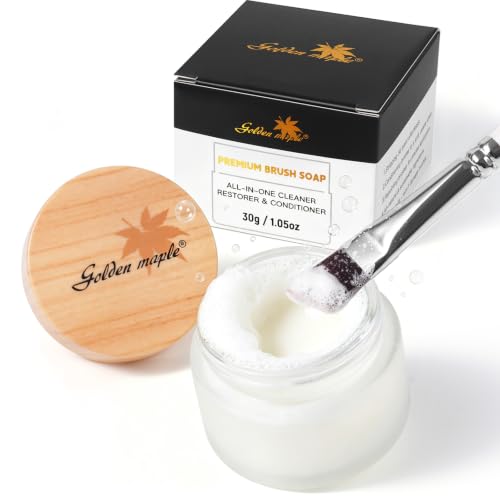
PROFESSIONAL BRUSH CARE SOLUTION: Specially formulated brush cleaning soap for artists. Helps effectively remove stubborn acrylic, oil, and watercolor paints while conditioning and preserving delicate bristles for extended brush life.

Easily removes dried oils, acrylics, watercolors and other artist paints
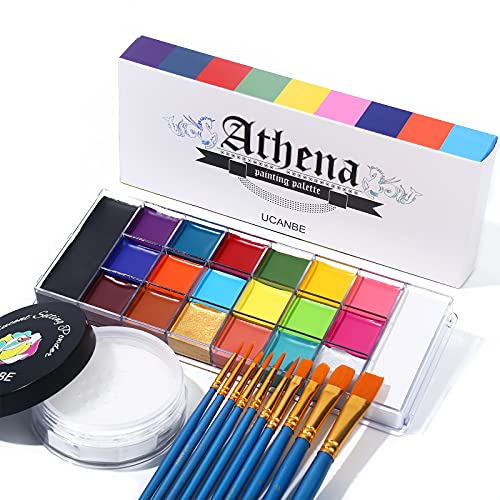
UCANBE Full Makeup Kit - This 3-piece set of oil face and body paint comes with a 20-color palette, a 30-gram box of setting powder and 10 makeup brushes. (The brushes come in the same box as the face paint palette and you have to take the box apart to see the brushes.) Ideal as a gift for your family, friends and yourself to create a fabulous face body makeup look.
Extending Brush Lifespan With Proper Maintenance
Ever notice how your paintbrushes don’t last as long as they should? It’s a real bummer when you invest time and money into quality brushes, only to see them wear out too quickly. The good news is that with a little TLC, you can keep them in great shape for years.
Start by giving your brushes a rinse after every 2-3 paint sessions. This helps stop the tips from drying out and getting all crusty. For cleaning, try this: use BB Frösch Brush Conditioning Soap. It’s gentle and keeps those bristles nice and flexible, ensuring they retain their shape.
Storage is just as important as cleaning. Laying your brushes flat or storing them tip down helps prevent water from pooling in the ferrule. Honestly, this simple step can save you a lot of headaches down the road by avoiding damage and decay.
It’s also a good idea to do regular check-ups on your brushes. Keep an eye out for loose bristles or any signs of wear on the ferrules. If you catch problems early, you can make repairs before it gets worse. Conditioning with soap will keep your brushes from feeling stiff and brittle, which is key for extending their lifespan and boosting your painting performance.
Using high-quality materials such as paintable wood fillers that ensure smooth finishes can also make your brush maintenance easier and more effective.
At the end of the day, taking care of your brushes doesn’t have to be a chore. Just a few thoughtful steps can lead to impressive results. So, are you ready to step up your brush maintenance game?
Frequently Asked Questions
How to Keep Paintbrush Bristles Straight?
To keep paintbrush bristles straight, we should follow bristle maintenance tips like proper cleaning techniques immediately after use, and guarantee we use brush storage solutions that prevent bending, like storing them horizontally or bristles down.
How to Make Hair Brush Bristles Straight?
To make hair brush bristles straight, we’ve found that effective bristle alignment techniques and proper brush storage solutions make a difference. Let’s remember to inspect regularly, applying maintenance tips to keep our brushes looking their best!
How to Straighten Cleaning Brush Bristles?
To straighten cleaning brush bristles, we can soak the brush in warm water, reshape using our fingers, and apply hair gel for stubborn bristles. Regular bristle maintenance tips and cleaning techniques help guarantee proper alignment.
How to Prevent Bristles From Clumping?
To prevent bristles from clumping, we should always store brushes upright in a bottle, guarantee thorough bristle cleaning after use, and consider using paint thinner for stubborn residue. Regular maintenance keeps them in great shape!


