As an Amazon Associate, we earn from qualifying purchases. Some links on this site are affiliate links at no extra cost to you. Our recommendations are based on thorough research and editorial judgment.


How to Prevent Brush Marks: Paint Load, Pressure, and Brush Choice

Ever get frustrated with those pesky brush marks when painting? It’s a common issue, but you can easily tackle it by focusing on a few key areas: paint loading, brush selection, and pressure control.
You may be interested


First off, grab yourself a good 2–2.5 inch synthetic brush if you’re working with water-based paints. Just remember, you only want to dip about a third of the bristles in paint. This helps avoid excess paint from gushing out and ruining your smooth strokes.
Try to keep your pressure light and even while making long, sweeping motions. Another handy tip is to work in smaller sections. This helps you maintain a wet edge, which is crucial for a flawless finish.
Think about it: if you let the paint dry too much in one area before moving on, you risk those ugly overlap lines. So, why does this matter? Because no one wants to spend time painting only to end up with a less-than-perfect look.
Here’s the trick: after you’ve applied paint to a section, gently brush over it again to even things out. Keep an eye on the paint’s flow and adjust your pressure as needed.
Frankly, getting a smooth finish takes a little patience, but it’ll pay off big time in the end. Keeping these practices in mind can really up your painting game. What’s your go-to technique for avoiding those brush marks?
Key Takeaways
- Select high-quality brushes with soft, flexible bristles to enhance control and reduce streaks during application.
- Properly load the brush by dipping it one third of the way up the bristles to prevent excessive paint.
- Apply light and steady pressure while painting to achieve an even coat and avoid messy lines.
- Use long, smooth strokes and maintain a 45° angle to ensure fluid motions and minimize unwanted strokes.
- Work in manageable sections and overlap brush strokes to blend and prevent lap marks from forming.
Understanding Brush Marks and How to Avoid Them

Brush marks can really ruin a painting project, can’t they? Nothing feels worse than working hard on a fresh coat of paint only to see those unsightly lines staring back at you. So, how do you avoid this common pitfall? Let’s dive into some simple strategies that’ll help you get that smooth, professional finish you’re after.
Start with surface prep—this step is crucial! Make sure to patch, sand, and clean your walls thoroughly before you even think about reaching for that paintbrush. A clean, even surface makes a big difference. When it comes to tools, you’re gonna want to choose the right brushes for the job. For water-based paints, pick synthetic brushes; they work best. If you’re using oil-based finishes, natural bristle brushes will do the trick. Remember, the type of paint you use also matters, especially its viscosity; paint that’s too thick can lead to a patchy look, and nobody wants that.
Here’s the trick: when you paint, use gentle pressure. Applying too much force can cause those inconsistent strokes that lead to brush marks. Instead, try to keep an even hand and let the brush do its work. Also, it’s important to maintain a wet edge. If you work in small sections and overlap your strokes, you’re likely to avoid any harsh lines. Combining these techniques makes a world of difference in your overall look.
So, why does this matter? Because a professional finish can take a DIY project from basic to stunning in a heartbeat. Truth is, the more care you put into prep and technique, the better your paint job will look.
To sum it up, focus on prepping your surface well, choose the right tools and paint, use gentle pressure, and keep that wet edge. Additionally, using high-quality materials like shed-resistant microfiber brushes can help achieve a smoother finish and better paint retention. Have you faced any painting challenges lately? It might be time to give these tips a shot!
How to Load Your Brush for a Smooth Finish

Have you ever looked at your freshly painted wall and noticed those pesky brush marks? It can be frustrating, especially after all that hard work! The key to a smooth finish lies in how you load your brush before you even pick up that paint can.
To start, dip your paint brush into the paint about a third of the way up the bristles. This gives you just the right amount of paint without causing a mess with drips. After that, you’ll want to tap the brush against the side of the paint can to get rid of any extra. This little step is crucial for even coverage and avoiding heavy patches.
Here’s the trick: before you get to painting, swirl the brush back and forth gently. This helps ensure every bristle is evenly coated. Remember, loading too much paint can lead to those frustrating brush marks.
So, what kind of brush should you use? Honestly, synthetic brushes work best with water-based paints. They help you load paint more efficiently and give you better control while painting.
Choosing the right bristle material can significantly impact your finish quality and paint application.
In short, loading your brush properly is all about taking a few extra moments to get it right. Next time you’re ready to dive into a DIY project, try these tips for a smoother finish. What painting projects have you tackled, and how did they turn out?
Recommended Products
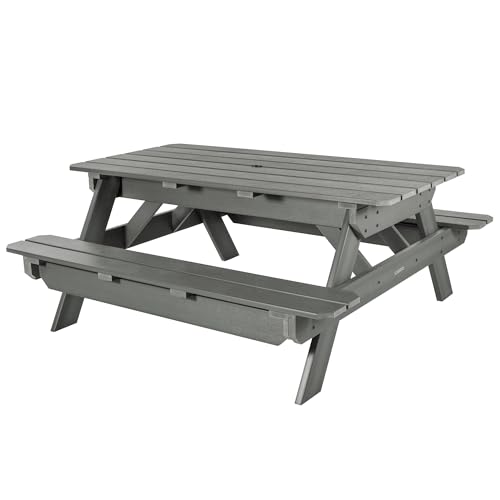
100% MADE IN THE USA – the Hometown picnic table is made in America and backed by US customer service and support; and it has a 12-year residential limited warranty/5-year limited commercial warranty

PERFECT FOR YOUR PATIO: This 48” diameter dining table coordinates with any of highwood’s dining height chairs. Your guests will love the smooth design and our material resists fading from the sun. And with the 2-inch umbrella hole in the middle of the table, which fits most outdoor umbrellas, you can enjoy the outdoor scenery regardless of weather. (Umbrella not included).

100% MADE IN THE USA - backed by US customer service and support
Choose the Right Brush for Your Project
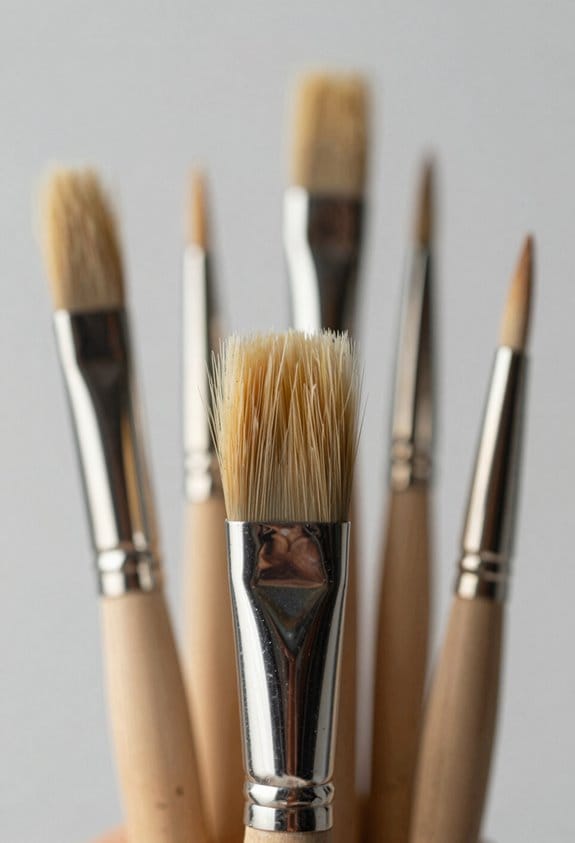
Choosing the right paintbrush can feel like a small detail, but it really makes a big difference in your project’s outcome. For instance, if you’re working with water-based paints, grab a 2–2.5 inch synthetic brush. This size helps with coverage and cuts down on those pesky brush marks that can ruin your finish. On the flip side, if oil-based finishes are your thing, natural bristle brushes are the way to go. They provide a smooth application that just can’t be beat.
One thing I’ve noticed is that quality brushes with soft, flexible bristles give you better control over your paint. They help reduce the chances of streaks and unsightly marks, which is a win in my book. Don’t forget about bristle length, either! Longer bristles are perfect for larger surfaces; they enable smoother strokes and help achieve a polished look.
Comfort’s key too. A well-designed handle can make all the difference, especially when you’re working on a bigger project. It enhances your control and can keep fatigue at bay. So, why does this matter? Because those little touches can elevate your painting game!
Before you dive into your next painting session, take a moment to consider your tools. The right brush can turn a good project into a great one. For example, selecting a brush with the appropriate bristle material can significantly influence the paint distribution and finish quality. So, are you ready to get those perfect brush strokes?
Recommended Products

Synthetic blend for all paints, latex and oil-based

SMOOTH APPLICATION: This angled paint brush delivers a flawless finish on walls, furniture, and trim, using a specially formulated nylon polyester paint brush blend for even, streak-free coats.

Genuine Wooster replacement part.
Control Your Brush Strokes for Optimal Pressure
Are you tired of those pesky brush marks ruining your paint job? You’re not alone! Getting that perfect finish isn’t just about the paint; it’s all about how you handle your brush.
To start, try holding your brush at a 45° angle. This little tip can make a big difference in minimizing those unwanted brush strokes. When applying paint, keep your pressure light and steady. Think of it as a gentle hug rather than a strong shove. It helps ensure an even coat, which is what you’re after!
Here’s a common pitfall: rushing through your strokes. When you’re painting in a hurry, you might press down too hard, and that can lead to streaks that are hard to cover up. Instead, focus on making long, smooth strokes. Seriously, it’s all about those fluid motions that let the paint glide on without creating a mess.
So, why does this matter? Well, controlling your brush pressure can take your painting from blah to beautiful. Many pro painters will tell you that knowing how to handle your brush is just as crucial as choosing the right colors.
Truth is, honing your brush control skills just takes practice. The more you paint, the better you’ll understand how pressure changes your finish. Remember, even the experts started somewhere.
For larger projects or when aiming for an ultra-smooth finish, consider using adjustable spray patterns to minimize brush marks and enhance coverage.
Recommended Products

The RotoFlex pump is a rugged pump with a unique flow-through design; delivers smooth material flow for uniform coverage & consistent spray pattern


Pressure-Boosted hopper gun is pressurized for increased material flow and unmatched productivity
Techniques for Maintaining a Wet Edge While Painting
Maintaining a wet edge while painting can feel tricky, right? But getting that smooth, professional finish is totally achievable with a few simple techniques.
First off, work in sections no larger than 3×3 feet. This is key to finishing each area before the paint dries. As you move on to the next section, overlap your brush strokes into the previously painted area just a bit. This helps you avoid those pesky visible lines and marks.
Now, let’s talk about timing. Don’t forget that humidity and temperature really impact how fast paint dries. If it’s super humid, for example, you might have a little more leeway, but on a hot day, those sections can dry quickly. Adjust how fast you work based on these factors.
Here’s the trick: when you’re painting, keep your brush on the surface as much as possible. Lifting it off can lead to inconsistent color and texture. By continuously moving toward the edge of your last section, you’ll blend fresh paint into what you’ve already done without any awkward gaps or marks.
So, why does this matter? It’s all about creating a seamless look that really stands out. If you’re diligent about this technique, your final result will look so much more polished.
Additionally, using paintable caulks with quick cure times can ensure that filled gaps blend smoothly into painted surfaces for a flawless finish, especially when working with acrylic options that are paintable in 2 hours.
Why Paint Consistency Is Key to Avoiding Brush Marks
Ever find yourself frustrated with brush marks when painting? You’re not alone. One of the biggest factors in achieving a smooth finish is understanding paint consistency.
Aim for a medium thickness with your paints. This goldilocks zone not only helps with leveling but also cuts down on those pesky visible strokes. If your paint’s too thick, you might end up with uneven application, and if it’s too thin, it won’t cover well at all. So, what’s the secret? For water-based paints, try adding a conditioner. It can really help improve flow and give you a smoother application, minimizing those marks you want to avoid.
Don’t forget to stir your paint before you start! This step ensures the pigments are evenly distributed, which is crucial for keeping that ideal paint consistency. Trust me, taking a moment to do this can make a real difference in your final result.
In the end, small adjustments can lead to a much better painting experience. Ever thought about how much smoother your projects could go with just a few tweaks? So, take the time to get this right—it’ll definitely pay off when you see that perfect finish. What tricks have you tried for a flawless look?
Also, using the right tools and techniques, such as selecting the appropriate brush choice and applying the correct pressure, is essential to achieving that smooth, mark-free finish.
Recommended Products
Formulated to increase wood’s durability and enhance its resistance to weathering and aging.

MARINE SEALANT: Our liquid formula creates a UV-stable coating for protection against the elements, saltwater spray, and water damage. Marine is a protector for outdoor decks, thermally modified wood, and boat docks. Marine is safe for use over open water and is non-hazardous to aquatic life. ** This product is NOT intended for hardwoods such as ipe, mahogany and teak. **

CLEAR SEALANT: Our water-based sealer provides top-notch protection against wear and tear in high traffic areas. It's odorless and suitable for use on wood siding, log homes, swing sets, outdoor furniture, wooden decks and fences, and more
How to Touch Up Paint Without Leaving Brush Marks
Ever tried to touch up paint on your walls only to end up with those pesky brush marks? It can be super frustrating! You want your home to look its best, and achieving a seamless touch-up is totally doable with just a bit of know-how.
First things first, make sure your touch-up paint matches the sheen and color of your original paint perfectly. It’s crucial! Using the same type of brush you used before can make a big difference too. When you start painting, remember to keep a light touch; this helps avoid overloading the brush and getting drips.
Try using small, controlled strokes that overlap the original edges. This technique helps blend the new paint into the old, so you don’t end up with any harsh lines or obvious spots. After painting, patience is key. Let the area dry completely before checking for any imperfections or needing to add another coat. The goal is a uniform finish!
Honestly, if you notice rough spots or the paint isn’t sticking well, lightly sanding the touch-up area first can improve how the paint adheres. It’s an extra step, but trust me, it’ll pay off.
Additionally, choosing a brush with high-absorption bristles can minimize streaks and ensure a smoother application.
Recommended Products

𝗛𝗜𝗚𝗛 𝗣𝗨𝗥𝗜𝗧𝗬 𝗡𝗔𝗧𝗨𝗥𝗔𝗟 𝗦𝗢𝗟𝗩𝗘𝗡𝗧: Chemfulfill Turpentine is distilled to high purity, making it ideal for dissolving resins, waxes, and oils. It’s a go-to solution for industrial and DIY projects, ensuring efficient results with every use.

Sophisticated Technique: This range hood uses multi-dimensional noise reduction technology, equipped with a high standard of 600 CFM strong suction and low level noise (max65db), in addition to the product's 3-speed adjustment technology, you can switch between low, medium and high fan speeds according to different cooking requirements. While bringing a quiet experience to people, it can easily and efficiently remove fumes and odors from the kitchen air to protect your health.

[CERTIFICATION AND DIMENSION SIZE] : 165 Inch Projector Screen Diagonal, 16:9 Aspect Ratio. View Size: 81.0" H x 144.0" W. Overall Size: 85.6" H x 148.5" W x 1.6" D. ISF Certified for accurate color reproduction. Enjoy close-to-reality colorful presentations on Elite Screens.
Common Mistakes When Painting That Lead to Brush Marks
Have you ever put hours into painting a room, only to step back and see a mess of brush marks? It’s frustrating, right? A lot of that can come down to some surprisingly common mistakes that many of us make.
First on the list is surface preparation. Seriously, don’t skip this step! Sanding and cleaning your surfaces isn’t just a chore; it’s crucial for better paint adhesion. If the surface isn’t prepped, you’re basically setting yourself up for uneven results before you even start.
Then there’s the brush choice. Are you using the right one? If you’re applying oil-based paint, synthetic brushes can really mess with your application. It’s worth considering natural bristle brushes, especially for those paint types.
Now, let’s talk about paint load. Overloading your brush is a surefire way to create drips and brush marks. Instead, lightly dip your brush into the paint. It’s all about finding the right amount that still lets you work efficiently.
Maintaining a wet edge is another critical factor. You know those annoying lap marks that show up when paint layers dry unevenly? Keeping a wet edge while you work can help you avoid those completely. Just keep brushing next to the last stroke you made, and it’ll blend much better.
Finally, it’s essential to remember that pushing down too hard with your brush can ruin your finish. Excessive pressure can distort your paint application and leave visible lines everywhere. A lighter touch often yields a smoother finish.
Using the correct paint thinner compatibility for your paint type also helps maintain a smooth, mark-free finish by ensuring proper paint flow and drying time.
Frequently Asked Questions
How to Stop Getting Brush Marks When Painting?
To stop brush marks, we’ve got to use ideal brush techniques. By mastering brush application speed, utilizing surface preparation tips, and choosing the right paint, we’ll achieve that smooth finish we all desire.
What Kind of Paint Brush Doesn’t Leave Brush Marks?
To avoid brush marks, we should use high-quality synthetic brushes for water-based paints and natural bristles for oil finishes. Foam rollers can also help, but brush care and technique matter just as much for flawless results.
What Paint Additive Reduces Brush Marks?
We should consider using paint additives like Floetrol or Penetrol. They help improve surface preparation by enhancing drying time and application techniques, resulting in smoother finishes and minimizing brush marks across various finish types.
What Are the Causes of Brush Marks?
We’ve all seen those unsightly brush marks. Improper surface preparation, wrong paint viscosity, careless brush technique, drying time miscalculations, and climate effects can all lead to frustrating results. Let’s guarantee we avoid those issues together!


