As an Amazon Associate, we earn from qualifying purchases. Some links on this site are affiliate links at no extra cost to you. Our recommendations are based on thorough research and editorial judgment.


Dried Paint Removal From Tools: What Works Without Damaging Them

Got a bunch of dried paint stuck on your tools? It can be frustrating, especially when you’re ready to dive into your next project. Luckily, there are some straightforward ways to tackle this without ruining your equipment.
You may be interested


Try this: soak your tools in warm, soapy water for about 15 minutes. It’s a simple step that often works wonders. For those more stubborn spots that just won’t budge, mineral spirits or a paint stripper can come to the rescue—just make sure you’re in a well-ventilated space.
And always test any harsh chemicals on a small area first to see if they’re safe for your tools.
Here’s the trick: once you’ve let them soak and applied your chosen cleaning agent, use a stiff brush or a non-sharp scraper to gently scrub away the paint. You don’t want to go too hard, as you could damage the tool’s finish or functionality.
Keeping your tools clean doesn’t just make them last longer; it helps your projects go a lot smoother.
So, why does this matter? Well, when your tools are in good shape, you save time and effort in the long run. Plus, who wants to spend hours dealing with a messy brush when a little care could keep things tidy?
Remember, proper maintenance can extend the lifespan of your tools, helping you tackle more projects down the line. Keep experimenting with these methods and find what works best.
Have you tried any other methods for removing dried paint?
Key Takeaways
- Soak tools in warm, soapy water for 15 minutes to loosen dried paint without damaging surfaces.
- Use mineral spirits or odorless paint thinner for tough residues in a well-ventilated area.
- Scrub lightly with a stiff brush or gray Scotch Brite pads to remove remaining paint without scratching tools.
- Employ non-sharp tools like putty knives for gentle scraping of stubborn spots without causing damage.
- Test chemical solutions on a small area first to ensure compatibility with tool materials before full application.
The Importance of Regular Tool Maintenance
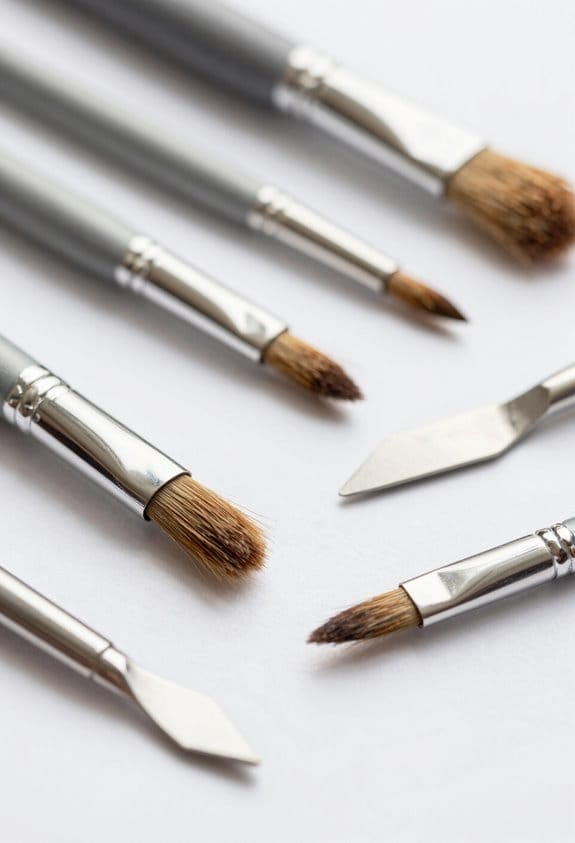
Have you ever started a painting project only to find your brushes and rollers are caked with dried paint? It’s a frustrating experience, right? Regular tool maintenance is something many of us overlook, but it can make a huge difference in how those projects turn out. Keeping your tools clean not only extends their lifespan but also makes the job much smoother.
Here’s the trick: to prevent the buildup of that stubborn paint, establish a habit of cleaning your tools after every project. Try soaking them in warm, soapy water right away. It really cuts down on the time you might spend scraping later. Just imagine how much easier that would make things!
It’s also helpful to invest in tools that are designed for easy cleanup. They might cost a little more upfront, but you’ll find that the extra convenience pays off in the long run. And don’t underestimate the power of community advice; chatting with fellow DIY enthusiasts can introduce you to maintenance tips you may not have considered before.
So, why does this matter? Tools that are well-maintained work better and last longer, saving you money over time. Honestly, nobody wants to deal with the hassle of replacing tools every few months just because they’re not cared for properly. Using the right paint trays with features like easy cleaning and durable materials can also simplify maintenance and reduce paint waste.
How to Tackle Stubborn Dried Paint on Tools?

Tackling stubborn dried paint on tools can feel like a real hassle, right? But there are some straightforward ways to get those tools looking fresh again. Start by soaking your tools in warm, soapy water for about 15 minutes. This simple step helps to loosen the paint, making it easier to remove.
If the paint’s still being stubborn, here’s the trick: try using a chemical stripper or paint remover. Just apply it generously and then grab a stiff brush to scrub away the remnants. You’d be surprised how much this can help clear things up. For those really tough spots, mineral spirits aren’t just good for cleaning brushes anymore—they can actually dissolve the paint and make it easier to scrape off.
Now, I get it, rubbing alcohol can be tempting, but be cautious with it. It can work well for some situations, but it might damage certain tools, so it’s better to use it sparingly.
Regularly cleaning your tools is key to keeping them in good shape. So, why not make it a habit? A little effort now can lead to better performance down the road. Remember, keeping your tools clean isn’t just about looks; it ensures they work well when you need them.
In short, a little soaking, scrubbing, and caution with chemicals can go a long way. Also, using eco-friendly primer sealers can reduce the buildup of stubborn paint on your tools, making future cleanups easier.
When was the last time you powered through a paint-removal challenge? You can do it!
Best Soaking Practices for Your Tools

Finding the best soaking practices for your tools can make a world of difference when it comes to removing paint. If you’ve ever struggled with dried-on paint, you’re not alone! So, where do you start? A simple soak in warm, soapy water mixed with dish soap for about 15 minutes is a great first step. It loosens up the paint without causing any harm to the tools.
Now, if that doesn’t cut it, you might want to reach for paint thinner. Just remember to do this in a well-ventilated area and let those tools sit for several hours. For the really stubborn stuff, try this: immerse your tools in a slow cooker with warm water and dish soap. You can let them soak for one to two days, and you’ll be amazed at how much easier things will get.
But here’s a little trick that might surprise you—hand sanitizer works too! Just soak your tools in it to help remove paint residues. Keep in mind, though, that rubbing alcohol isn’t safe for all tool materials, so be sure to check before diving in.
In short, whether you go for the classic soapy water or opt for something a bit stronger, taking the time to soak your tools is worth it. When dealing with heavy paint layers, consider using specialized paint removers with non-toxic formulas to protect your tools and your health.
So, what’s your go-to method for tackling the challenge of paint removal?
Chemical Solutions: What Works Best for Paint Removal?
Removing dried paint from tools can be a frustrating task, right? But the good news is that chemical solutions can make this process a lot easier. A solid paint stripper can effectively strip away those stubborn layers, but make sure to follow the manufacturer’s instructions closely to avoid damaging your tools.
For a gentler approach, mineral spirits can be a lifesaver. It safely dissolves or softens paint, which makes it much easier to scrape off. You might find that this is all you need to get your tools back in shape without too much hassle.
When it comes to stronger options like lacquer thinner or acetone, here’s the trick: always test it on a small section first. You want to ensure it won’t harm the surface you’re working on. And don’t forget the protective gear! A good pair of gloves and a mask goes a long way in keeping you safe from those harmful fumes.
For indoor use, consider opting for odorless mineral spirits to minimize exposure to strong fumes while effectively cleaning your tools.
Applying Chemical Solutions Safely?
Got dried paint on your tools? It can be super frustrating, but safety should always come first. Start with ventilation—crack those windows open or set up a fan to keep the air moving.
When dealing with strong chemicals like paint strippers, protective gear is a must. Slip on some gloves and goggles before you even think about picking up that container. If you’re worried about ruining your tools, here’s the trick: Test the chemical on a small, hidden area first. That way, you can check for any adverse reactions with minimal risk.
As you tackle that paint, make sure to follow the instructions on the product closely. Pay special attention to application times—they’re there for a reason! Once the paint is gone, don’t skimp on the cleanup. Rinse your tools with water or use a neutralizing agent to make sure there’s no residue left behind. Using mineral spirits with a high flashpoint can help reduce safety risks during cleanup.
Mechanical Methods for Effective Paint Removal
Got dried paint on your tools? Yeah, we’ve all been there, and it’s a real hassle. But mechanical methods can be surprisingly effective and often simpler than you might think.
For those stubborn spots, give a media blaster filled with baking soda a try. It’s a gentle option that won’t harm your tools. Start by soaking them in water first to loosen that paint up a bit. If some layers are still hanging on, an electric sander can really speed things up, but just be careful not to overdo it.
After soaking, grab some gray Scotch Brite pads to scrub off any leftover paint; they work wonders. If you’re still seeing some stubborn spots, you can gently scrape with a non-sharp tool like a putty knife to avoid any scratches. And don’t overlook steam cleaning; it’s a fantastic choice since it’s both chemical-free and helps clear out those unpleasant smells that come with stronger solvents.
Truth is, using mechanical methods doesn’t have to be messy or unreliable. Just keep these tips in mind the next time you’re faced with dried paint challenges. Have you tried any of these methods before? Using proper abrasion-resistant materials on your tools can help them withstand cleaning methods better and last longer.
Real User Success Stories on Paint Removal Techniques
We’ve all been there—dried paint on tools can feel like a real nightmare. But it’s good to know that plenty of people have tackled this frustration with some success. For example, soaking tools in warm, soapy water for about 15 minutes often helps loosen that stubborn paint. Many users have shared their relief at how effective this simple method can be without harming the tools.
Some folks swear by using rubbing alcohol, but let’s be honest—while it works, you need to be cautious. You don’t want to risk damaging your tools in the process. On another note, one unique method I’ve heard about involves using a slow cooker, combining water and dish soap. It may sound a bit unconventional, but leaving those tools submerged for two days has led to remarkable results for many.
Another tip that’s worth considering is soaking tools in paint thinner. After that, gently rubbing with a cloth or scraper usually yields great outcomes. Honestly, it’s all about quick cleaning to extend the life of your tools and keep paint from hardening on them. Using a methylene chloride-free paint stripper can be a safer alternative for removing dried paint without harming your tools.
How Clean Tools Make Painting Easier and More Fun
Clean tools are a must if you want your paint jobs to look smooth and professional. It’s simple: when you take a little time to clean your brushes and rollers, those pesky clumps in your paint really do disappear. This helps you create those lovely, even strokes that make your work shine. And let’s be real—no one wants to be fighting with their tools while trying to enjoy the creative process.
Ever thought about how dirty tools can mess with your next project? Regular maintenance keeps things fresh, which means you can apply new paint without worrying about leftovers from your last endeavor. A quick soak in the right solvent often works wonders, and there are plenty of tips out there from fellow painters to help you find the best techniques.
Preparation can sometimes feel like a chore, but keeping your tools clean cuts down on that time. You can dive into your painting projects with less hassle and more excitement. Here’s the trick: instead of waiting until the end of your session to clean up, do a quick rinse as you go. It’s easier, and you stay in the creative zone longer.
So, why does this matter? Clean tools really boost your confidence. When you know your brushes are ready to go, you can focus on your art rather than fretting about potential mistakes.
Choosing the right biodegradable cleaner not only protects your tools but also helps reduce environmental impact.
To wrap it up, taking care of your painting tools not only makes the painting process smoother but also swells your creative spirit. What painting project are you looking forward to tackling next?
Frequently Asked Questions
How to Clean Dried Paint off Tools?
When we tackled a paint-stained roller frame, we used paint scraper techniques and effective cleaning agents like warm soapy water. Our eco-friendly solutions guaranteed tool preservation, while maintenance tips helped prevent future paint issues.
How to Remove Paint From Metal Without Damaging It?
To remove paint from metal without damaging it, we can explore eco-friendly paint stripper options, use safe removal methods, and follow solvent safety tips to tackle paint adhesion issues across various metal tool types effectively.
Does WD-40 Remove Dried Paint?
Yes, we find WD-40 effective for paint removal. It’s a useful DIY solution compared to other solvents. For best practices, we should combine it with tool maintenance tips for efficient and safe results.
What Dissolves Dried Paint?
Isn’t it surprising how many solutions exist? We can use eco-friendly options like warm, soapy water or safe paint removers, along with solvents for cleaning tools, keeping our best paint brushes in top shape!


