As an Amazon Associate, we earn from qualifying purchases. Some links on this site are affiliate links at no extra cost to you. Our recommendations are based on thorough research and editorial judgment.


How to Keep a Clean Worksite: Daily Reset Checklist for Multi-Day Projects

Ever show up to a job site and feel overwhelmed by the mess from the day before? You’re not alone. Keeping a clean worksite isn’t just about aesthetics; it’s essential for safety and productivity. So, let’s talk about a daily reset checklist that can really make a difference.
You may be interested


Start off by clearing away debris and making sure all tools are returned to their designated spots. When the space is tidy, you can focus better. After that, take a moment to review what you accomplished yesterday. What worked well? What didn’t? As you map out today’s goals, try breaking down larger tasks into smaller, manageable checklists. It makes everything feel more achievable.
Now, don’t forget about those walkways. Confirm they’re clear to prevent any tripping hazards. No one wants to deal with an injury because someone left a tool in the way.
Looking at waste management, use bins to keep things organized. Having separate zones for trash and recycling can save you loads of time when clean-up comes around.
Finally, before jumping into your tasks, do a quick inspection of your area for safety concerns. Are there any potential hazards you might have missed? Honestly, a few minutes spent checking can keep you safe and focused.
Remember, these steps set the tone for a productive day. The next time you’re tackling a multi-day project, give this checklist a try. It might just change how you view your worksite.
So, how do you keep your area clean and safe?
Key Takeaways
- Implement a daily reset checklist to organize tools, materials, and hazardous clutter at the end of each workday.
- Conduct daily inventory checks to ensure all essential tools and supplies are readily available for efficient project workflow.
- Foster a team effort by assigning specific cleanup responsibilities and holding regular meetings to review cleanliness protocols.
- Designate specific storage zones for tools and materials to improve organization and accessibility while reducing potential hazards.
- Encourage a “clean as you go” mindset and integrate regular inspections to maintain safety and tidiness throughout the project duration.
Why a Daily Reset Is Vital for Worksites

Have you ever left work at the end of the day only to come back feeling overwhelmed? It’s a common problem, but setting up a daily reset routine can make a world of difference. You’re not just cleaning up; you’re putting systems in place that help improve productivity and safety at the site.
By spending a little time each day on this reset, you can clear away clutter and distractions. This way, everyone can dive back into multi-day projects with a fresh mindset. Plus, it gives you a chance to tackle any unfinished tasks before clocking out. You’ll find that a clear workspace helps keep things organized and on track.
Maintaining a clean environment is also key for safety. It reduces hazards from debris, making the site safer for everyone involved.
So, what’s the trick to making this work? Here’s what I’ve learned: consistency is key. Make the daily reset a habit; it nurtures accountability and fosters collaboration among the team. When everyone pitches in and shares the responsibility, morale rises and projects run more smoothly.
In fact, using quality tools for application can also enhance efficiency and help maintain cleanliness on site.
In the end, setting up a simple daily reset routine can transform your work experience. Have you tried something like this before? If not, why not give it a shot this week?
Essential Steps for Daily Reset on Worksites

A cluttered worksite can really throw off your vibe for the day. Think about it: when you walk onto a job site and it’s messy, it can make tackling your tasks feel like a mountain to climb. To kick things off right, start by clearing away any junk. Make sure tools and materials are in their designated spots. You’ll be surprised how much this simple step helps everyone stay focused.
Take a minute to review what you accomplished yesterday. Did you finish everything you planned? If not, make a list of what’s still pending and set some clear goals for the day. This practice keeps everyone on track and boosts motivation. Feel like you’ve got too much on your plate? Try breaking it down with a checklist to keep your day flowing smoothly.
Here’s the trick: don’t forget to set aside some time for breaks. Seriously! Those mini-mental resets can do wonders for your energy levels and overall productivity. Maybe set a timer for focused work and then take a short breather. It makes a big difference in keeping your mind sharp throughout the day.
At the end of the day, take a good look around the site. Walk through to spot any messes and confirm tools are where they belong. Clearing hazards not only promotes safety but also sets you up for a smoother start the next morning. Using durable cleaning tools like stiff bristle brushes can make the cleanup process more efficient and effective.
Recommended Products

MULTI PURPOSE USE: Tires, car, truck, grills, spokes, bumpers, wheel well, concrete, decks, house, pots

Set includes: Large Brush and Small Brush with Wiper Blade

【8-Piece Cleaning Brush Set for Every Hard-to-Reach Spot】 Finally clean the places other tools miss. This versatile 8-piece cleaning brush set includes 3 crevice brushes for grout lines, shower door tracks, window tracks, and corners, 2 right-angle scrub brushes for bottles, cups, and narrow interiors, plus 3 wire brushes (brass, steel, nylon) for rust removal, polishing, and detailed scrubbing. A complete cleaning tool set for kitchen, bathroom, and household deep cleaning.
How to Clear Work Areas for Increased Safety?

Have you ever walked onto a worksite and felt like it was a total mess? It can be overwhelming, not to mention dangerous. To boost safety at your job, one of the best things you can do is keep work areas clear of tools, materials, and debris.
Designate specific spots for storage so everything has its own place. This simple step can cut down on clutter significantly. Make it a habit to reset your area at the end of each workday. It might feel like an extra chore, but a clean space makes it a lot easier to dive into the next day’s tasks, especially when you’re handling projects that stretch over multiple days.
Try this: adopt a “clean as you go” mindset. Tidy up right after finishing a task. It not only helps you stay organized but also reduces the chance of accidents. So, why does this matter? Because a safer environment leads to a more efficient one.
Another key part of maintaining safety is conducting regular inspections. Everyone on the team can play a role in spotting potential risks. Here’s the trick: make it a team effort. When everyone is looking out for each other, you create a stronger safety culture where accountability thrives.
Truth is, these steps don’t just tidy up your worksite—they also keep everyone safe and focused. At the end of the day, it’s about creating an environment where you can work without added worries about hazards. Just like using ergonomic tools reduces fatigue in makeup application, applying ergonomic principles to your equipment and workspace can enhance comfort and efficiency on site.
Daily Reassessment and Restocking of Supplies
Managing a clean worksite is crucial for safety, but here’s the kicker: having the right supplies and equipment is just as vital. Nobody wants to face downtime because you’re missing something you need. So, how can you keep everything in check?
Start your day with a solid inventory check. Make a habit of going through your essential tools and materials to ensure nothing’s missing. It’s a simple yet essential step. You’ll thank yourself when you avoid a frustrating delay because something isn’t where it should be.
Next up, don’t forget about daily health and safety checks. It’s not just box-checking; it’s about catching potential hazards before they become problems. Plus, make sure your team members are geared up with their personal protective equipment. Safety first, right?
At the end of each day, take a moment to replenish consumables like safety gear and cleaning supplies. Keep a central log of any shortages – trust me, it makes restocking easier and keeps everyone on the same page.
During team meetings, openly communicate your supply levels and what you might need for the next day’s tasks. It saves time and helps ensure a smooth workflow.
Also, consider using an air scrubber to maintain clean air quality on-site, especially during construction or renovation projects where airborne particles can pose health risks.
Recommended Products

3-stage Filtration: This air scrubber features a three-stage filtration system consisting of a pre-filter (MERV-10), carbon filter, and H13 HEPA filter. It effectively clears dust, pollen, smoke, and odors, while also capturing 99.97% of particles as small as 0.3 microns. This results in quick improvements to indoor air quality and a more pleasant living environment.

POWERFUL AIR PURIFIER - BlueDri's Air Shield 550 HEPA Air Scrubber delivers at least 40% more CFM than leading competitors in the category. It removes harmful airborne particles including smoke, pet dander, pollen, saw dust, and other miscellaneous debris.
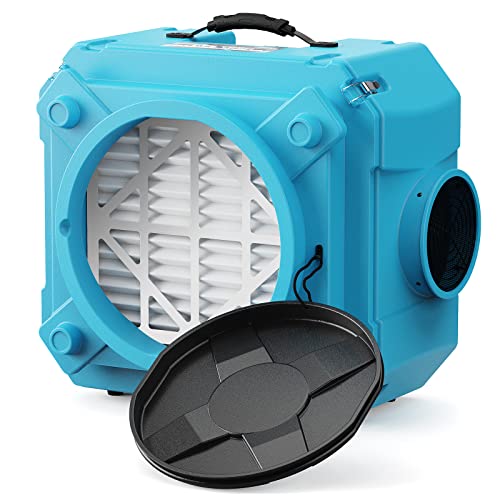
Receive 2-Pack MERV-10 Filter for HEPA 550 air scrubber + all promo items [Multilevel Filtration]: This ALORAIR air scrubber has a 3-stage filtration system. It is equipped with a MERV-10 filter that can capture large particles and a carbon filter that can eliminate smoke and pet odor, a HEPA filter that can trap 99.97% of particles of larger than 0.3 microns. The unit size is very suitable for home repairs and construction sites, sewage repairs, water and fire repairs, salons and printing shops, etc.
Designating Zones for Storage and Waste Management
Does your worksite feel more chaotic than productive? Organizing your space can start with simple steps like designating clear zones for storage and waste management. This not only reduces clutter but can really help boost your productivity.
Try this: create specific areas for tools and materials. It’s all about making things easily accessible. When every tool has a designated spot—ideally marked with labels—you’ll spend less time hunting for what you need. Seriously, there’s nothing worse than wasting precious minutes searching for that one wrench or the right type of screws.
Now let’s talk trash—literally. Implement designated waste management zones. Set up bins for recycling, composting, and regular trash. This encourages everyone to toss things in the right spot and makes it super easy to keep your workspace clean. Plus, having clear boundaries between clean and dirty areas is important for safety. You don’t want to mix the two up—it can lead to potential hazards.
Regular checks on these zones are key. They help reinforce accountability, ensuring everyone adheres to cleanliness protocols. And honestly, who doesn’t love an organized and efficient worksite? Using durable, leak-proof buckets in waste management zones can enhance containment and reduce spills, contributing to a safer work environment.
Recommended Products

Quality: Our Large Labels For Storage Bins are made from synthetic paper and high-quality adhesive, offering durability and water/Oil/Tear Resistants with No Residue. Use our storage labels without worrying about losing them in your storage bins, containers, or buckets.
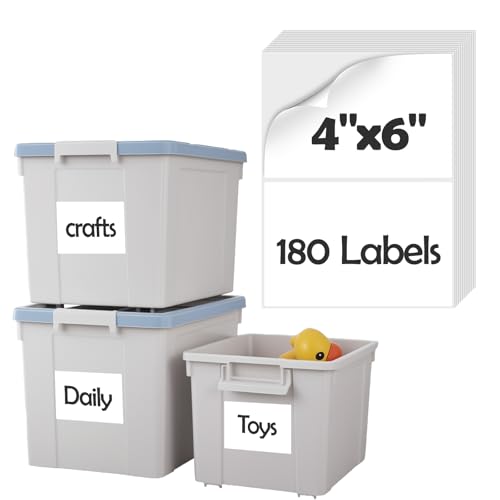
LARGE REMOVABLE LABELS –– 180 4"x6" White Matte Removable Labels provide ample space to write down the necessary information. 90 sheets, 2 labels per sheet

【EFFICIENT ORGANIZATION】- Meetory 50 pack basket label holders are designed to fit wire shelves, providing the perfect solution for organizing your wire shelf units. Easily display important information in a clear and simple way.(INCLUDES 50PCS 2.17" x 1.38" LABEL PAPER)
Foster Team Responsibility for Cleanliness
Have you ever walked onto a messy worksite and felt your motivation drop? It’s a common problem, and honestly, a clean work environment can really boost productivity. One way to tackle this is by getting everyone on the team involved in maintaining cleanliness.
Start by assigning specific spaces to each team member. When people take ownership of their own areas, it can spark a genuine sense of pride. Think about it—taking care of your own little corner means you’re contributing to a better workplace for everyone.
Try this: create a daily checklist for everyone to follow. Simple tasks like organizing tools or clearing away debris can make a big difference. You’ll be surprised how holding each other accountable can shift the atmosphere. And don’t forget to incorporate regular team meetings where you can go over cleanliness standards and expectations. It’s a great way to reinforce your collective commitment.
To keep everyone motivated, consider setting up some rewards or recognition programs. A little positive reinforcement can go a long way in encouraging team members to stay on top of their spaces. And, establishing clear guidelines is key. Set specific times during breaks for cleanup. It’ll help everyone stay on track and make cleaning a normal part of the day. Using durable and washable cotton canvas drop cloths can also protect the work area while making cleanup easier.
How to Keep Your Worksite Safe and Tidy?
How can you ensure your worksite stays safe and tidy? It’s easy to let things slide when you’re busy, but a messy environment can lead to accidents and costly delays. Prioritizing organization and cleanliness can make a world of difference.
Daily inspections are a must. Take a moment each day to check for hazards, like exposed wires or unstable structures. Addressing these issues right away can prevent serious accidents down the line. You’d be surprised how often small things get overlooked when everyone is in a rush.
Keeping walkways clear is crucial. Make sure there’s no debris, tools, or other materials cluttering these areas. Not only does this prevent tripping hazards, but it also keeps access points safe and easy to navigate.
Another trick? Create clearly marked storage areas for tools and materials. When everything has its place, you’ll find it easier to stay organized and grab what you need without the hassle.
Don’t underestimate waste management. Make disposal bins easy to find and use. Encourage everyone to pitch in and recycle whenever possible. A clean space not only looks better but helps maintain a more productive atmosphere too.
Finally, consider scheduling short clean-up sessions at the end of each day. This simple practice can reset your worksite and get it ready for the next day. You’ll appreciate stepping onto a clean slate when you arrive in the morning.
Using tools with material durability can reduce maintenance needs during multi-day projects, helping keep your workspace efficient and reliable.
Adapting Your Daily Reset for Different Project Phases
Ever felt like you’re drowning in chaos while trying to juggle the different phases of a project? You’re not alone. Keeping everything organized throughout the project lifecycle is crucial for success. When you’re in the early stages, start with a solid daily reset checklist to help organize your tools and materials. This simple practice can really cut down on the clutter and keep things running smoothly.
As you move along, don’t hesitate to adapt your checklist. Focus on things that are relevant to that specific phase. For instance, clearing out work areas and stowing away excess materials enhances safety and sets a better tone for productivity. Why not add a review section to your daily reset checklist? It’s a great way to assess what’s been done and what still needs your attention, making sure nothing slips through the cracks.
Setting aside specific time blocks for these resets makes it easier to build that all-important consistency into your workflow. You get into a rhythm, and everything just flows better. Team involvement can’t be overlooked here. Encouraging everyone on your team to pitch in with organizing and cleaning fosters a sense of accountability. A clean workspace not only looks better but feels better too.
To put it simply, keeping your project organized takes a little effort, but it pays off tenfold. Using adjustable stands with secure locking mechanisms can further enhance safety and organization during your work. So, how can you tweak your daily reset to fit the phase you’re in? Give it a try and watch how it transforms your project flow!
Frequently Asked Questions
What Is the 1/3/5 Rule for Tasks?
The 1/3/5 Rule for tasks is a task management strategy where we tackle 1 big task, 3 medium tasks, and 5 small tasks daily, enhancing our productivity and optimizing our workflow effectively.
How to Maintain a Daily To-Do List?
To maintain a daily to-do list, we’ll utilize digital task management tools for effective task tracking, prioritize with task organization methods, and regularly review our lists, ensuring we tackle what truly matters each day.
How Do You Prioritize Your Tasks When Working on Multiple Projects?
We prioritize tasks by using task delegation strategies, implementing effective time management techniques, and utilizing project coordination methods. This approach helps us stay organized and focused, ensuring we meet project deadlines efficiently while maintaining quality.
How to Create a Daily Checklist for Work?
Creating a daily checklist isn’t rocket science, but it might feel like it sometimes! Let’s embrace task management techniques and effective checklist strategies, boosting our daily productivity habits. We’ll conquer the workday together!


