As an Amazon Associate, we earn from qualifying purchases. Some links on this site are affiliate links at no extra cost to you. Our recommendations are based on thorough research and editorial judgment.


Dealing With Grease and Grime: Cleaning Methods That Don’t Ruin Adhesion

Got grease and grime ruining your surfaces? You’re not alone. It can be so frustrating when cleaning doesn’t seem to cut through the gunk, especially when you’re trying to keep adhesion intact.
You may be interested


Start with a simple vinegar and water solution—mix equal parts in a spray bottle. Spray it directly on the greasy spot and give it about 5-10 minutes to work its magic.
If the stain is stubborn, making a baking soda paste can really help. Just mix some baking soda with a bit of water until it’s thick, slap it on the stain, and scrub gently.
Don’t forget to rinse everything well afterward. It’s super important to wash away any residue to prevent moisture from sticking around. The last thing you want is peeling coating or damage to the surface.
Keeping things clean is key to maintaining their integrity. So, what’s your go-to method when it comes to making surfaces sparkle? It’s all about finding what works for you, and there are plenty of techniques to explore!
Key Takeaways
- Use vinegar on warm surfaces to effectively soften caked-on grease without damaging the underlying material.
- Create a baking soda paste for tough stains, ensuring a gentle approach to avoid surface damage.
- Opt for dish soap when treating clothing stains; apply and let sit to preserve fabric integrity.
- Rubbing alcohol is safe for sticky residue and effectively breaks down adhesives without harming surfaces.
- Regular maintenance with gentle cleaners is key to preventing grease from undermining paint and finishes.
Why Grease and Grime Are a Challenge for Your Surfaces

Have you ever noticed how those sticky spots of grease and grime always seem to hang around, no matter how often you clean? This isn’t just a nuisance; it can lead to a lot more trouble. When those residues stick around, they can really mess with how well paints and finishes adhere to surfaces. If there’s grease lurking, it can result in coatings that don’t bond properly, causing frustrating issues like peeling and flaking. Plus, grime can hold onto moisture, which invites unwanted mold growth and speeds up surface wear.
You might think that scrubbing away with just any cleaning product will do the trick. But here’s the trick: many cleaners can contain harsh chemicals that might damage your surfaces in the long run, making adherence even trickier in the future. So what can you do? Regular maintenance is key. Make it a habit to tackle grease and grime as soon as you spot it.
Try this: use warm soapy water first for light messes. For tougher spots, look for eco-friendly cleaners that won’t harm your surfaces. Honestly, keeping things clean not only preserves the beauty of your home or workplace, but it also helps ensure you can apply finishes without worry.
In addition, ensuring a clean surface before applying a bonding primer can significantly improve adhesion strength for long-lasting results.
In the end, tackling grease and grime doesn’t have to be a headache. Just remember to act quickly and choose your cleaning products wisely. What’s your go-to method for fighting surface grime?
Top Techniques for Cleaning Tough Grime

Cleaning tough grime can really feel like a daunting task, right? But there are some straightforward tricks that can make the whole process a lot easier.
Try this: When dealing with warm, greasy surfaces, grab some vinegar. It’s surprisingly effective at softening up that caked-on grease, making it a breeze to wipe away. And what about those hard, dry grease stains? Just mix baking soda with a bit of water to create a paste, apply it to the stain, and scrub with a sponge—simple as that.
If you’ve got greasy stains on your clothes, here’s the trick: Apply a bit of dish soap directly onto the stain and let it sit for about 30 minutes before throwing it in the wash. For carpets, a mixture of salt and rubbing alcohol can work wonders. Just dab it on the grease stains before you vacuum, and you’ll notice the difference.
Sticky residues can be a real pain to clean up. So, why does this matter? Well, commercial cleaners like Goo Gone can really come to the rescue here. They dissolve stubborn stains without damaging your surfaces, which is a big win.
Truth is, keeping your space clean doesn’t have to be a struggle. By trying these methods, you can tackle grime more effectively and make cleaning feel a bit less like a chore. Do you have any favorite cleaning hacks to share? Also, if you encounter paint or varnish residue that’s hard to remove, consider using non-toxic paint removers designed to work safely on multiple surfaces.
Recommended Products

What You'll Get: One 18oz can of Shout's Advanced Grease and Oil Busting Foam Stain Remover
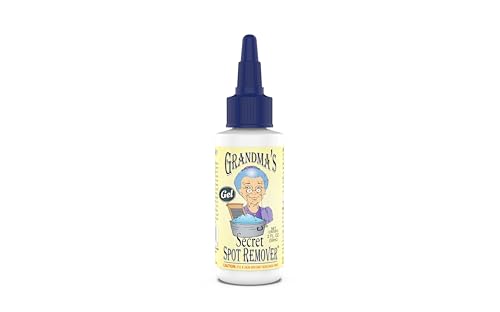
✅ HARSH ON STAINS NOT THE FABRIC: The toxin-free stain remover formula removes just the stains, not the beautiful color of your clothes. Our effective yet gentle stain remover for clothes does not contain bleaching agents or leave dirt-attracting residues, so spot remover should not harm your fabric. You can use Grandmas spot remover worry-free on your expensive investment.

EASILY REMOVES YEARS OLD STAINS: Save lost garments, much cheaper than the dry-cleaners. Safe on contact with skin. Baby clothes safe.
Step-By-Step Cleaning Guide for Kitchen Surfaces

Cleaning your kitchen surfaces can be a real hassle, especially after whipping up a meal. It’s so easy to feel overwhelmed by the mess, but with a few simple steps, you can tackle it efficiently.
Start by clearing your countertops and stovetops of any loose debris and food particles. It makes the cleaning process a lot easier. After that, grab a spray bottle and mix equal parts vinegar and water. Spray the greasy spots generously and let it sit for about 5 to 10 minutes. You’ll be amazed at how much easier it is to scrub away the built-up grime after that!
So what’s the next step? Use a soft sponge or cloth and scrub in circular motions. Pay a little extra attention to those stubborn areas that don’t seem to budge. If you’re dealing with thicker grease, here’s the trick: make a baking soda paste by mixing it with water. Apply that directly onto the tough stains and let it work its magic for about 15 to 20 minutes before giving it another scrub.
Finally, rinse everything down with warm water and dry the surfaces using a microfiber cloth. This will help give you a streak-free shine that you’ll love looking at. Truth is, taking just a little time to clean your kitchen surfaces can make a huge difference in how your space feels. Using the right preparation methods can also ensure optimal adhesion when applying finishes or sealants later on.
Recommended Products
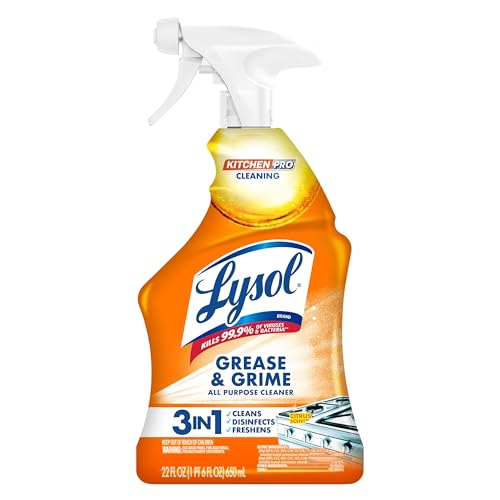
ELIMINATES 99.9% OF KITCHEN VIRUSES AND BACTERIA INCLUDNG SALMONELLA AND E.COLI: Lysol Pro Kitchen Cleaner is tested and proven to eliminate 99.9% of viruses and bacteria* (when used as directed). EPA Reg #777-91.

#1 Most effective Heavy-Duty Degreaser – This Heavy Duty formula breaks down stubborn grease and grime for a deep clean in seconds!

What You'll Get: One 32oz trigger spray bottle of Fantastik Fresh Scent Multi-Purpose Cleaner
Easy Ways to Clean Your Microwave Safely?
How can you keep your microwave in top shape while ensuring safety during the cleaning process? You know those tough stains that seem to stick around no matter what you do? Here’s a simple trick that works for many people: grab a microwave-safe bowl and fill it with equal parts water and vinegar. Heat it on high for about five minutes, and let the steam work its magic. It’s a great way to loosen up that grime and tackle any pesky water stains. After the timer goes off, just wipe down the insides with a damp cloth to sweep away what’s left.
Now, if you’re dealing with especially stubborn stains, don’t worry—there’s hope! Mix up a paste of baking soda and water, applying it directly to those trouble spots. Let it sit for around ten minutes before giving it a gentle scrub with a soft sponge. It’s usually pretty effective. And here’s a quick reminder: avoid using harsh chemicals. They can damage your microwave’s surfaces, and that’s just not what you want when you’re trying to keep things fresh for future cooking.
So, why does this matter? Not only does regular cleaning help your microwave perform better, but it also keeps your food tasting great. A clean microwave makes meal prep easier and helps prevent any unwanted flavors from lingering. When using solvents or cleaners, always ensure proper ventilation to maintain safety and reduce exposure to fumes.
Recommended Products
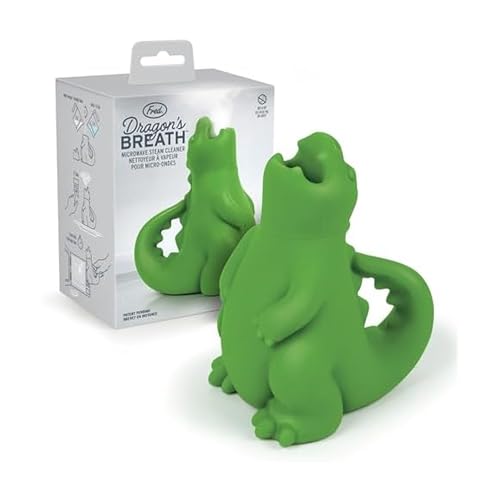
FUN AND FUNCTIONAL: Fred’s Dragon’s Breath is a whimsical microwave steam cleaner of mythical proportions! It effortlessly loosens grease and grime for easy cleaning.
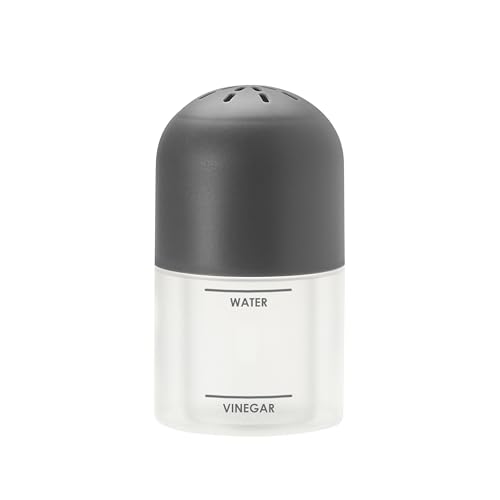
EFFORTLESS MICROWAVE CLEANING: Simply add water and vinegar to fill lines then microwave to let steam work its cleaning magic loosening grease and grime
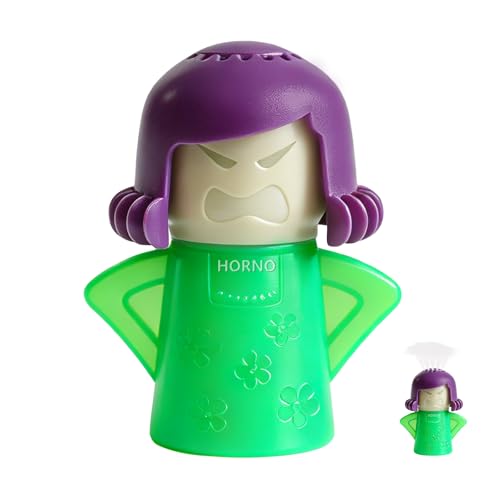
【Food-Grade Safe Material】--Made from premium heat-resistant PP plastic, this cleaner is BPA-free and odorless. It withstands high temperatures without deforming or releasing harmful substances, ensuring safety for your family and the environment.
How to Clean Your Toilet Effectively?
Cleaning your toilet can feel like a chore, but it’s an essential part of keeping your home fresh and inviting. What’s the best way to tackle this task? Start with a solid toilet brush to get rid of any visible waste and debris lurking in the bowl. After that, pour a good amount of toilet bowl cleaner in there—look for one that has hydrochloric or citric acid in it. Let it sit for around 10-15 minutes to really do its job.
For those stubborn stains that just won’t budge, don’t worry. Here’s the trick: mix some baking soda with white vinegar. When you combine these two, they’ll fizz like a science experiment—let that sit for about 30 minutes. Then, get your sponge ready and give it a good scrub. Trust me, your toilet will thank you.
And let’s not forget about the parts you actually touch! Use some disinfectant wipes or a spray cleaner to tackle the toilet seat, lid, and any exterior surfaces. This is crucial for keeping those germs at bay. Keeping these areas clean is just as important as scrubbing the inside of the bowl.
You really should aim to clean your toilet regularly, at least once a week. Doing so not only keeps it hygienic but also prevents stains from building up. So, why put it off? A little effort now saves you from a bigger headache later. What’s your go-to trick for keeping your bathroom clean?
In addition, maintaining good ventilation during and after cleaning helps prevent mold growth and keeps your bathroom fresh.
How to Restore Clarity to Your Windows?
Ever looked at your windows and thought, “Why do they look so foggy?” If you’re tired of squinting through streaky glass, I’ve got a simple method that’ll help bring back that crystal clarity.
Try this: mix equal parts white vinegar and water in a spray bottle. Just spritz it directly onto the glass and wipe it down with a microfiber cloth to dodge those pesky streaks. If you encounter some serious grime, make a paste from baking soda and a little water. Spread that on those stubborn spots and give it a gentle scrub.
You’ll want to consider the weather, too. Cleaning on a cloudy day is ideal since the sun can dry your cleaning solution faster than you’d like, which might leave some unwanted streaks behind. The best part is using a squeegee afterward to sweep away excess liquid, which really cuts down on water spots.
Cleaning every few months keeps your windows nice and clear, and it prevents you from dealing with heavier grime down the road. Honestly, who wants to spend their time on a big clean-up when you can keep it easy and light?
For protecting surrounding surfaces during your cleaning, using a plastic drop cloth can help prevent any accidental spills or drips from causing damage.
Removing Sticky Residue Without Damaging Surfaces
Dealing with sticky residue can be frustrating, right? Whether it’s tape left over from a price tag or goo from a label, getting rid of it without messing up the surface underneath can feel like a mini crisis. But don’t worry! There are some tried-and-true methods that really work.
Try this: Rubbing alcohol is your friend here. Just grab a cotton ball, soak it in rubbing alcohol, and gently press it onto the gooey area. Let it sit for a minute to break down the stickiness.
Another easy option is a homemade paste from lemon juice and baking soda. Mix them up, apply it to the sticky spot, and after a little while, wipe it off with a damp cloth. It’s safe for most surfaces, and it smells fresh too!
If you’re tackling fabrics, mixing salt with rubbing alcohol can help lift up grease without causing damage. Just dab it on, rub it gently, and watch that grease fade away.
Here’s the trick: Wet dryer sheets can also work wonders. Just lightly rub them over the sticky residue. They’re surprisingly effective and give a nice scent while you’re at it.
Truth is, if you’re looking for something specifically made for sticky stuff, Goo Gone is a solid option. It’s designed to remove adhesive residue and won’t harm most surfaces. Just follow the instructions, and you’ll be good to go.
When faced with sticky messes, you’ve got plenty of options to choose from. Experiment and see what works best for you! Have you tried any of these methods before? What’s your go-to for tackling sticky residue?
For tougher residue removal without damaging surfaces, selecting the right abrasive material composition is crucial for effectiveness and safety.
Recommended Products

Thick Spray Gel for adhesives: Goo Gone Adhesive Remover Spray Gel, which won a 2026 Good Housekeeping Cleaning Award, clings to surfaces to dissolve tough sticky messes like glue, stickers, labels, tape residue, gum, grease, wax and decals. The gel formula & glue remover works quickly to loosen adhesives for easy wipe-away cleanup.
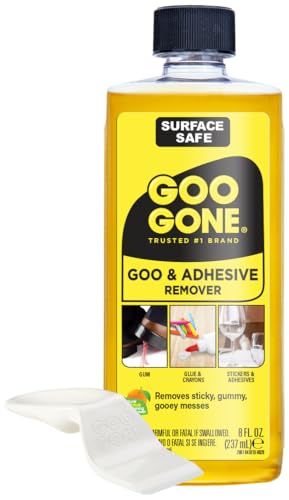
#1 TRUSTED BRAND FOR REMOVING GOOEY MESSES: Try it on stickers, wax, markers, crayons, glue, tar, window decals, glitter, gum, labels and so much more

TRUSTED #1 BRAND FOR REMOVING STICKY MESSES: Try it on gum, crayon, tape residue, glue, pen and much, much more. Removes price tags and product stickers with ease!!
Frequently Asked Questions
What Is the Best Method for Cleaning Grease?
When it comes to grease removal techniques, we’ve found that a blend of dish soap and hot water works wonders. Let’s explore safe degreasing products together for those pesky kitchen cleaning tips that save the day!
How to Clean Stubborn Grime?
To tackle stubborn grime, we should use eco-friendly cleaners like vinegar or baking soda, combined with effective scrub tools. These grime removal techniques make cleaning easier and safer, ensuring our surfaces stay in great condition.
How to Clean Sticky Grease Residue?
To clean sticky grease residue from kitchen appliances, we can use a mixture of baking soda and warm water or lemon juice paste. Let’s avoid abrasives and stick to soft sponges for the best results.
Does WD-40 Clean off Grease?
Yes, WD-40 effectively cleans grease! We’ve found it’s great for grease removal, but we must remember to test surfaces first for adhesive safety, ensuring no damage occurs. Let’s keep our spaces spotless!


