As an Amazon Associate, we earn from qualifying purchases. Some links on this site are affiliate links at no extra cost to you. Our recommendations are based on thorough research and editorial judgment.


Understanding VOCs and Odor: How to Plan a Low-Smell Painting Day

How do you enjoy a paint day without heavy smells lingering in the air? The secret lies in picking low-VOC paints that have 50 grams or less per liter.
You may be interested


Trust me, when you paint your space, you want to keep it fresh and airy!
First things first, ventilation is key. Open your windows and doors and let that fresh air in! Creating a cross breeze helps push out any odors.
Box fans can also do a fantastic job of circulating the air. The goal is to keep humidity under 50% and keep the temperature between 50°F and 85°F to help the paint dry quicker and with less smell.
Want to know a quick remedy? Baking soda or vinegar can work wonders for any lingering odors. Just sprinkle some baking soda around the room or place bowls of vinegar out; they’ll absorb those smells like a charm.
So, why does this matter? It’s all about enjoying your painting experience without feeling overwhelmed by harsh fumes.
Get this right, and you can focus on loving the transformation of your space, not wrestling with bad smells.
Overall, having a low-smell painting day is doable with the right prep.
Ready to get started? What color will you choose for your latest project?
Key Takeaways
- Choose low-VOC or zero-VOC paints to minimize strong odors and improve indoor air quality during and after the painting process.
- Ensure proper ventilation by opening windows, using fans, and keeping doors open to create airflow that disperses paint odors.
- Choose optimal weather conditions, maintaining low humidity and temperatures between 50°F and 85°F for effective paint application and reduced odor intensity.
- Implement household remedies, such as placing bowls of baking soda or activated charcoal around the area to absorb lingering odors.
- Consider hiring professional painters who use low-VOC products and fast-drying techniques to enhance air quality and finish quality during your project.
Understanding VOCs: The Cause of Paint Odors

What’s that smell coming from freshly painted walls? If you’ve ever painted a room, you know exactly what I mean. Those strong odors aren’t just annoying; they come from volatile organic compounds, or VOCs. These compounds are solvents that evaporate during and after painting, and they can stick around for a while, especially in spaces without good ventilation.
The deal is, the higher the VOC levels in traditional paints, the stronger and longer the paint smell tends to be. You might find yourself dealing with lingering odors for hours, days, or even weeks! That’s no fun, right? Off-gassing is when those VOCs escape into the air, so if you’re planning to paint, you really should think about your indoor air quality.
Now, if you want a better option, low VOC paints could be the way to go. They tend to give off milder fumes and are generally safer for your living space, although you might still catch a whiff of that fresh paint smell. Here’s the trick: try to paint in a well-ventilated area to help clear out those odors faster. Open windows, use fans, and let the fresh air in.
It’s all about keeping your home comfortable and healthy. Honestly, nobody wants the headache or nausea that can come from those strong paint smells. So, when you’re gearing up for a painting project, consider your choices carefully.
In the end, opting for low-smell painting not only helps improve your indoor air quality, but it also makes the whole painting experience a lot more pleasant. Using low VOC paints specifically designed for moisture control and mold resistance can enhance both air quality and wall durability. Have you ever tried painting with low VOC products? What was your experience like?
The Chemical Composition: Traditional vs. Low-VOC Paints

Choosing the right paint for your home can be tricky. Have you ever noticed how traditional paints can hit you with a strong odor? That’s mostly because they contain high levels of volatile organic compounds, or VOCs. These can range anywhere from 100 to over 400 grams per liter! If you’re sensitive to smells or just want a safer environment, this might be a concern for you.
Low-VOC paints are a breath of fresh air—literally! They’re designed to emit fewer harmful chemicals, usually clocking in at 50 grams or less VOCs per liter. This makes them a much safer choice, especially for indoor spaces where you spend a lot of time. You’ll find that they often come in water-based formulas, which not only reduce the smell but still maintain solid performance. Try this: when you’re looking for paint, check the label for those low-VOC options.
Truth is, both traditional and low-VOC paints still contain pigments and binders. The key difference is in the harsh solvents. Low-VOC options cut back on those strong-smelling solvents, so you get a milder scent both during and after you paint. However, keep in mind that darker colors can still pack a punch in terms of odor. So, why does this matter? If you’re planning a big painting project, opting for low-VOC can make the whole experience more pleasant and less hazardous.
Additionally, ensuring proper surface preparation can help paint adhere better and reduce the impact of odors during application.
To sum it all up, low-VOC paints offer a safer alternative to traditional options without sacrificing quality. Have you thought about which type might suit your next DIY project?
Recommended Products

PAINT + PRIMER: KILZ TRIBUTE is a low VOC, 100% acrylic advanced technology paint and primer in one formulated for superior hide and coverage with exceptional durability. Paint and primer covers light-medium stains and light-dark color changes.

Constructed of environmentally friendly, high grade solid wood, plywood, and MDF, engineered to prevent warping and last a lifetime. 12-stage wood preparation, sanding, painting, and finishing process

Constructed of environmentally friendly, high grade solid wood, plywood, and MDF, engineered to prevent warping and last a lifetime. 12-stage wood preparation, sanding, painting, and finishing process. Highly water-resistant low V.O.C. sealed finish
Choosing Low-VOC Paints for Your Project

Have you ever walked into a freshly painted room and felt that dizzying smell? The truth is, those strong fumes come from volatile organic compounds, or VOCs, which can mess with your indoor air quality. Opting for low-VOC paints can really help brighten up your space without compromising the air you breathe.
So, what’s the deal with low-VOC paints? They’ve got fewer than 50 grams of VOCs per liter, making them a safer choice compared to traditional paints. If you’re living in a space with kids or anyone who’s sensitive to chemicals, you might want to look for zero-VOC options. These beauties release just 5 grams or less of VOCs per liter, making them an ideal pick for sensitive environments.
Another perk? Many eco-friendly paint brands skip out on harsh chemicals like formaldehyde and ammonia. This reduces the risk of irritation and keeps things a bit gentler on your senses. When you’re shopping for paints, keep an eye out for products with GREENGUARD Gold Certification. This label shows that the paint has passed strict health standards.
Let’s be real: even low-VOC paints can have a smell, especially if you’re going for darker shades. That’s why it’s smart to test the paints first to see how your nose reacts.
Pairing low-VOC paints with odor blocking primers can further minimize unpleasant smells and improve indoor air quality during your painting project.
In short, choosing low-VOC paints can make a big difference for your home and health. Have you considered how your paint choices affect your indoor environment?
Recommended Products

Constructed of environmentally friendly, high grade solid wood, plywood, and MDF, engineered to prevent warping and last a lifetime. 12-stage wood preparation, sanding, painting, and finishing process. Five (5) functional drawers.

SUPERIOR FLEXIBLE SEALANT: Liquid Rubber's foundation sealer creates a permanent waterproof membrane for basement waterproofing, foundation leak repair, shower liners, and planter boxes. This professional-grade sealer delivers unmatched protection with 900% elongation, preventing leaks and water damage more effectively than traditional sealants

PREMIUM FLOOR COATING FOR GARAGE & DESIGNER FLOORS – Create durable, seamless surfaces with this garage floor epoxy kit ideal for concrete floors, designer floors, workshops, and industrial areas. Delivers a high-coverage, waterproof, abrasion-resistant finish that transforms worn flooring into a clean, modern, professional look
Preparing Your Space for Effective Ventilation
Getting good ventilation before you start painting is super important. It can really cut down on those overwhelming fumes and odors that come with the job. So, let’s dive into how you can get your space ready for some fresh airflow.
First off, open up all those windows and doors. This will create a nice cross breeze that helps push out any lingering paint smell. Want a little boost? Place some box fans in those openings to really get the air moving. Don’t forget to keep the interior doors open too—this allows the air to flow from room to room, so you won’t end up with an odor buildup in one area.
Here’s a tip: consider using air purifiers with HEPA filters while you’re painting. They work wonders alongside your HVAC system to improve indoor air quality. And if you can, aim to do your painting on a day with low humidity. Not only does this help the paint dry faster, but it also reduces the accumulation of fumes, making the whole experience a lot more pleasant.
To boost air quality further during your project, you might want to use an air scrubber with HEPA filtration effectiveness for superior removal of volatile organic compounds and odors.
Ultimately, by taking these simple steps to ensure proper ventilation, you’ll create a safer and more enjoyable environment for your painting project. So, are you ready to dive in with fresh, clean air?
Best Weather Conditions for Low-Smell Painting
When planning your next painting project, have you ever thought about how the weather can really change the game? It’s true! For those looking to minimize odors from paint, low humidity is your best friend—aim for levels under 50%. This helps the paint dry faster and keeps those pesky smells in check.
The temperature is also super important. Stick within the 50°F to 85°F range so the paint dries well and lets those volatile organic compounds (VOCs) escape efficiently. Painting on dry days is essential, too. Moisture can really worsen odors, making your whole project feel less pleasant.
Here’s the trick: before you get started, check the air quality outside. Days with high pollen or smog? Not ideal for painting. Honestly, you don’t want to be dealing with both paint fumes and allergies at the same time!
On windy days, it’s not just about blowing the cobwebs away; increased airflow helps those VOCs evaporate faster and decreases the concentration of paint odors. It’s a big win for your project.
In short, align your projects with these weather factors: low humidity, ideal temperature, dry days, good air quality, and gentle breezes. Doing so can really make your painting experience much more enjoyable.
Additionally, using a paint sprayer with adjustable pressure settings can help apply paint more evenly, which may reduce strong odors by minimizing overspray.
Have you tried painting with the weather in mind?
Paint With Minimal Odor: a Step-By-Step Guide
Want to paint your space but worried about the smell? You’re not alone. It’s a common concern, especially when you want to create a cozy atmosphere at home. The good news is, there are simple ways to enjoy a painting project without feeling overwhelmed by harmful fumes.
Start off by choosing your paint wisely. Low-VOC or zero-VOC paints are fantastic options because they cut down on nasty emissions. As a bonus, this helps keep your indoor air quality in check while keeping those paint smells to a minimum. And don’t skip out on ventilation! Opening windows and turning on fans can really make a difference by getting fresh air in and improving circulation, which lowers those pesky paint fume levels.
Here’s the trick: Add odor-absorbing materials to the mix. Think about placing some activated charcoal or even baking soda around the room. These little warriors can help soak up lingering odors, making the space much more pleasant.
While painting, consider applying thinner coats. Not only do they dry faster, but they also release fewer fumes into the air. And here’s something else to think about—try to plan your painting during those low-humidity days. When the air is less humid, the paint dries better, which means you’re stuck with odors for a shorter time.
Also, remember that water-based formulations generally have fewer VOCs and contribute to better indoor air quality.
To wrap it up, you can enjoy a fresher painting experience by picking the right materials and keeping good ventilation. So, what project are you thinking of tackling next? Go ahead and dive in—you’ve got this!
Recommended Products
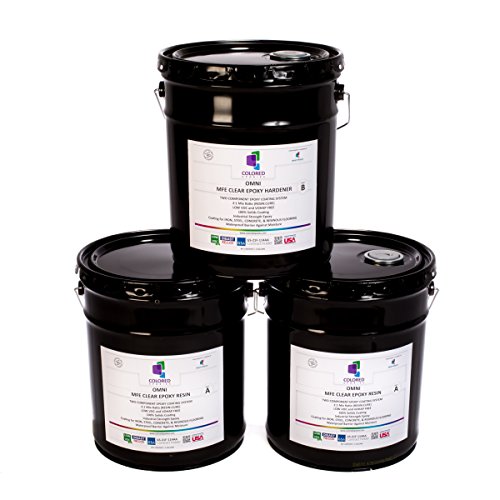
zero odor, 20x stronger than big box store brands. We offer 12 colors for back drop color for metallic epoxies, clear epoxies to mix with powdered metallic. 50 Metallic colors to choose from. Clear epoxy to top coat any surface. Try Color Epoxies Super UV
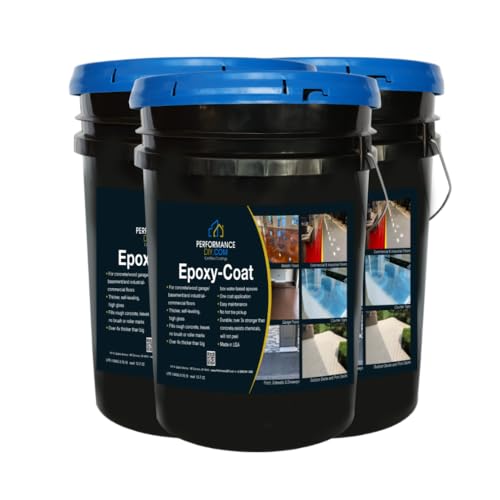
Complete All-in-One Kit – Includes (2) 5-gallon Part "A" Color Resin, (1) 5-gallon Part “B” Activator/Hardener, 10 lbs. decorative flake chips, 2.5 lbs. non-skid aluminum oxide, a large mixing bucket, and a paint stir stick—everything you need for a professional-grade epoxy coating installation.

4-STAGE FILTRATION FOR CLEANER AIR - Featuring a filter with integrated Activated Carbon and Zeolite, this air purifier captures airborne particles, including dust, pollen, pet dander, mold, smoke, and VOCs, offering a healthier, cleaner environment for your home or office.
Quick Fixes for Lingering Paint Odors
Have lingering paint odors got you down after tackling your recent project? You’re not alone, and it can really take away from enjoying your newly refreshed space. First off, let’s focus on ventilation. Open those windows wide to create cross-ventilation and use fans to help bring in fresh air. This simple step can work wonders for improving indoor air quality.
Try this: Place bowls of baking soda around the room. This inexpensive trick is great at soaking up unwanted odors. You might also want to consider activated charcoal, which is another solid option for fighting smells. If you’re in a pinch, cut an onion and soak it in water overnight; it surprisingly neutralizes paint smells pretty effectively.
Here’s another thing to keep in mind: properly dispose of or seal up your used painting materials, like rags. They can stick around and add to those lingering odors.
So, what if the smells still hang on, despite all your efforts? Truth is, sometimes it takes a little professional help to really clear the air and bring your space back to a fresh state. Using flexible, durable air hoses in your ventilation equipment can greatly improve airflow during painting projects and aid in faster odor removal.
Recommended Products

Effective Odor Eliminator - Developed by Swedish scientists and athletes designed to remove bad smells from the source. Our inserts are infused with a fresh scent leaving your gear clean & crisp
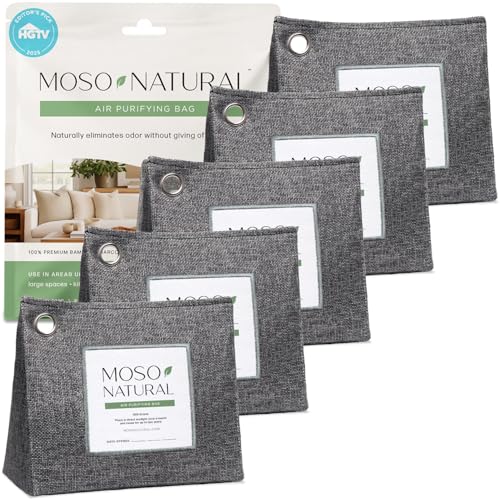
Home & Pet Odor Eliminator: The Moso Natural Bamboo Charcoal Air Purifying Bag works like a magnetic sponge to actively absorb bad smells from the air without giving off a scent.

Refresh Your Space: Freshen up any room in an instant with our 200-gram bags of charcoal odor absorber eliminators that continuously trap airborne odors naturally with charcoal.
Natural Remedies: Household Items to Absorb Odors
Ever walked into a freshly painted room and thought, “Wow, that smell is overwhelming!”? It can be quite uncomfortable, right? Thankfully, you don’t have to live with that stench. There are plenty of household items that can help absorb those unwanted odors, especially those tricky paint smells.
First off, consider using baking soda. Just place some bowls around the room, and it works like magic to neutralize odors in just a few hours. If you have activated charcoal handy, don’t hesitate to put it in open containers overnight. It’s excellent at absorbing VOCs and really helps clear the air.
White vinegar deserves a shout-out too. You can set out bowls of vinegar, and as it sits, it breaks down nasty odor-causing compounds. You might be surprised at how effective it is.
And I have to mention onions. It sounds odd, but cutting an onion in half and placing it in water overnight can help reduce fumes significantly. It’s one of those remedies that you might not think about, but it’s worth a try.
The best part is, adding a few drops of essential oils—think lemon or eucalyptus—to bowls of water does more than just mask odors. They help absorb them too, giving your space a pleasant scent while tackling that paint smell head-on.
Using low-VOC primers when painting is another effective way to minimize harmful and strong odors from the start.
Thinking About Hiring a Pro for Your Painting Project?
When you’ve got a painting project in mind, the big question often comes down to this: should you hire a pro? It’s a common dilemma, but consider the benefits professional painters bring to the table. They have experience with low-VOC paints, which are great for reducing that overwhelming paint smell and boosting your indoor air quality. Plus, they often know which fast-drying products to use, minimizing those pesky volatile organic compounds that can linger around.
Before diving into the project, it’s a good idea to chat about your preferences and any sensitivities you might have. This way, the painter can choose products that really suit your needs. So, why does this matter? Effective ventilation and proper application techniques can make a huge difference, leading to a smoother paint job with less odor hanging around.
The best part is, hiring a professional can genuinely enhance your painting experience. You’ll enjoy a healthier living space and probably end up with a finish that looks much better than if you went the DIY route. So if you’re on the fence about it, take a moment to think about whether the investment is worth it for your home.
Also, selecting non-toxic paint removers for prep work can further reduce chemical exposure and contribute to a low-odor environment.
In the end, painting can be a messy and sometimes overwhelming task, but it doesn’t have to be. Are you ready to make that living space of yours shine?
Recommended Products

Constructed of environmentally friendly, high grade solid wood, plywood, and MDF, engineered to prevent warping and last a lifetime. 12-stage wood preparation, sanding, painting, and finishing process.

Constructed of environmentally friendly, high grade solid wood, plywood, and MDF, engineered to prevent warping and last a lifetime. 12-stage wood preparation, sanding, painting, and finishing process.

Modern, Iconic Design Since 2005: A best-seller for nearly two decades, the Sparrow Crib features clean lines, superior craftsmanship, and a minimalist silhouette that fits any nursery.
Making the Most of Your Low-Smell Painting Experience
How can you make your painting experience less of a headache due to annoying odors? It starts with picking the right kind of paint. Low-VOC or zero-VOC paints are a smart choice—they really cut down on nasty emissions and those overpowering smells that linger long after you’ve finished.
While you’re painting, don’t forget about ventilation. It’s crucial! Open up those windows and crank up some fans to get the air moving. This will help the odors dissipate much faster, making the space more bearable. Ever tried mixing in some baking soda or activated charcoal? These simple odor absorbers can work wonders while the paint dries.
Timing matters too; try scheduling your painting projects on dry, breezy days. The weather can truly make a difference in how quickly your paint dries and odors disappear. If you’re working with a pro painter, communicate your sensitivity to paint fumes. Let them know you want low-smell products. This way, everyone can enjoy a more pleasant experience.
Additionally, consider using low-odor acrylic caulk for your sealing needs to further minimize smell and ensure a comfortable painting environment.
Frequently Asked Questions
What Level of VOCS Is Allowed in Low VOC Flat Finish Paint?
Low-VOC flat finish paints contain no more than 50 grams of VOCs per liter. By choosing eco-friendly options, considering color choices, and following proper surface preparation, we can improve indoor air quality and minimize health impacts.
How to Reduce VOCS After Painting?
To reduce VOCs after painting, we should enhance air circulation with ventilation strategies, control moisture, use eco-friendly products and odor neutralizers, and prioritize safety precautions. Surface preparation and rug cleaning also help improve indoor air quality.
Is Low Odor Paint the Same as Low VOC?
Low odor paint isn’t the same as low VOC. While both aim to improve air quality, their effectiveness varies. We must consider paint types, health effects, surface prep, and drying times when choosing the right option.
How Long Do VOCS Stay in the Air After Painting?
VOCs can linger in our indoor air for hours to weeks after painting, depending on ventilation and drying conditions. Ensuring good ventilation keeps our air quality safe, reducing toxic fumes and odor sources in home improvement projects.