As an Amazon Associate, we earn from qualifying purchases. Some links on this site are affiliate links at no extra cost to you. Our recommendations are based on thorough research and editorial judgment.


How to Dispose of Paint and Solvents Responsibly (Homeowner Guide)

How do you deal with leftover paint and solvents piling up in your garage? You’re not alone; it’s a common problem for many homeowners. Disposing of these materials responsibly is important not only for the environment but also for your own peace of mind.
You may be interested


First things first, check your local regulations. Every area has different rules about hazardous waste. For example, latex paint can actually be thrown out with the trash if you turn it into a solid. Just mix it with some cat litter until it hardens. For oil-based paints, it’s a different story—these need to be taken to a hazardous waste center.
You can find local disposal options through handy resources like Earth 911 or PaintCare.
As you tackle this task, remember to label any paint containers clearly. It helps keep your storage organized and can extend the lifespan of the products you want to keep. Keeping paints properly stored not only saves you cash but also avoids unnecessary waste.
Here’s the trick: if you’ve got unopened cans of paint, consider donating them. Local schools, community centers, or homeless shelters might welcome them for arts and crafts projects. Honestly, it feels good to know you’re helping out and keeping waste to a minimum.
So why does this matter? Well, disposing of paint the wrong way can harm the environment. It’s a small step we can all take to make a difference.
In summary, responsibly getting rid of paint and solvents is about knowing your options. Take the time to check local regulations, properly store your materials, and consider donating what you can.
What’s one paint project you’re most proud of, and how did you handle the leftovers?
Key Takeaways
- Mix latex paint with cat litter or hardeners, let solidify, and dispose of it in the trash with the lid removed.
- Oil-based paints must be taken to hazardous waste centers or local collection events for proper disposal.
- Use the Earth 911 database or PaintCare programs to locate nearby disposal options for leftover paint and solvents.
- Always store leftover paint sealed, labeled, and in a cool, dry place to maintain its quality and usability.
- Regularly check your paint stash for expiration and spoilage to prevent waste and ensure safe disposal.
Why Proper Disposal of Paint and Solvents Is Essential for Safety and Environment
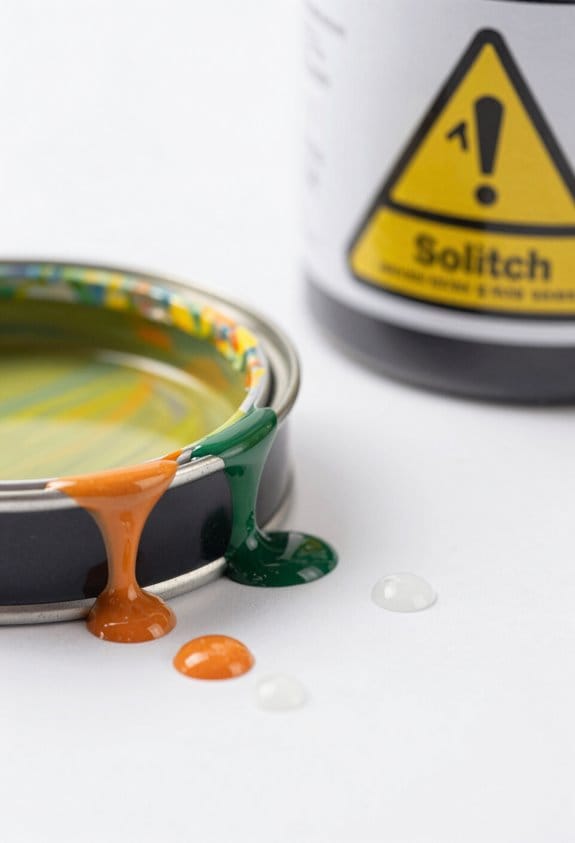
When it comes to tossing out paint and solvents, many of us don’t think twice about where they end up, right? But here’s the deal: these substances are pretty hazardous. They fall under household hazardous waste, packed with toxic chemicals that can poison our water systems and impact aquatic life. So, what happens if you pour paint down the drain? It releases volatile organic compounds (VOCs) into the air and contributes to pollution. That can lead to health problems for people in your community.
Many places have rules about how to dispose of these items. It’s not just for the environment, but it also helps protect sanitation workers from harmful materials. If you don’t follow these regulations, you could face legal troubles.
Want an easy trick to handle paint and solvents? Look for local hazardous waste disposal events or collection sites. A quick search online should help you find what’s available in your area. You might even discover that some retailers have take-back programs.
Doing the right thing with your paint and solvents can significantly cut down hazardous waste in our landfills. It makes waste management far more effective, and, in the end, it leads to a healthier environment for everyone. So, why not take a few minutes to find out how to dispose of these items properly? It’s a small step that benefits all of us in the long run.
Additionally, choosing eco-friendly formulations can reduce the environmental impact when using and disposing of paint products.
Let’s keep our communities safe and clean. What’s your go-to method for making sure hazardous items are disposed of correctly?
Your Step-by-Step Guide for Paint Disposal: Safely Dispose of Latex and Oil-Based Options
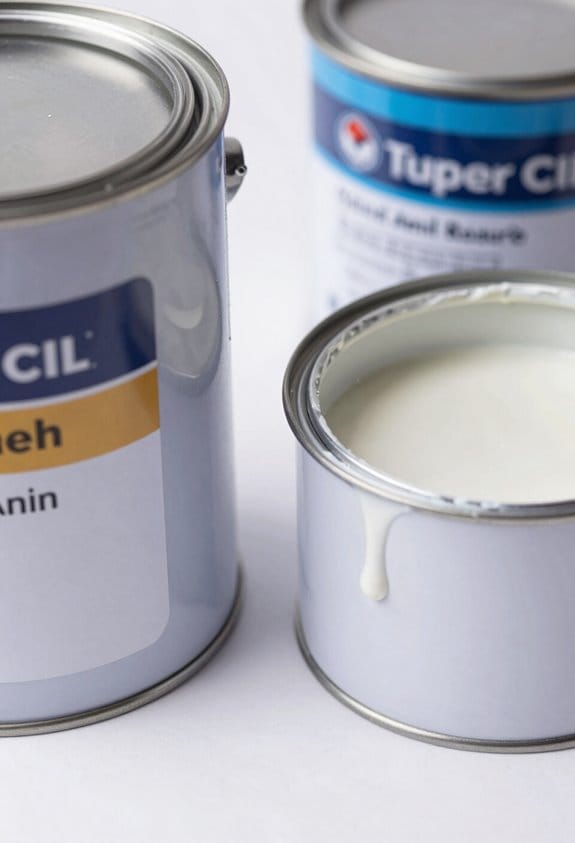
Have you ever stared at that can of leftover paint in your garage and thought, “What do I do with this now?” You’re not alone. Responsible paint disposal isn’t just something we should think about—it’s essential for keeping our environment safe and clean.
When dealing with latex paint, the process is pretty straightforward. You might want to mix it with cat litter or a commercial paint hardener. This trick makes the paint solid, so you can toss it in the trash—just be sure to leave the lid off. It might seem small, but doing this helps prevent spills and keeps it out of our landfills in a hazardous form.
Now, oil-based paints require a bit more care. It’s a no-go for throwing those in the regular trash. Instead, check if there’s a local hazardous waste drop-off center or recycling facility nearby. Many communities even hold hazardous waste collection events throughout the year. So, why does this matter? Disposing of these paints improperly can pollute our water and air.
If you’ve got a significant amount of paint, consider recycling it. Programs like PaintCare offer convenient year-round drop-off locations that make it easier to get rid of your leftover supplies safely. That’s a win-win!
Additionally, certain paint removers, like methylene chloride-free products, emphasize safer chemical formulations that are less harmful to the environment.
In short, disposing of paint properly isn’t just about following rules—it’s about being a good neighbor to the planet. Next time you find yourself with leftover paint, remember these tips to make sure you’re not adding to our environmental issues. What’s your go-to method for paint disposal?
Recommended Products

22" Height x 9.5" Diameter, 32 lbs. With Included TDS Meter!

1.5mil red 6- to 9-gallon biohazard waste disposal bag with warning label and sterilization indicator patch for disposing of and sterilizing biohazard waste

PUNCTURE-RESISTANT DESIGN: Crafted from durable, puncture-resistant plastic, Dynarex Dispo Safety Sharps Containers provide protection during the disposal of used needles, syringes, and other sharp medical instruments. This sturdy construction supports safe handling.
Find Local Paint and Hazardous Waste Disposal Options Near You
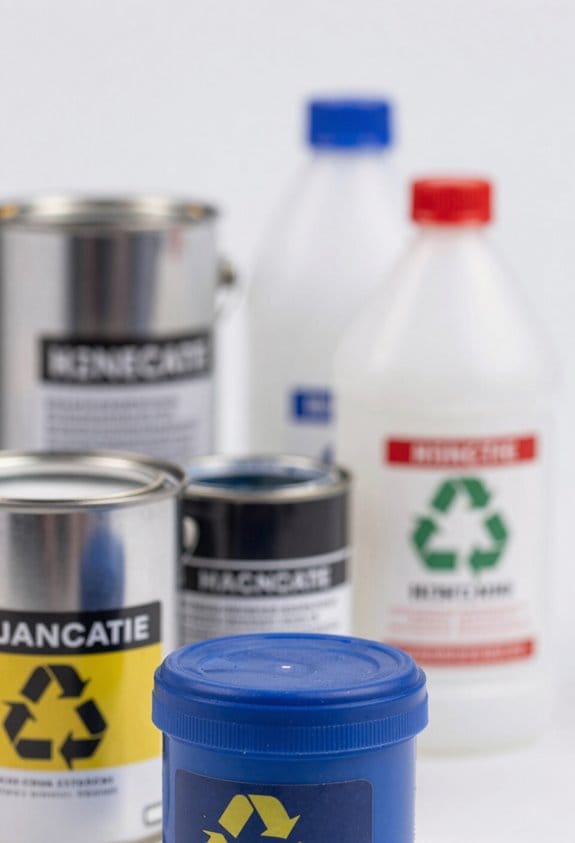
Have you ever stared at that half-empty can of paint and wondered what to do with it? You’re not alone! Knowing how to dispose of leftover paint safely can be tricky, but there are some great options out there.
One resource I recommend is the Earth 911 database. It lets you search for local waste collection or drop-off spots using just your zip code. How easy is that? In 13 states, PaintCare offers year-round programs specifically for latex and oil-based paint disposal. This means you can get rid of your paint responsibly without much hassle.
Many communities also have household hazardous waste (HHW) facilities. These are designated places where you can drop off hazardous materials on certain collection days. Plus, if you head to your local hardware or auto supply store, they often accept unwanted paint for recycling too. It’s worth checking out!
Now, if you’ve got larger quantities to deal with, private hazardous waste disposal services can step in as a solid option. The best part is, they help ensure your waste is managed properly and safely.
To keep paint mixtures consistent for reuse or disposal, using a paint mixer paddle can help thoroughly combine the contents before final processing.
So, why does this matter? Disposing of paint and other hazardous materials the right way is crucial for the environment. Truth is, every bit of waste that ends up in landfills can have a negative impact on our surroundings.
To sum it up, there are many ways to dispose of your paint safely and responsibly. Take a moment to explore these options in your area. What will you do with your leftover paint now?
10 Creative Ways to Repurpose Leftover Paint for Home Projects
Ever looked at that leftover paint in your garage and thought, “What am I going to do with this?” Instead of tossing it, you can actually transform that extra paint into something useful or fun for your home. Let’s dive into some creative ways to repurpose that paint.
First off, think about touch-ups. If your walls or furniture have seen better days, a bit of leftover water-based paint can work wonders to cover scuffs and scratches. It’s a quick fix that makes your space look polished without needing a full repaint.
Another idea? Mix different shades of similar colors together. This can create a custom primer or base coat you can use for future DIY projects, saving you money and giving you a unique base for your creative work. It’s like making your own paint palette!
Got some old furniture that needs a refresh? Grab that leftover paint and give it a new life with a fresh coat. Whether it’s a worn-out chair or a tired-looking dresser, painting it can totally transform its vibe. Just imagine how a bold color would change the look of your space!
What about those plain sheets of material lying around? Use leftover paint to create unique decorative paper. Simply layer different paint colors to craft stunning sheets that are perfect for gift wrapping or crafting. It’s easier than it sounds and adds a personal touch to any project.
And here’s a fun one—why not try turning leftover paint into custom-colored candles? This is a great way to add a pop of color to your craft supplies, plus it gives your candles a unique look that you can’t find in stores. Just make sure to use non-toxic paint and be cautious with your materials.
For best results, consider using a water-based, non-toxic primer as a base to improve adhesion and finish quality in your projects.
So, what’s stopping you from getting creative with that leftover paint? Repurposing it not only cuts down on waste but also helps brighten up your home in a unique way. Try some of these projects, and you might just find yourself wondering why you didn’t do this sooner!
In short, don’t let that paint go to waste. There are plenty of projects out there waiting for a splash of color. Which one will you try first?
Recommended Products
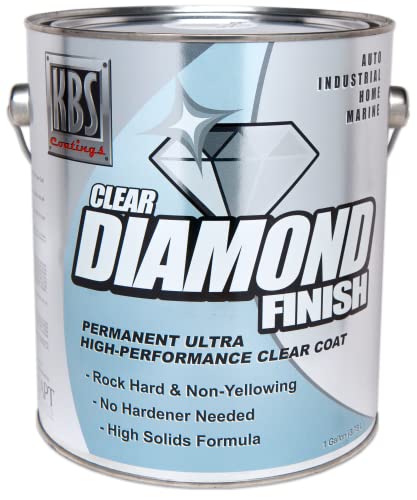
Direct To Metal Application - No Additives Needed

⚡ 【Powerful 3-Stage Turbine】 Delivers 7.5 PSI pressure – enough to atomize all common paints like latex, urethane, and enamel for a smooth finish.

Comfortable Rollback Design: The rollback design offers exceptional comfort; seat fully rolls at the bottom and top of the backrest for ultimate relaxation
Best Practices for Storing Leftover Paint and Solvents Safely
Have you ever opened a can of leftover paint only to find it a dried-up mess? It’s frustrating, especially when you thought you might need that color again. To avoid this disappointment, storing leftover paint and solvents the right way is key.
First off, make sure you seal those paint cans tightly. Air is the enemy here; letting air in will cause your paint to dry out, and then it’s practically useless. Store these materials in a cool, dry spot. Avoid places that get plenty of sunlight or extreme temperatures since that can mess with the paint’s consistency and quality.
Here’s the trick: label each container clearly. Write down the type of paint or solvent along with the date you stored it. This way, you can easily track how long it’s been sitting there. And don’t forget a quick wipe down around the rim of your cans before sealing. It helps keep rust at bay, and no one wants to deal with spoiled paint or solvents.
So, why does this matter? You might think you can toss everything in the garage or attic, but those places often face wild temperature swings. It’s not worth risking your materials. When it comes time for disposal, remember these are potentially hazardous materials, and they need special handling.
Additionally, keeping your paint containers in environments with stable temperatures and humidity can help maintain their durability and weather resistance, extending their usable life.
In the end, taking a few simple steps can save you a lot of headaches later on. Have you checked your stash of leftover paint recently? You might just want to take a look!
Recommended Products

Made in the USA: Veteran-owned and based in Evansville, Indiana—we stand by our products and put customers first. Our long-term food storage containers, pails, and buckets are durable, reliable, and built to last. It’s a food-grade 5-gallon bucket with lid you can rely on.

Made To Handle More: Tackle bulk storage with a durable plastic bucket and airtight gamma seal screw-on lid made from sturdy 90 mil HDPE plastic. It’s a dependable pick for pantry staples, utility use, and everyday organization when lightweight containers won’t cut it.

These durable, sturdy deviled egg carrier with lid are made in the USA from thick OPS plastic, ensuring they won't break or crack easily and will last a long time. (Please note: Not recommended to place it in the dishwasher.)
Frequently Asked Questions
How to Get Rid of Paint Solvent?
Did you know over 1 billion gallons of paint are thrown away each year? For paint solvent disposal, we should explore solvent recycling options, participate in hazardous waste collections, and follow local disposal guidelines for eco-friendly alternatives.
How to Properly Dispose of Solvents?
To properly dispose of solvents, we can explore solvent recycling options, visit hazardous waste facilities, follow local disposal regulations, utilize solvent disposal kits, and participate in community cleanup events while practicing safe storage tips.
How to Dispose of Solvent-Based Paints?
When it comes to disposing of solvent-based paints, we should embrace responsibility. Let’s check local regulations for hazardous waste facilities, consider paint disposal events, and explore solvent recycling programs for a positive environmental impact together.
Where Can I Get RId of Paint in RI?
We can get rid of paint in RI by checking paint recycling options at hazardous waste facilities, participating in local collection events, or donating to centers. Curbside pickups and community cleanup days are great alternatives, too!


