As an Amazon Associate, we earn from qualifying purchases. Some links on this site are affiliate links at no extra cost to you. Our recommendations are based on thorough research and editorial judgment.


Dry Brushing vs Overworking: How to Stop “Dragging” Paint

Have you ever noticed your paint dragging across the surface, leaving behind unwanted streaks? It’s frustrating, isn’t it? When it comes to dry brushing, achieving the right texture depends on using thick paint with minimal water.
You may be interested


To avoid that dragging effect, try loading your brush about two-thirds full of paint. Then, move your brush in an overlapping “W” or “M” motion. This technique not only helps eliminate visible drag, but also keeps those excessive marks at bay.
Don’t forget about paint consistency. If your paint is too thin or the surface you’re working on is too dry, you might struggle with adhesion. Check the temperature and humidity of your workspace because these can affect how your paint behaves. Proper surface preparation is just as essential; take a moment to ensure everything is ready before you dive in.
Honestly, mastering your brushwork can take time and practice, but it’s so worth it in the end. Keep experimenting with these tips, and you’ll be well on your way to perfecting your technique.
What’s your biggest challenge when it comes to painting?
Key Takeaways
- Ensure proper paint loading, using two-thirds of the brush capacity to avoid insufficient coverage and drag.
- Use overlapping “W” or “M” patterns to maintain a wet edge and facilitate even application.
- Regularly clean brushes to prevent residue buildup that contributes to dragging and uneven strokes.
- Control environmental factors like temperature and humidity to optimize paint flow and drying times.
- Avoid overworking the paint by limiting brush strokes to prevent excessive marks and maintain a smooth finish.
Understanding Dry Brushing: Definition and Importance

Ever find yourself staring at a blank canvas, unsure of how to add depth or texture to your painting? Dry brushing might just be the technique you need. It’s all about using a brush with very little water and thick paint, allowing you to add that beautiful texture on dry paper.
To get started, you’ll want the right tools. A slightly worn brush works wonders when you’re skimming over 100% cotton Cold Press or Rough paper. That’s where the magic happens! Think about how you can represent materials like stone or wood grain just by controlling how much paint is on your brush. It’s a balancing act, and if you don’t get it right, you may end up with paint dragging across your work. So, you’re going to want to pay attention to your brush loading and moisture levels.
Here’s the trick: practice makes perfect. Don’t be afraid to experiment with different brush strokes and pressure. Try layering colors and see how they interact. It’s all about finding your style through trial and error. And remember, dry brushing isn’t just about the final product; it’s about enjoying the process too! Choosing brushes made of high-quality synthetic materials can enhance your control and paint retention during dry brushing.
Common Causes of Paint Dragging While Brushing

Ever tried painting your walls only to end up with weird brush marks? It’s frustrating, right? Understanding what’s causing paint dragging can really make a difference in how smoothly your project goes.
One big reason you might see those unsightly marks is not loading your brush with enough paint. If you dip your brush but don’t get enough paint on it, or if you wipe off too much, you’ll be working with nearly dry paint. It’s no wonder that results in visible brush strokes.
Then there are environmental factors to think about. When temperatures are extreme or the air is super dry, paint can dry way too fast. That quick drying means you’re more likely to end up with dragging. Plus, if the surface you’re painting is dirty – like covered in dust, grease, or old paint – it just won’t stick well. This leads to even more headaches while you’re trying to get a clean look.
Don’t forget about the importance of what types of paint you’re mixing. If you combine water-based and oil-based paints, you may create a sticky mess that won’t cooperate, causing all sorts of dragging problems.
Also, proper surface preparation and choosing the right application method can significantly reduce paint dragging and improve finish quality.
Recommended Products
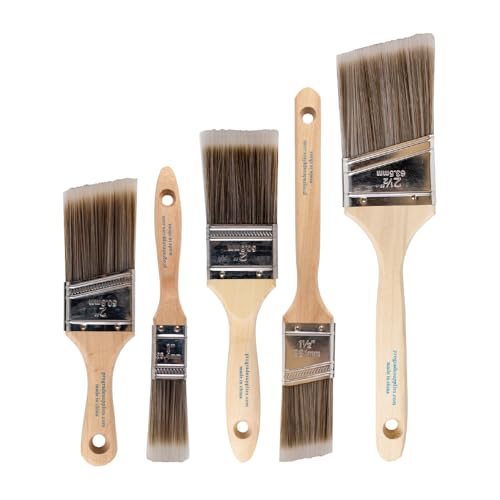
COMPLETE 5-PIECE BRUSH SET FOR EVERY PAINTING TASK — Includes 1 Inch Flat, 1.5 Inch Angle, 2 Inch Flat, 2 Inch Angle Stubby, and 2.5 Inch Angle brush giving you every size professional painters use daily. Get all 5 for less than the price of a single brush from hardware store brands — professional grade performance at a fraction of the cost. Perfect for walls, trim, cabinets, doors, furniture, and detailed cutting-in work on any project.
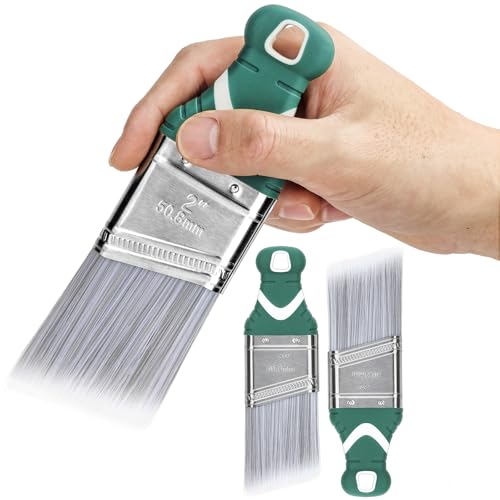
【What You Get】3pcs 2-Inch short handle angle paint brush, featuring synthetic bristles, stainless steel ferrule, and rubber grip with hanging hole. Use with all paints, easy to clean, simply rinse to remove paint and air dry for reuse. Size: 6.5"L x 2"W x 0.6"H, weigh 70 grams each.

2 Inch Angled Paint Brush for Precision Cutting-In – Designed for clean, sharp lines around trim, baseboards, ceilings, corners, and detailed edge work. The perfect size for control and coverage.
Tips to Prevent Paint Drag

Achieving that flawless paint finish can feel frustrating, right? One of the biggest issues people face is paint drag, where the brush just doesn’t glide smoothly. So, what can you do to avoid that headache?
Start with loading your brush. You want to fill it about two-thirds with paint, but don’t go overboard with moisture. Too much water makes it harder for the paint to apply smoothly. Instead, use light pressure while painting. This helps create that smooth finish and reduces friction, which is key to avoiding drag.
Try this: when you’re applying paint, go for an overlapping “W” or “M” pattern. It sounds a little odd, but this technique really helps you maintain a wet edge and even coverage. It’s amazing how a slight change in method can make a huge difference.
Also, keep an eye on the paint’s consistency. If it feels too thick or dried out, guess what? It’s probably going to drag. You might want to test out smaller areas before committing to large sections, just to make sure the paint behaves the way you want it to.
Temperature and humidity matter too. Ensure your workspace is not too hot or too humid. Extreme conditions can disrupt how the paint flows and lead to unwanted dragging.
Using a paint strainer can improve paint quality by removing impurities, which helps the brush glide more smoothly and prevents drag.
Honestly, if you take these steps, you can really improve your painting experience. So, next time you’re prepping to paint, remember these tips to help keep things smooth. What techniques have you found work best for you?
Recommended Products

Great Quantity:There are 10pcs paint strainer bags in the package, if you don't want to wash them after use, you can replace them at any time. Fully meet your daily needs

1. Fits 5 Gallon Buckets: Stretch-to-fit elastic top seals tightly on 5-gal buckets-zero slippage or leaks during pouring, even with thick paints/stains
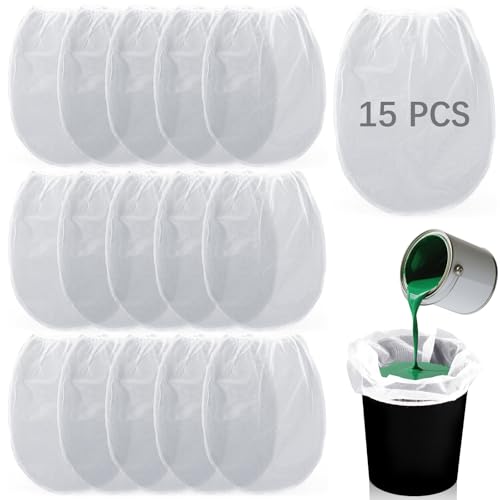
【Package contains】You will receive 15 pieces paint strainer bags 5 gallon with elastic top opening. Enough quantities to meet your work needs or differents daily needs
What Are the Signs You’re Overworking Your Dry Brushing Technique?
How do you know when you’re overworking your dry brushing technique? It’s easier to figure out than you might think. One of the biggest red flags is seeing excessive brush marks. If your brush is dragging instead of gliding smoothly across the surface, that’s a sure sign something’s off. When you spot uneven streaks or lifted edges, it usually means the paint isn’t flowing right. Most of the time, that’s because you might be using the wrong brush or working the paint too much.
Another thing to look out for is dusty or faint pigment. This often means your brush is too dry—talk about misapplication! Then there are those dry, fuzzy edges that seem to catch on every texture. Ever felt frustrated seeing those? It’s like the brush is fighting against you.
Also, keep an eye on consistency issues. You know you’ve been overworking it when you see skipped patches or dry spots pop up after repeated strokes. It really highlights that your technique might need some fine-tuning. Using tools made from durable, eco-friendly materials can help maintain better control and application during your painting.
Recommended Products

Mister Rui Chalk Wax Paint Brush: Includes 3 different sizes wax paint brushes, with 1 pointed wax brush, 1 round wax brush, 1 flat wax brush. Flat brushes are ideal for waxing large areas, while point-tip brushes work perfectly for detailed edges and corners. Whether it's waxing and maintaining furniture, painting, or stenciling, this set of brushes works perfectly for all your needs
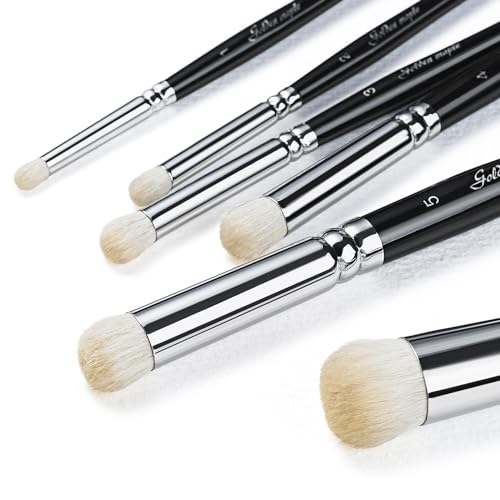
【Goat Hair Dry Brushes】Miniature dry brush features rust proof ferrule which encases dense, semi-stiff, and springy goat bristles, as well as a slightly domed shape. Dry brush set are durable and resistant to deformation or shedding, excellent comfort that can be controlled firmly.

Versatile Paint Brushes and Dry Brushes - Perfect combination of 16 detail paint brushes (Liners 4/0, 3/0, 2/0, 1, Rounds 4/0, 3/0, 2/0, 0, 1, 2, 4, Flats 2/0, 0, 1, 2, Angled Spot 0) and 5 dry brushes (#3, #5, #7, #11, #13-1/2), satisfies all you needs of detail and model painting. Use dry brushes for base coating and texturing, and the detail brushes for intricate details. This paint brush set is ideal for both professional artists and beginners, offering depth and expressive textures for any artwork
Mastering Dry Brush Techniques for Various Textured Surfaces
Mastering dry brushing techniques can feel a bit daunting, right? But it’s key for really making those textured surfaces pop. A good tip is to grab a slightly worn brush and load it lightly with thick pigment. This method works wonders for surfaces like stone and wood, giving you those crisp, sharp textures you’re after. Just remember, working in small sections helps you keep control over your brushwork.
Picking the right brush size is essential, too. A flat brush is excellent for stone surfaces, while a rigger can help you nail the finer details. Have you ever thought about testing your technique on some scrap material before diving into your main project? It’s a great way to avoid any costly mistakes.
Keep the brush blotted so it has a nice matte finish—this helps with moisture control and prevents too much paint from piling up. As you work, different stroke types can take your results to the next level. Try skimming for brick, pulling long grains for wood, and feather flicks for grass.
So, why does this matter? Because the right technique can make all the difference in how your project turns out. If you take the time to practice your strokes and experiment with different brushes, you’ll find a rhythm that works for you. It’s also important to consider brush material quality to maximize the effectiveness and longevity of your tools.
Recommended Products

【Versatility】The combination of Dry Brush and Miniature Paint Brushes allows you to seamlessly transition between bold, textured strokes and intricate detailing. The interplay between bold, textured elements and refined, precise lines adds visual interest and dimension to your artwork.

Premium Wool Bristles: Crafted with soft wool and featuring an extra dense core, the lenbicki dry brush set offer ultra-gentle application while delivering enhanced paint retention and precise control. Enjoy smooth, even coverage without scratching surfaces. Ideal for delicate detailing and layering in miniatures, models, or art projects.

Professional Dry Brush Set:Dry brush miniature paint brushes is designed with a dome shaped tip and the bristles are soft goat hair. The set includes dry brush miniature painting brushes in different sizes to meet various painting needs
Troubleshooting: Fixing Issues When Paint Starts to Drag
Ever have one of those painting days where the paint just won’t cooperate? It can be super frustrating when you’re aiming for that smooth, beautiful finish but the paint keeps dragging instead.
First things first, let’s talk brush load. Ideally, your brush should be about two-thirds full. A little thick, non-glossy paint is the way to go. If you notice any lifted edges or stubborn brush strokes, this is a sign that the paint might be too thick. Here’s the trick: adding some compatible thinners can really help the situation.
When you’re actually applying the paint, don’t forget to apply light pressure. It sounds simple, but keeping it gentle allows for a way smoother application. Ever thought about testing on a scrap piece first? It can really save you from headaches down the line, trust me!
Humidity and temperature also play a huge role in how quickly paint dries. If you live in a super humid area or it’s a hot day, the paint’s behavior can change drastically. So, be mindful of those environmental factors before diving in.
For those using oil-based paints, here’s a reminder: cleaning your brushes with soap and water is crucial to keep them functioning well.
To improve your painting experience, consider using a paint extender to enhance paint flow and reduce brush marks for a smoother finish.
Recommended Products

Paint Hard-To-Reach Spots - Having a tough time reaching high ceilings, wall corners, or stairwells with your paint brush? Our multi-angle paint brush extender lets you paint every inch with ease.
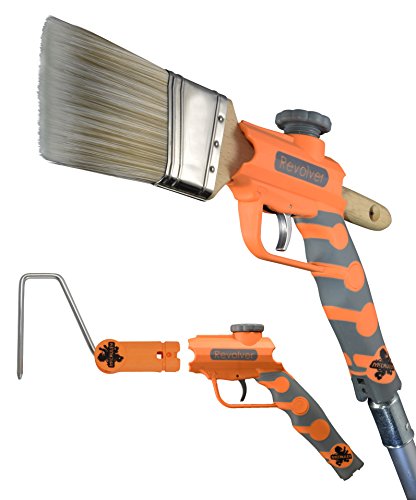
SOLID, SECURE PAINTING EXTENSION: Skip the hassle of using ladders while painting. The Revolver 2-in-1 paint brush extender accepts all your paint brushes and McCauley 360° paint rollers, providing brushing and rolling at all angles for the high and hard to reach surfaces.

What You Get: 1 x Multi-Angle Paint Brush Extender (Pole Not Included). Our paintbrush extender grip will make an ideal present for any special day
Frequently Asked Questions
How to Dry Brush Without Wasting Paint?
To dry brush without wasting paint, we should choose the right brush types, focus on a thick paint consistency, and practice effective paint application techniques. Let’s also save leftover paint for future use!
How to Not Overwork Paint?
Like a dancer mastering each step, we’ll focus on paint application techniques, select the right brush types, respect paint drying times, and prepare surfaces carefully. This way, we won’t overwork our paint and achieve stunning results.
What Happens if You Dry Brush Too Much?
If we dry brush too much, we risk flattening textures, uneven color distribution, and damaging the paint’s integrity. Using effective dry brushing techniques, appropriate brush selection, and ensuring proper surface preparation can help maintain paint consistency and quality.
Why Is My Paint Dragging?
Our paint’s dragging because of improper paint consistency and poor surface preparation. By refining our brush technique and being mindful of drying time, we can guarantee a smoother application without the frustrating drag.


