As an Amazon Associate, we earn from qualifying purchases. Some links on this site are affiliate links at no extra cost to you. Our recommendations are based on thorough research and editorial judgment.


How to Cut In Like a Pro: Hand Position, Loading, and Edge Control

Want to cut in like a pro without leaving behind a messy line? It starts with how you hold your brush. You’ll want to grip it loosely near the bristles, almost like you’re holding a pen. This gives you better control, which is key to clean edges.
You may be interested


When it comes to loading your brush, just cover about one-third of the bristles with paint. Be sure to pat away any excess paint; nobody wants those drips ruining their hard work.
Keep that brush at a 45-degree angle while you paint, applying light pressure to make sure those edges stay nice and straight.
So, why does this matter? Because having straight, sharp lines is a sign of a well-done job, plus it saves you time on touch-ups later.
To help with blending, try using feathering strokes. They’re perfect for creating a smooth transition where one color meets another.
The best part is these techniques are easy to practice. You can start with small projects and gain confidence over time. Keeping it simple helps you focus on mastering those cut-in lines.
In summary, brush grip, paint loading, and feathering strokes are your new best friends in cutting in. Give them a try next time you’re painting and see how it changes your results. What are you waiting for? Go make those edges sharp!
Key Takeaways
- Hold the paintbrush loosely near the bristles for better control and a steady hand while painting.
- Dip the brush tip in paint, covering one-third of the bristle length; avoid over-saturation for clean lines.
- Use an angled sash brush to enhance precision and load manageable amounts of paint for easier application.
- Feather edges while blending to create smooth transitions and fix any imperfections immediately without letting the paint dry.
- Practice on a scrap piece to build confidence and refine your cutting-in skills before tackling the main project.
Mastering Hand Position and Brush Loading for Cutting In

Have you ever tried painting a straight line and ended up with a mess instead? It can be super frustrating, but there are some simple tricks to get those crisp, clean edges you’re after. Mastering your hand position and how you load your brush is key.
To start, hold your paintbrush a bit loosely near the bristles. This gives you better control and lets you move more naturally. When loading the brush, dip the tip into the paint, but only about a third of the bristle length. This way, you avoid drips and keep the paint manageable.
Try gripping the brush like you would a pen. This helps maintain a steady hand, which is crucial when you’re working close to an edge. To actually make the cut, use the outer bristles to guide the paint along the edge. Just gently pull them along for an even line.
And here’s the trick for blending: as you finish painting, gradually ease up on the pressure. This feathering technique helps the edge blend in nicely with any rolled paint. It’s all about that smooth transition, giving you that professional look.
Using a paint sprayer with adjustable flow control can complement hand techniques by providing an even coat in broader areas while maintaining precision along edges.
The best part? With a bit of practice, these techniques will feel second nature. You’ll be amazed at the difference they make. So, what’s stopping you from getting started on that next project?
Recommended Products

2 Inch Angled Paint Brush for Precision Cutting-In – Designed for clean, sharp lines around trim, baseboards, ceilings, corners, and detailed edge work. The perfect size for control and coverage.

Flexible purple Shergrip handle that measurers only 2 Inches long that adds maneuverability in tight spaces

Professional Trim & Edging Precision: Achieve razor-sharp lines with this ultimate trim paint brush and edging paint brush. The firm, micro-tipped synthetic bristles are engineered for control, making it suitable for trim, ceilings, and corners. It holds paint well for a smooth, streak-free finish every time
Proven Techniques for Achieving Sharp Edges

Want to get sharp edges in your painting project? It comes down to a bit of technique and a lot of practice. First off, grip your brush like you’re holding a pen—just a loose hold near the bristles. This gives you better control over your strokes.
When it’s time to dip your angled sash brush, aim to only cover about one-third of the bristle length with paint. If you don’t want to end up with a messy line, gently pat the brush to remove excess paint—no one likes an over-saturated brush! Use the outer bristles for that crisp line against the surface. As you paint, sweep gently into the wet paint to keep marks to a minimum.
There’s an extra trick for blending: after you’ve applied your paint, feather the edge by lightly touching the brush at an angle. This helps transition the new paint smoothly with what you’ve already rolled on. And let’s be honest, using masking tape can totally save you from messy edges too. It’s one of those reliable tools every painter should have on hand.
For achieving an even finish, consider using an adjustable spray pattern to enhance precision and minimize overspray when working near the edges.
Recommended Products


Genuine Wooster replacement part.
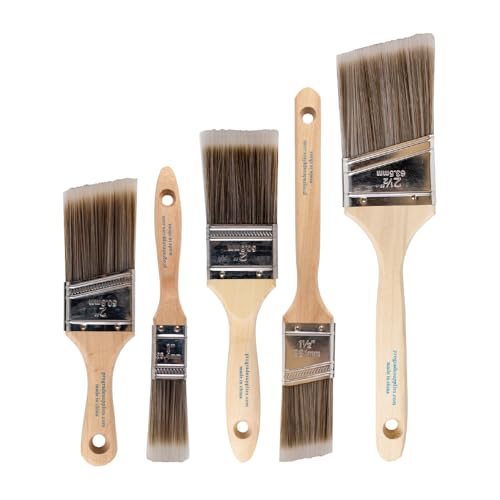
COMPLETE 5-PIECE BRUSH SET FOR EVERY PAINTING TASK — Includes 1 Inch Flat, 1.5 Inch Angle, 2 Inch Flat, 2 Inch Angle Stubby, and 2.5 Inch Angle brush giving you every size professional painters use daily. Get all 5 for less than the price of a single brush from hardware store brands — professional grade performance at a fraction of the cost. Perfect for walls, trim, cabinets, doors, furniture, and detailed cutting-in work on any project.
Essential Tips for Perfecting Your Cutting In Technique

Cutting in can be one of the trickiest parts of painting, but it’s also what makes a paint job look truly professional. Are you tired of paint running into places it shouldn’t? Mastering this technique doesn’t have to be a mystery.
To nail those clean edges, try holding the brush loosely near the bristles. This gives you better control. When you’re dipping the brush, go for about one-third of the bristle length in paint. This little tip helps prevent those annoying drips that can ruin your hard work.
When you’re ready to apply the cut-in paint, focus on using the outer bristles to guide you along the edge. Gently push the brush against the surface to create straight lines. Keeping a consistent 45-degree angle is crucial. It minimizes splatters, which is something you definitely want to avoid. Quick feathering strokes along the edge can blend everything together nicely.
So, why should you consider using painters tape? It acts as a shield for adjacent areas, giving you that extra layer of protection and precision. If you line it up right, you’ll be amazed at how clean those lines can look.
Additionally, ensuring that surfaces are properly prepared and clean before painting can significantly improve adhesion strength and the final finish.
In the end, with a bit of practice and these helpful tips, you’ll be on your way to achieving that professional finish every time. Have you tried cutting in before, and what worked best for you?
Recommended Products

PERFORMANCE: Faster, easier prep with precision vs. applying 3M paper-backed tapes by hand
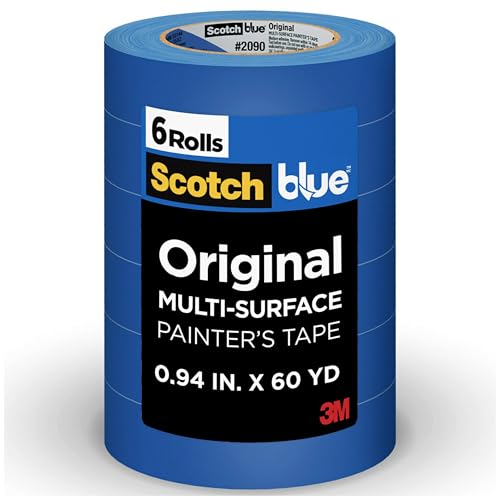
READY. SET. PAINT!: 6 rolls of 0.94 inch wide ScotchBlue Original Painter's Tape, a multi-surface solution for preparing to paint your living or working environment

SUPERIOR ADHESION & CLEAN REMOVAL: Our wide blue painters tape, perfect as 3D printer tape or laser masking tape, removes cleanly without residue, streaks, or stains for up to 21 days. Unlike other painting tape or masking tape that peels prematurely, TapeManBlue's extra wide painters tape stays put on your surfaces. Whether you're using it as 3D printing tape, for laser engraving, or general painting projects, our thick painters tape delivers reliable performance every time.
Cutting In: What It Is and Why It Matters
Mastering the art of cutting in is key to ensuring clean lines and well-defined borders when you’re tackling your painting projects. Ever tried to paint around edges with a roller? It’s a struggle. That’s where cutting in comes to the rescue, especially in those tricky spots like corners and along ceiling lines.
So, what’s the best way to get started? A high-quality, 2-inch angled sash brush is a must. It gives you the control you need to maneuver around those hard-to-reach areas. Before you roll paint on the walls, take a moment to carefully apply your paint with a steady hand. Keeping the brush at a 45-degree angle helps create those straight lines that make all the difference.
Why go through this effort? Well, proper cutting in minimizes patchy results and takes your overall finish from basic to professional. By taking the time to cut in, you’re laying the groundwork for a stunning transformation in your space. It might seem tedious at first, but trust me, the results will speak for themselves.
For larger projects, using tools with adjustable flow control can further enhance precision and minimize drips.
In the end, putting in that extra effort pays off. When you see those sharp lines and perfect edges, you’ll feel proud of your work. What painting project are you planning to tackle next?
Signs You Should Hire a Professional Painter
Have you ever started a painting project only to realize it’s not going as smoothly as you thought it would? If you’re struggling to get clean lines when cutting in or finding uneven edges popping up everywhere, that might be a sign it’s time to call in a pro.
Dealing with tricky surfaces like textured walls or intricate trim can be a headache. A steady hand is essential to tape along those edges correctly. Plus, let’s face it: if you’re short on time or patience for all the prep work and detail, going for a professional might just save your sanity.
You might find bigger projects—especially those requiring multiple coats or intricate details—tend to become overwhelming. Professionals can usually tackle these with ease, often giving you that smooth finish you might be dreaming of.
Have you ever had issues with paint not sticking? It can be frustrating and honestly, it’s worth consulting a painter who knows how to assess and handle those challenges. The best part is that they can help you avoid mistakes that might lead to further headaches down the line.
In short, painting can be a rewarding task, but there’s absolutely no shame in bringing in a pro when you need it. Using tools like negative air machines can also improve air quality and reduce dust during your painting project. So, what’s holding you back from hiring a professional? Sometimes, it’s just best to let an expert handle it.
Recommended Products

Ready to meet any dust barrier challenge Everything you need to create a dust barrier up to 16' wide and seal it on all four sides Easy to transport and store in one...
What to Do If Your Cut In Lines Aren’t Perfect?
What do you do when your cut-in lines aren’t quite right? It can be super frustrating, right? The good news is there are some simple tricks to fix those pesky mistakes.
First, keep a clean, damp rag or putty knife handy. If you notice a slip-up, gently correct it right away—it helps avoid any smudging that can happen if you let it dry first. Truth is, nobody’s perfect, and a little quick action goes a long way.
If your lines are uneven, try feathering the edges. You can lightly brush over them with a dry brush to help blend the paint. This trick smooths things out nicely. Once your first layer dries, think about adding a second coat. It really can help mask imperfections and brighten the overall look of your work.
Also, take a moment to check your brush technique. Are you using long, steady strokes with a relaxed grip? These factors can make a big difference in how your lines turn out. Honestly, if you’re feeling unsure, practice cutting in on a scrap piece or a less visible spot first. It takes some practice, but that’s all part of the fun, right?
Additionally, using an adjustable nozzle size paint sprayer can help achieve cleaner edges and reduce the need for manual corrections.
Recommended Products

【4 Nozzles & 3 Spray Patterns】VONFORN 700W paint sprayer includes 4 nozzle sizes (1.0mm, 1.5mm, 2.0mm, 3.0mm) to accommodate various DIY projects on surfaces such as furniture, fences, walls, doors, and garden sets. It supports 3 adjustable spray patterns: horizontal, vertical, and circular, making it suitable for a wide variety of application scenarios

【1000W High-Power & Professional Finish】 Driven by a robust 1000W motor, this HVLP electric spray paint gun delivers ultimate power and efficiency. It atomizes paint into an ultra-fine, consistent mist, ensuring a smooth, streak-free, and professional-grade finish on any surface while significantly cutting down project time.

Core Functionality: These aerosol can spray heads deliver efficient and precise spray paint application, ideal for graffiti art and touch-up projects, ensuring smooth and controlled coverage with every use
Frequently Asked Questions
How Do Professional Painters Cut In?
Professional painters cut in by mastering brush techniques, ensuring paint consistency, and maintaining angle awareness. With a steady hand, we carefully edge along the wall surface, using edging tools and practice methods for precision.
How to Perfectly Cut In?
To perfectly cut in, we must balance our brush techniques with wall preparation. A steady hand and proper paint consistency help us conquer tricky corner approaches, while masking tape can enhance our results with various paint types.
How Do You Load a Brush for Cutting In?
To load a brush for cutting in, we’ll dip it to about one-third, ensuring paint consistency. We’ll control pressure, use ideal angles, and adjust stroke length for edge precision with the right brush size.
How Do Decorators Cut In?
When we cut in, we choose angled sash brushes for precision, maintaining a 45-degree angle. Using proper cutting techniques and ensuring smooth paint consistency helps us achieve clean lines along ceiling edges and wall corners efficiently.


