As an Amazon Associate, we earn from qualifying purchases. Some links on this site are affiliate links at no extra cost to you. Our recommendations are based on thorough research and editorial judgment.


How to Prevent Dust When Sanding Indoors (Tool and Workflow Tips)

Sanding indoors can feel like a messy nightmare, can’t it? Dust settles everywhere, and it seems impossible to escape. But don’t worry, there are some straightforward steps you can take to keep things clean and protect your health while you work.
You may be interested


First off, it’s essential to seal off your workspace. Use plastic sheeting to block off the area where you’re sanding. This little trick keeps dust from spreading to other parts of your home. Also, be sure to turn off your HVAC systems; you certainly don’t want dust blowing around your ducts while you’re working.
Now, let’s talk about your tools. If you’re using a sander, pick one that has built-in dust collection features, or connect it to a shop vacuum. This way, you’re capturing dust right at the source, which makes a world of difference.
Want an extra layer of protection? Think about setting up downdraft tables. They catch the dust as you sand, making cleanup a cinch.
And let’s not forget about your air quality. Do yourself a favor and invest in an air purifier with a HEPA filter. Truth is, this can significantly reduce airborne particles and make your workspace feel a lot more comfortable.
Staying on top of dust not only keeps your workspace tidier but helps safeguard your health, too. So why not give these tips a try the next time you sand indoors? What’s one small change you can make today to improve your DIY experience?
Key Takeaways
- Seal off the sanding area with plastic sheeting and turn off HVAC systems to limit dust spread and circulation.
- Use sanders equipped with built-in dust collection systems and connect shop vacuums for effective dust trapping at the source.
- Employ wet sanding techniques to reduce dust generation while achieving a smoother finish on surfaces.
- Regularly clean the workspace with damp cleaning methods and gentle brooms to minimize airborne dust during cleanup.
- Maintain air filtration systems and utilize HEPA filters to capture fine airborne particles and improve overall air quality.
Why Dust Control Is Crucial When Sanding Indoors

Sanding indoors can be a real challenge, especially when it comes to managing all that dust. Ever start a project only to feel like you’ve “snowed in” your workspace with fine particles? That’s what happens without a solid dust control plan. Protecting your health while ensuring a clean finish should be at the top of your list.
First off, consider installing dust collection systems. These tools are a great way to catch airborne particles before they can coat everything in sight. Think about it: poor air quality isn’t just annoying—it can worsen respiratory issues and trigger allergies and asthma. So, why take the risk?
Don’t forget the basics of personal safety, either. Always wear a mask and goggles to keep dust particles at bay. Simple steps like sealing off your work area can significantly limit dust spread and make cleanup a breeze.
Try this: When sanding, attach a vacuum to your tools. It’s a win-win situation; you’ll keep your workspace cleaner, and save time on post-project cleanup. Plus, you can really notice the difference in air quality when you keep dust to a minimum. Using drywall sanders with integrated vacuum dust collection systems can capture up to 99% of dust, greatly enhancing indoor air quality.
Preparing Your Workspace to Minimize Dust Spread

Want to keep dust from taking over your home while you sand indoors? The key is in how you prepare your workspace beforehand.
Start by sealing off the area with plastic sheeting. It sounds simple, but this little step goes a long way in keeping dust contained. After that, turn off your HVAC system and seal the vents. This prevents dust from circulating to other rooms – trust me, you don’t want to deal with that mess later.
Here’s the trick: to improve airflow and push dust outside, place box fans in the windows. This creates negative pressure that helps exhaust the dust as you work. Isn’t that a neat workaround?
Don’t forget to clean as you go. A gentle broom is your friend here, helping manage dust without kicking up those pesky particles. Stick to a daily routine to keep your space tidy.
Lastly, consider a downdraft table if you have access to one. It can really help pull in the debris as you sand, keeping your workspace clean and much more enjoyable to work in.
Using a detail sander with an effective dust collection system can significantly reduce airborne particles during your sanding projects indoors.
Dust Control Tools for Effective Indoor Sanding

Thinking about indoor sanding? Dust can really ruin your workspace and make the whole project a hassle. So, what can you do to keep the air cleaner? Choosing the right dust control tools will make a huge difference.
Start with sanders that have built-in dust collection systems. Those plastic canisters or cloth bags might not sound glamorous, but they can significantly cut down on airborne dust. If you need extra power, connect a shop vacuum to your sander. This helps trap fine particles right at the source, which really boosts air quality in your space.
Here’s a tip: consider using a downdraft table, too. These work wonders by pulling dust away from the sanding surface as you work. And if you want to be extra careful, adding HEPA filters to your dust collection system is a smart move. Honestly, those filters catch even the smallest particles and keep them from floating back into the air.
Another smart choice is to invest in sanders with microfilter dust collection, which have proven to reduce airborne dust effectively during use.
Don’t forget about your safety gear, either! A high-quality respirator and safety goggles are a must. No matter how good your dust control measures are, you need to protect yourself.
In short, being mindful of dust control will make your indoor sanding much more pleasant. What other tricks do you have for keeping your workspace clean?
Recommended Products

Intuitive: Push-button controls make it easy to operate the extractor.

INCLUDES: 9 Gallon portable dust extractor, poly filter bag (3M 95981), conductive hose (3M 95291), push handle (3M 96804), 2 x HEPA filter cartridges class H (3M 95259)

Powerful 12 AMP Motor Generates 148 CFM of Suction Power and 92" of Water Lift
When Should You Choose Wet Sanding vs. Dry Sanding?
Choosing the right sanding method can really affect how your project turns out. Ever found yourself staring at a rough surface, wondering what went wrong? Here’s the deal: when you’re at the final finishing stages and smoothness is crucial, you’ll want to go for wet sanding. This method uses water or lubricants to help reduce the dust flying around. It’s perfect for light sanding tasks, but if you need to remove a lot of wood, it definitely isn’t the best choice.
On the other hand, dry sanding is where you can really dig in if you need to remove a lot of material or shape things up. Just remember, it tends to create a mess with all that sanding dust in the air. My advice? Start with dry sanding to tackle the heavy lifting, then switch to wet sanding to refine your finish. It can improve gloss and help hide those pesky scratches. But keep in mind, wet sanding won’t correct deeper flaws—so if you want that flawless look, sticking to the right grit sequence is key.
So, why does this matter? It all boils down to knowing when to use each method to get the best overall outcome. Try to plan your approach based on the type of project you’re tackling. Honestly, having these two techniques in your toolbox ensures you can achieve the look you want. For the best results and to minimize mess, consider tools with anti-drip mechanisms that help maintain a clean workspace during finishing tasks.
Recommended Products

Produces a soft & smooth consistent finish for the DIYer or Pro
Produces a soft & smooth consistent finish for the DIYer or Pro

Fast cutting silicon carbide delivers exceptional finishes
Air Quality Management Strategies
Air quality when you’re sanding indoors can be a real concern, don’t you think? Poor air quality can impact not just your health but also how well you get your work done. So, let’s talk about some practical steps you can take to make the air you breathe while working a lot cleaner.
Start by regularly checking and swapping out those furnace filters. This simple action traps dust and debris, instantly improving the air quality in your workspace. Another easy fix? Consider using an air purifier with HEPA filters. They’re pretty effective at capturing airborne particles, making a noticeable difference.
It’s also wise to keep an eye on your humidity levels. A humidifier can work wonders here, helping to keep dust from floating around in the air. If you don’t want to deal with an influx of particles while sanding, monitoring your air quality and adjusting your filtration or ventilation is key.
And here’s the truth: regular cleaning is a must. It’s not just about the immediate clean-up; having a routine cleaning strategy, like vacuuming and damp dusting, can help keep dust accumulation at bay.
For more robust air cleaning during sanding projects, using HEPA filtration air scrubbers can provide effective airborne particle removal and greatly improve air quality.
Personal Protective Equipment for Sanding Safety
Sanding can be a messy job, and without the proper safety gear, it can turn into a real headache—or worse. Have you thought about what you need to keep yourself safe during sanding? First off, personal protective equipment is a must.
Start with a good respirator. Look for one that’s rated for fine dust, like an N95 or P100 mask. These will protect your lungs from those tiny particles that can linger in the air. And let’s be real, you don’t want to be inhaling that stuff!
Next, protect your eyes. Dust and debris can fly around, making a solid pair of safety glasses or goggles essential. You want to be able to see what you’re doing, right?
If you’re working with loud machinery, don’t forget ear protection. Earmuffs or earplugs can help keep your hearing intact. No one wants to deal with ringing ears after a long day of sanding, trust me.
Your hands are at risk too. Grab a pair of gloves to shield them from splinters and allergens. Plus, consider wearing disposable coveralls or an apron. Dust can cling to your clothes, and you don’t want to track that around.
Using latex-free gloves is especially important to prevent allergic reactions during sanding tasks.
Putting safety first means you can focus on getting the job done right. So, what’s your go-to safety gear when you tackle a sanding project?
Recommended Products
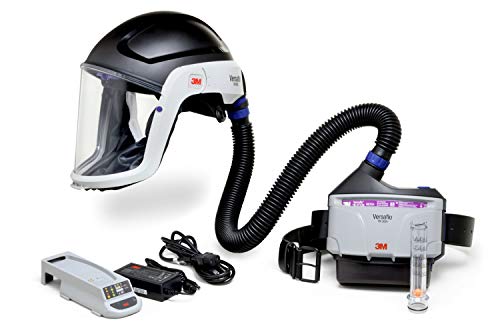
KIT INCLUDES: Respiratory hard hat assembly, PAPR unit, battery and charger, belt, particulate filter, filter cover, spark arrestor, pre-filter, breathing tube, and airflow indicator

KIT INCLUDES: Medium/Large headtop headcover, length-adjusting breathing tube and cover, TR-302N PAPR unit, easy clean belt, high capacity battery and charger, filter, prefilter, and airflow indicator

PROTECTION AGAINST dust, mist, fumes, radionuclides and radon daughter – ideal for lead, asbestos, mold and other hazardous particulates
Daily Cleaning Practices During Sanding Projects
Keeping your sanding area clean and safe can feel like a real challenge. So, what’s the best way to tackle the dust that inevitably comes with the territory? Start by switching up your sweeping technique. Gentle brooms are a great alternative to push brooms because they help minimize dust in the air during cleanup.
Another tip: regularly check and clean your Shop-Vac filter. This will maintain optimal suction and ensure effective dust control, especially after some serious sanding. After you’ve done a big project, take a moment to assess dust levels and adjust your cleaning routine if needed. It’s all about keeping your workspace tidy and safe.
Don’t overlook damp cleaning methods, too. Using things like tack cloths or damp mops can really help pick up those fine dust particles that brooms just can’t catch. Honestly, it makes a noticeable difference in the air quality of your workspace.
So, why does this matter? A cleaner environment isn’t just about appearance; it contributes significantly to your overall productivity and safety while sanding. By implementing these daily cleaning practices, you can work with more confidence.
At the end of the day, it’s all about creating that safer and more productive atmosphere for your projects. Considering the use of non-marking rubber wheels for your equipment can help keep floors clean and dust-free during movement. What cleaning hacks do you swear by in your workshop?
How to Maintain Your Air Filtration System for Better Dust Control
Ever find yourself sandpapering indoors and noticing the dust settling like a thin blanket over everything? It can be frustrating. The key to keeping the air clean and free of that pesky dust is maintaining your air filtration system.
Start by checking and replacing those air filters regularly. Aim for every 3 to 6 months, sticking to the manufacturer’s instructions. This simple step can help fight off those airborne dust particles that seem to multiply when you’re working. Cleaning or swapping out pre-filters often is another smart move—doing this can stop them from clogging up, which in turn keeps your main filter running efficiently.
Have you noticed a dip in airflow or suction? That can make a significant difference in performance. Take a moment to inspect your system for any clogs or damage. You’ll want to integrate HEPA filters into your setup if you haven’t already. They do a fantastic job of capturing up to 99.97% of particles as small as 0.3 microns, making the air you breathe so much cleaner.
And let’s not overlook the workspace itself. Committing to a consistent cleaning routine can really elevate how well your filtration system works. A tidy area helps keep dust at bay and allows your air filtration system to do its job better. Models that include filter change reminders simplify maintenance routines and help ensure peak operational efficiency.
Recommended Products

Advanced HyperHEPA Filtration: Designed to remove and trap 99.995% of all airborne particles down to 0.003 microns, the Atem X supplies unequaled protection against dust, pollen, pet dander, smoke from wildfires, and more. True HEPA filtration

One Dri-Eaz HVE 3000 Portable Flood Pumper (F479) Extractor Vacuum with Auto Pump-Out and 12-Gallon Tank

3-Stage Filtration System: AlorAir Cleanshield HEPA 550 Air Scrubber build with Airflow 270-550 CFM with Variable Speed as a portable HEPA air purifier. It can be used with up to 3 levels of filtration, pre-filters, activated carbon/HEPA filters.
Troubleshooting Common Dust Issues When Sanding Indoors
Sanding indoors can really turn into a mess when it comes to dust. Even if you’ve got a solid air filtration system, dust can still sneak in. So, how can you tackle this problem? First off, make sure all the connections between your sanding tools and dust collection systems are tight. Loose spots can let those pesky particles escape when you’re trying to keep things clean.
Next, don’t forget to check for clogs in your dust collection systems and shop vacuum filters regularly. Blockages can seriously cut down on suction power, which means more dust will settle around your workspace. And speaking of tools, always use high-quality adapters to ensure a snug fit between your sander and vacuum. It might seem small, but every little detail counts.
Airflow can also play a big role in controlling dust. Adding fans or exhaust systems might be exactly what you need to steer dust towards collection points, helping keep the area clearer while you work. Using hoses with abrasion-resistant covers for your dust collection setup can also improve durability and performance. So, why does this matter? It’s simple: a dust-free environment leads to better results in your project.
To wrap it up, keeping dust at bay while sanding indoors takes a bit of effort but is definitely worth it. Have you tried any of these tips, or do you have your own go-to methods for managing dust?
Recommended Products

Chips and dust collect into a metal drawer that is easy to empty, and the high-temperature filter (90% of 50-micron particles) is replaceable

Efficient Sanding: VEVOR 10" benchtop drum sander features a 1HP powerful motor, 1725 RPM running speed and a sanding sheet, delivering uniform, high-efficiency sanding. Handles boards up to 10" wide and 1/32"–3" thick for smooth finishing and fine sanding
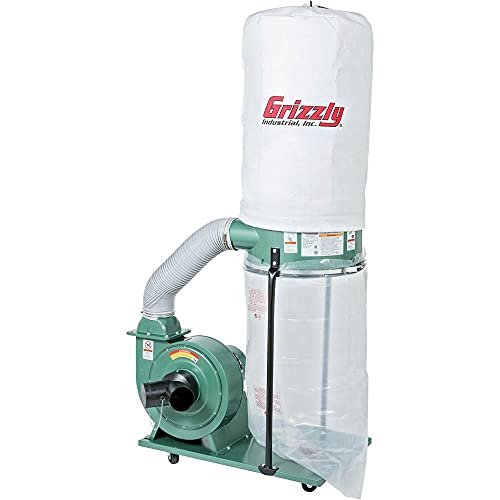
Motor: 1-1/2 HP, 120V/240V, single-phase, 3450 RPM, prewired 120V
Frequently Asked Questions
How to Keep Dust Down When Sanding Indoors?
To keep dust down when sanding indoors, we should use effective dust containment techniques, compare sanding tools, utilize air filtration systems, wear protective gear, organize our workspace, and guarantee thorough post-sanding cleanup. We’ve got this!
How to Sand Without Getting Dust Everywhere?
To sand without getting dust everywhere, we’ll use effective sanding techniques combined with dust containment methods, wear protective gear, set up air filtration, prepare the workspace, and adopt thorough cleanup methods for a cleaner finish.
How to Deal With Sanding Dust?
To deal with sanding dust, we can use dust collection systems and vacuum attachments, implement effective sanding techniques, wear dust masks, enhance air filtration, and maintain workspace organization for a cleaner, healthier environment.
How to Make Sand Less Dusty?
To make sand less dusty, let’s embrace dust-free techniques. We’ll use effective sanding materials, prioritize dust collection, don personal protection gear, guarantee thorough surface preparation, and enhance ventilation methods. Together, we’ll breathe easier while working!


