As an Amazon Associate, we earn from qualifying purchases. Some links on this site are affiliate links at no extra cost to you. Our recommendations are based on thorough research and editorial judgment.


HVLP vs Airless: Choosing Based on Surface Size, Detail, and Overspray

Choosing the right sprayer for your project can feel overwhelming. Should you go with an HVLP or an airless sprayer? It really boils down to the size of the surface you’re working on, the detail you need, and how much overspray you can tolerate.
You may be interested


If you’re tackling a small, intricate job—like painting furniture or cabinets—HVLP sprayers are usually your best bet. They operate at around 10 PSI, giving you great control and very little overspray. You’ll find it’s easier to achieve that perfect finish without making a mess.
For larger areas, though, airless sprayers are where they really shine. They work fast, operating at 1500-3000 PSI, and can cover expansive spaces in no time. However, be ready for some paint waste; overspray can be an issue.
So, how do you pick the right one? Here are some things to consider:
- Surface Size: HVLP for small, detailed jobs; airless for big, open areas.
- Detail Work: If precision is key, HVLP is your go-to sprayer.
- Overspray Tolerance: Think about how much cleanup you’re willing to do afterward.
Frankly, it’s all about matching the sprayer to your project’s needs. You’ll not only save time but also ensure a smoother finish.
And don’t forget, maintaining these tools properly can make a world of difference in how well they perform.
Got a project coming up? Hope this helps you make a more informed decision! Which sprayer are you leaning toward?
Key Takeaways
- Project Size: Choose HVLP sprayers for small, detailed projects; opt for airless sprayers for large surfaces like walls or exteriors.
- Detail Requirements: HVLP sprayers deliver finer finishes, making them ideal for intricate tasks such as cabinetry and furniture work.
- Overspray Management: HVLP systems create less overspray, reducing cleanup, while airless sprayers require protective measures for surrounding areas due to increased overspray.
- Finish Quality: HVLP sprayers provide smoother finishes, whereas airless sprayers may cause texture issues like “orange peel” unless the correct spray tips are used.
- Cost Considerations: Factor in paint waste; HVLP sprayers are more budget-friendly due to lower overspray, while airless sprayers may incur higher hidden costs.
Choosing the Right Sprayer: HVLP vs. Airless
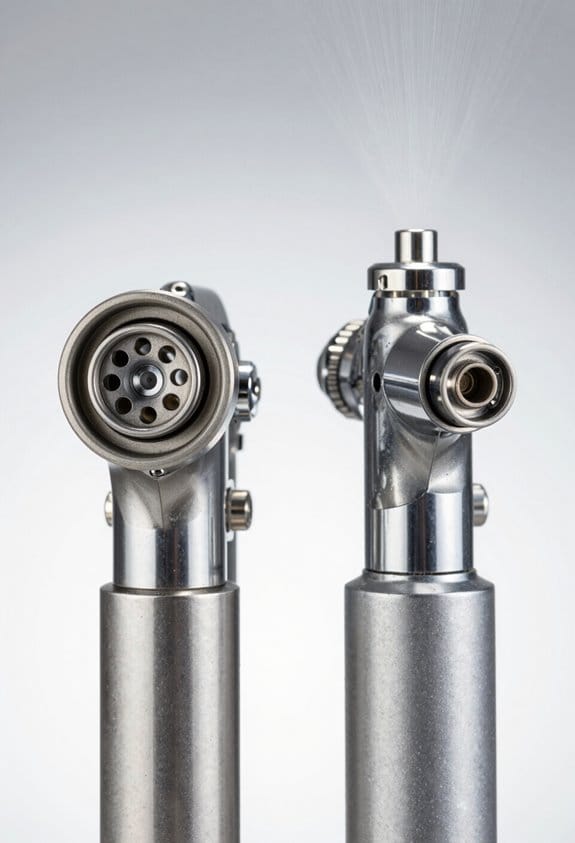
When you’re faced with the decision between HVLP and airless paint sprayers, it can feel overwhelming. What do you really need for your project?
HVLP sprayers shine when it comes to fine finishes. If you’re tackling something intricate, like cabinets or furniture, their ability to control the flow helps you get into those tiny details. Plus, they create less overspray, which means less waste and more paint saved. On the flip side, if you’ve got a big job ahead, airless sprayers might be your best bet. They work at high pressures, making quick work of larger spaces. Think about it—covering a large wall or an entire room is no contest for an airless sprayer.
Don’t forget about the type of paint you plan to use, either. For thinner materials, HVLP is usually the best option. But if you’re dealing with thicker paints, airless sprayers can handle that with ease.
It’s also important to consider that HVLP sprayers typically operate at lower pressures (30-50 PSI), which helps deliver a fine mist finish ideal for detailed work.
So, what’s the bottom line? Take a good look at what you need for your project—what’s the surface finish you’re aiming for, and how big is your task? Choosing the right sprayer means nailing these details for the best possible results.
In the end, it’s all about picking the tool that fits your specific project. Ready to get started on that next painting adventure?
Recommended Products
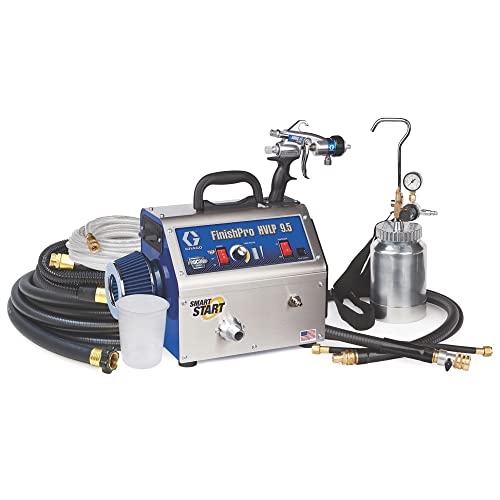
GRACO 17N269 - Finish Pro HVLP 9.5 ProComp Series Sprayer, 25 PSI

6 Stage Motor: Delivers exceptional power with a maximum PSI of 11.5. Allowing you to atomize virtually all coatings undiluted, ensuring even coverage and a stunning finish

Comparing Cost, Efficiency, and Application: HVLP vs. Airless

Choosing between HVLP and airless paint sprayers can feel a bit overwhelming, especially if you’re trying to figure out which one fits your project best. Ever been frustrated with a sprayer that just doesn’t deliver the results you want? Well, let’s break it down.
When it comes to cost, HVLP sprayers really stand out. They generally don’t hit your wallet as hard since they have lower initial costs and don’t require much maintenance. This makes them a great option if you’re planning a small to medium-sized project. On the flip side, airless sprayers might finish big jobs faster, but they often lead to more overspray, which means wasting more paint. That could add up quickly if you’re not careful with your budget.
Now, let’s talk efficiency. HVLP sprayers usually operate at about 10 PSI and achieve around 90% transfer efficiency. That means a lot less paint gets wasted, which is a win for both your pocket and the environment. They also give you fantastic control and a flawless spray pattern—perfect for those detailed finishing touches.
So, why does this matter? If you need to cover a big surface area in a hurry, airless sprayers can definitely do the job efficiently. But keep in mind that they often prioritize speed over precision. For those projects that require a delicate approach, HVLP sprayers might just be your best friend. Many commercial airless sprayers operate at pressures ranging from 3300 to 5000 PSI to handle thicker materials and speed up the process.
In short, choose HVLP for smaller, detailed jobs where control is key, and consider airless for larger areas where time is of the essence. What kind of project are you planning next?
Recommended Products

The extra power allows for less thinning of viscous paints and achieves finer atomization5-Stage Turbine produces 9 5psi featuring Variable Speed Control Dial allows user to adjust motor speed

Professional Spray Gun features convenient side Pattern Control Knob to adjust size of fan pattern from small to large

Instant Response Electric Powered Gun Virtually Eliminates Spits
When to Use HVLP and Airless Sprayers

Choosing the right sprayer can make a huge difference in your project outcomes. If you’re looking to tackle detailed tasks like painting furniture or trim, HVLP sprayers are your best bet. These sprayers operate at a low pressure, around 10 PSI, which gives you better control and reduces overspray. You’ll get a smooth finish that honestly makes your work stand out.
Now, when it comes to larger surfaces, like walls or the exterior of a house, airless sprayers are the way to go. They work at much higher pressures, from 1500 to 3000 PSI, allowing you to cover big areas quickly. The best part is they can handle high viscosity materials without requiring you to dilute the paint, which means you get more done in less time.
Here’s the trick: If you’re working on something intricate, take your time with the HVLP sprayer. And if you’re up against a huge wall, just whip out the airless sprayer and let it do the heavy lifting.
Many airless sprayers also offer adjustable pressure controls to help customize the flow and finish for different project needs.
Recommended Products

Perfect for projects that require ultimate control

Professional Spray Gun features convenient side Pattern Control Knob to adjust size of fan pattern from small to large

CONTROL PAINT FLOW: Fully adjustable pressure to give you ultimate control of paint flow for any project size; RAC IV SwitchTip allows you to reverse the tip when clogged to keep you spraying, Tackle all rental property and large interior projects with the ability to spray thicker materials and eliminate downtime with fast, on-the-job pump swaps.
Why Airless Sprayers Excel in Large Projects
Are you diving into a large painting project and feeling unsure about the best tools to use? Airless sprayers might look intimidating at first with their high pressure, but they can be a lifesaver when you’re tackling big jobs where speed and efficiency really matter.
These sprayers operate between 1,500 and 3,000 PSI, which means you can cover large areas—think exterior walls or big rooms—in no time. They’re particularly great with thicker paints like latex because they can handle different viscosities without needing to water them down, making your workday way more productive. Plus, the fine mist they create ensures you get an even coat across those expansive surfaces.
Here’s a tip: one of the best parts about airless sprayers is that you can paint directly from the paint container. This not only cuts down on prep time but also streamlines the entire process. But don’t forget, there’s a downside; they do produce more overspray compared to HVLP systems. This means you’ll need to plan carefully and protect surrounding areas during your project. For cleaning and maintenance, consider using tools with corrosion-resistant blades similar to those of stainless steel putty knives to ensure longevity and durability after use.
Selecting a Sprayer Based on Project Size and Detail
When you’ve got a painting project on your hands, figuring out which sprayer to use can feel a bit overwhelming. Ever stood in front of a wall of sprayers and wondered which one’s right for your project? The secret really lies in the area size and how detailed you need to get.
For smaller jobs, like sprucing up cabinetry, HVLP sprayers are your best friends. They provide amazing detail and finish quality, letting you work with finesse. Plus, they throw out a fine mist that cuts down on both paint waste and the amount of masking you need to do indoors. On the flip side, if you’re facing a larger project, airless sprayers are the way to go. They cover big areas in no time, making them perfect for things like fencing or siding. And the best part? They handle thick materials with ease, something HVLP sprayers can struggle with.
So, how do you choose between HVLP and airless? Here are a few key points to consider:
- Project Size: Small jobs? Go HVLP. Larger areas? Aim for airless.
- Detail Level: Want precision? HVLP has your back.
- Viscosity: If you’re working with thicker paint, airless is the better bet.
Honestly, balancing speed and quality can be tricky, but understanding your project’s needs makes it simpler. Many HVLP sprayers come with adjustable nozzle sizes, which helps in handling various paint viscosities and achieving that perfect finish. At the end of the day, it all comes down to matching the sprayer to what you’re working on. What are you planning to paint next?
Recommended Products

The RotoFlex pump is a rugged pump with a unique flow-through design; delivers smooth material flow for uniform coverage & consistent spray pattern


Multi Functional Spray Machine: Pneumatic spraying machine can spray polyurea and polyurethane raw materials, with multiple uses, widely used in roof and basement waterproofing, industrial maintenance, cold storage insulation, wall insulation, etc
Overspray Concerns: How HVLP and Airless Sprayers Compare
Ever started a painting project and found yourself worrying about overspray? You’re not alone! Understanding the differences between HVLP and airless sprayers can make a huge difference in how your project turns out. HVLP sprayers operate at a low air pressure, around 10 PSI, which helps keep the overspray to a minimum. This makes them perfect for indoor work where precision is key. You’ll find you waste less paint, which is great for your budget, especially when tackling detailed jobs.
On the flip side, airless sprayers pack quite a punch. They can reach pressures up to 3,000 PSI, allowing them to cover large areas quickly. The downside? This high pressure creates a fine mist that can get messy, resulting in overspray that can hit unintended surfaces. That means, if you’re not careful, you could lose 25% to 50% of your paint!
So what should you consider when choosing a sprayer? Think about the size of your project and how detailed it is. For smaller spaces or intricate work, an HVLP sprayer might just be your best bet. If you have a big exterior job, an airless sprayer could save you time. Additionally, having adjustable flow control can optimize paint output and minimize overspray, improving precision on all types of projects.
Ultimately, picking the right sprayer can mean the difference between a smooth finish and a frustrating clean-up. Have you thought about how much time and effort you want to invest in your projects? Make the right choice and watch your painting efforts pay off!
Recommended Products


Ultra Max II 495 PC Pro Electric Airless Sprayer, Stand New 2019 Model!!!

Understanding Finish Quality From HVLP and Airless Sprayers
When you’re tackling a painting project, the finish quality can really make a difference. Let’s dig into how HVLP and airless sprayers compare when it comes to getting that perfect look. If you’re working on detailed pieces like cabinets or furniture, HVLP paint sprayers might be your best bet. They give you a super smooth finish because they use lower pressure, which means less overspray and waste. Who doesn’t want a uniform coat that looks professional?
On the flip side, if you’re handling larger areas, airless sprayers come into play. They’re great for applying thicker coatings quickly, but you might end up with a finish that’s a bit uneven, often described as having an “orange peel” texture. The quality you get with airless sprayers really hinges on the spray tip you pick—fine finish tips can help improve atomization and surface quality significantly. So, why does this matter? If finish quality is crucial to your project, HVLP sprayers generally deliver better results.
The best advice? Choose the right tool for the job. If you’ve got a small project or need detail work, go with HVLP. But if you’re painting a big wall or an entire room, an airless sprayer can save you a lot of time.
In the end, think about what you’re painting and what finish you’re after. Do you need precision or speed? Making that choice is key to getting the result you want. What projects do you have lined up that might require one sprayer over the other?
Also, consider that some airless sprayers can handle unthinned paint and accommodate large projects, providing versatility for different painting needs.
Sprayer Maintenance Tips
You ever start a project only to realize your paint sprayer isn’t working as it should? Proper maintenance can really make a difference in keeping your sprayer running smoothly and extending its life.
For HVLP sprayers, flushing them with clean solvent right after use helps prevent pesky paint build-up. If you’re using an airless sprayer, make sure to run clean water or solvent through the system immediately after spraying. It’s such an easy step, yet it keeps your equipment from jamming and helps your spray tips last longer. Honestly, would you want to deal with a jammed sprayer in the middle of a job? I didn’t think so.
Regularly check those airless sprayer tips for wear and tear. If you spot any damage, replacing them is key to making sure your paint goes on evenly and minimizes overspray. No one likes a messy paint job, right?
When it comes to storage, find a dry spot for your sprayers and ensure they’re squeaky clean. This simple habit helps prevent clogs and keeps everything in working order for your next project.
Also, using specialized cleaning tools like the HomeRight Rapid Clean Tool can make maintenance quicker and more effective, ensuring your sprayer stays in top condition.
Just remember, following these maintenance tips will keep your sprayer in great shape. Got any sprayer maintenance tips of your own? Let’s keep the conversation going!
Cost Considerations for HVLP and Airless
When you’re diving into your next painting project, it’s hard to ignore the elephant in the room: cost. HVLP sprayers tend to be budget-friendly since they typically come with just a spray gun and an air compressor. If you’re tackling DIY projects, these sprayers are an excellent choice. On the flip side, airless paint sprayers will hit your wallet a bit harder. They come packed with extra components like paint pumps and drive motors, which can drive up that initial price tag.
Now, let’s talk about efficiency. HVLP systems really shine in this area—they minimize paint costs and waste thanks to less overspray. This is great for those who are looking to stretch their dollar. But here’s a catch: airless sprayers have a powerful spraying ability, which means they can sometimes cause more paint waste. So, if you’re curious, why does this matter?
When deciding which sprayer to go for, consider the size of your project. If you’ve got a big job lined up, investing in a more expensive airless sprayer might pay off in the long run. However, for smaller, detailed applications, sticking with an HVLP sprayer is probably the more cost-effective route.
The best part is, whatever you decide, make sure it suits how you plan to use it. After all, the right choice can make your project smoother! Additionally, maintaining tool efficiency through proper care and choosing the right equipment can extend the lifespan and performance of your painting tools.
Making the Right Choice: Matching Sprayer to Project Needs
How do you figure out which paint sprayer is right for your project? It’s really all about understanding what you’re working with. If you’re refinishing some furniture or tackling smaller detailed projects, HVLP sprayers are your best bet. They’re fantastic for precision work and they create minimal overspray. Plus, they work well with thinner paints, which means you save product and cut down on waste—who doesn’t love that? Now, if you’re tackling big jobs, like painting the exterior of your house, consider an airless sprayer. These beauties can handle thick materials without needing to dilute them, and they can cover large areas in no time. So really, it’s key to pick the right sprayer based on what you need to accomplish; it’s all about balancing detail with how much area you’ve got to cover.
Here’s the trick: think about your project scope first. Ask yourself, “What am I painting, and how big is the space?” By matching the sprayer type to your needs, you’ll boost your paint efficiency and ensure the finish looks great. After all, putting in the effort is just the first step; getting the right tools can make all the difference in your results. For example, selecting a sprayer with adjustable nozzles and spray patterns can dramatically improve your control over the finish quality.
Frequently Asked Questions
Which Has Less Overspray, HVLP or Airless?
When it comes to overspray, HVLP’s advantages shine through. It offers better detail finesse and spray pattern control, while airless sprayers have disadvantages, especially in smaller surfaces. Plus, we save on material costs with HVLP.
Do Touch up HVLP Have a Lot of Overspray?
Touch-up HVLP doesn’t create a lot of overspray. Its advantages in spray patterns and paint consistency, combined with surface preparation and equipment maintenance, enhance project efficiency and guarantee excellent overspray control during our tasks.
How Much Overspray From HVLP?
When we use HVLP sprayers, overspray can be as low as 10% with proper HVLP techniques. Effective overspray management includes surface preparation, selecting the right nozzle sizes, and adjusting application distance to enhance finish quality.
What Paint Sprayer Has the Least Overspray?
For minimal overspray, we recommend HVLP sprayers due to their effective overspray reduction and compatibility with various surface types. Their precise application techniques enhance project efficiency while considering environmental impact and finishing options, regardless of paint thickness.


