As an Amazon Associate, we earn from qualifying purchases. Some links on this site are affiliate links at no extra cost to you. Our recommendations are based on thorough research and editorial judgment.

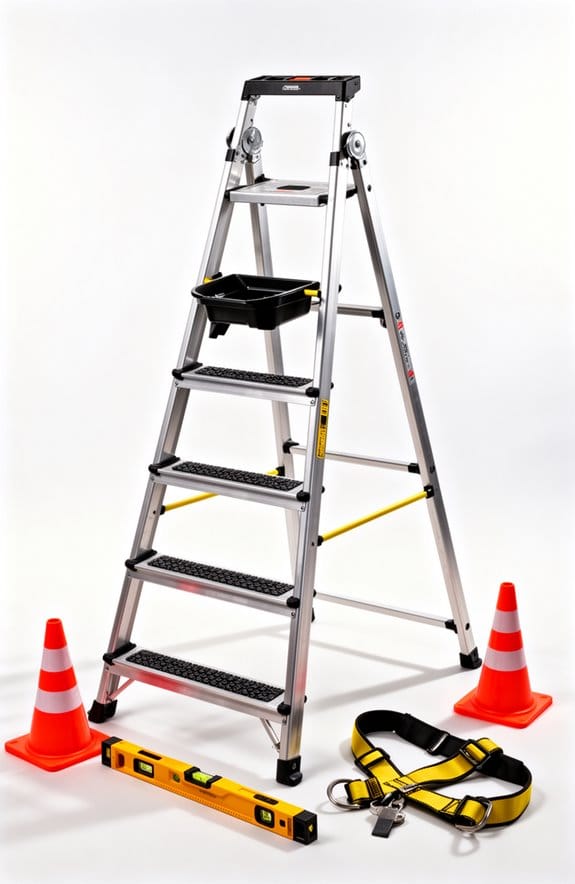
Ladder Safety for Painters: Common Mistakes and Better Habits

Ladder safety can be a real concern for painters. We often rely on ladders for those hard-to-reach spots, but sometimes we forget just how risky things can get. Before you even think about climbing, take a moment to give your ladder a good inspection. Look for cracks or any signs of damage that could make your ascent a little sketchy.
You may be interested


When climbing up, remember to always keep three points of contact. This means you should have either two hands and one foot on the ladder or two feet and one hand. It’s all about stability and balance. The last thing you want is to lose your footing.
Choosing the right ladder can also make a huge difference. Make sure it extends at least three feet beyond the edge it rests on. If it doesn’t, you might be setting yourself up for trouble. It’s just basic physics, right? It’s not worth risking a fall just because you didn’t pick the right ladder.
So, why does this matter? Every time you work on a ladder, you’re putting yourself in a higher-risk situation. By adhering to these safety tips, you can greatly reduce the chances of an accident and work more comfortably at different heights. It’s about setting good habits for yourself on the job.
In the end, staying safe while using a ladder isn’t just about following the rules. It’s about making sure you go home in one piece after a long day of work. Have you taken the time to check your ladder before your next job?
Key Takeaways
- Always maintain three points of contact while climbing to enhance stability and prevent falls.
- Conduct a thorough inspection of the ladder for defects before each use.
- Choose the appropriate ladder type and ensure it meets safety standards for your project.
- Position the ladder on a firm, level surface and follow the 4-to-1 angle rule for stability.
- Prioritize safety training to recognize common mistakes and promote proper ladder use.
Common Ladder Safety Mistakes Painters Make

Ladders are essential for painters, but they can quickly become a hazard if you’re not careful. So, why is ladder safety a big deal? It all boils down to preventing accidents. Here are some key ladder safety tips that could save you from a nasty fall.
First off, avoid using the top step. It’s not meant for support and can seriously increase your risk of falling. Instead, make sure you keep three points of contact with the ladder at all times. This could mean two feet and one hand on the ladder or two hands and one foot—whichever feels sturdier for you.
Before you even think about climbing, do a quick check of your ladder. Look for any signs of wear or damage, and clear off any debris. A shaky ladder can tip over fast, and nobody wants that. Also, resist the urge to overreach. It’s easy to think you can just stretch a little further, but that can lead to some dangerous tipping.
When you place your ladder, keep the 4-to-1 rule in mind. For every four feet of height, the base should be one foot away from the wall. Doing this can really help you maintain stability when you’re up there painting.
For improved safety, consider ladders or platforms that come with anti-slip surfaces to enhance grip and prevent slips.
Keep these tips in your back pocket next time you’re working with ladders. The best part is that they’re simple to remember, and they can make a real difference in keeping you safe. So, before you start your next project, just pause for a second and think about ladder safety. What steps can you take today to paint safely tomorrow?
How to Inspect Your Ladder Before Use

Before you take that first step on a ladder, have you ever stopped to truly check it out? It’s super important to give your ladder a good look-over every single time you plan to use it. There are a few key things to keep an eye on.
Start by inspecting for cracks, bent rungs, or any other damage that could put you at risk. If see anything off-kilter, that could spell trouble. Make sure all the safety labels are visible and that they’re still intact. Also, double-check that the ladder can handle your weight along with any tools you might be carrying.
Another point to remember is to check for any slippery substances like grease or mud. Those can easily cause a slip when you’re trying to climb. So, why does this matter? Because keeping yourself safe should always come first!
If you spot any issues, don’t hesitate to mark those ladders with a “Do Not Use” sign and take them out of service right away. It’s all about preventing any accidents.
In short, take a few moments to inspect your ladder before climbing—it’s well worth the effort. How do you keep your workspace safe? Additionally, consider using anti-condensation coatings on nearby surfaces to reduce moisture and improve overall safety in damp environments.
Choosing a Safe Ladder for Your Painting Job

Choosing the right ladder for your painting job can feel a bit daunting, can’t it? You want to make sure you’re not just reaching new heights literally, but doing it safely. When it comes to taller spaces, extension ladders are essential. For those more manageable, lower heights, an A-frame step ladder is just the ticket.
Before you set foot on that ladder, first things first—check its weight capacity. Don’t just consider your weight; add in the tools you’ll be carrying, too. Safety is non-negotiable here. And make sure the ladder extends at least three feet beyond the edge where you’re working. This extension gives you those necessary handholds when you’re getting on and off.
Now let’s talk pre-use inspection; this step is crucial. Take a close look for any cracks or loose parts that might put you at risk. Also, watch out for any slippery substances—those can turn a safe ladder into an accident waiting to happen.
Using the right ladder height can prevent unsafe practices while you’re painting. It’s all about maintaining stable positioning, right? Instead of leaning too far or stretching uncomfortably, you can focus on your work instead of worrying about balancing.
So, why does all this matter? Because those safe practices not only protect you but also make the painting process smoother and more enjoyable.
In short, choose wisely, inspect thoroughly, and keep safety top of mind. Remember to look for ladders with anti-slip feet to ensure stability on different surfaces during your painting tasks. What steps will you take to ensure a safe ladder experience on your next painting day?
How to Set Up Your Ladder for Maximum Stability
Setting up a ladder safely is a must when you’re painting. You definitely don’t want to end up in a precarious position, so here’s what you need to focus on. First off, always place the ladder on a firm, level surface. Trust me, a solid base is crucial to keep it from tipping over.
Okay, now here’s the trick: use the 4-to-1 rule for the ladder’s placement. For every four feet of the ladder’s height, position the base about one foot away from the wall. This keeps everything at a nice 75-degree angle. You might think this sounds tedious, but it’s worth it for your safety. You wouldn’t want the ladder to slide down or tip just when you’re reaching for that high spot, right?
Oh, and let’s talk power lines for a second. It’s vital to keep your feet clear of them while working. Trust me, you don’t want that kind of surprise while you’re up there.
Before you even think about climbing, take a good look at the ladder. Are there any cracks or damage? Are all the rungs intact? Taking a moment to inspect it can save you a lot of trouble later.
Need a little extra security? Tie the ladder at the top or ask a friend to hold the base while you’re working. Honestly, having someone there adds another layer of stability.
In short, taking a few extra minutes to set everything up right not only protects you but also makes the whole painting process smoother. So, next time you’re gearing up for a project, ask yourself: “Am I doing everything I can to stay safe?”
For extra precaution, always check that the ladder’s locking mechanisms are secure before climbing.
Climbing Safely: Maintaining Three Points of Contact
Climbing a ladder can feel a bit intimidating, right? It’s easy to think you can just hop up there and get the job done. But taking a moment to focus on safety is crucial. One of the most important rules is to maintain three points of contact. This means keeping either two hands and one foot or two feet and one hand on the ladder at all times.
Keeping your body centered is key! Try to position your belt buckle between the side rails of the ladder. This simple adjustment really helps you balance better and reduces the risk of tipping over. Ever noticed how leaning too far can throw you off? Facing the ladder while you climb is also a smart move—it helps you maintain a secure grip.
So, how can you make this easier? Ensure you’re wearing a tool belt or using a hoist to keep your hands free. This way, you can focus on maintaining those three points of contact without juggling tools. Honestly, following these practices isn’t just about being careful; it’s about making sure you get the job done safely.
The best part is that this advice aligns perfectly with the safety training recommended by ladder safety organizations. It’s all about fostering a safer work environment during ladder use. Remember, safety first means you can finish the job without accidents.
Additionally, choosing a ladder with anti-slip foot pads enhances your overall stability while climbing.
Want to climb safely? Keep these tips in mind next time you’re working on a ladder! What other safety practices do you rely on?
Practices to Enhance Your Ladder Use Safety
When it comes to using ladders, avoiding accidents is key. So, what’s the first step? Always kick things off with an inspection. Take a moment to check the extension ladder for any signs of damage, like cracked rungs. You wouldn’t want to find out something’s wrong when you’re already up high, right?
Choosing the right ladder for the job is another vital step. It has to support your weight and the materials you’re working with. Just think about it: if your ladder can’t handle what you throw at it, you’re putting yourself at serious risk.
Now, let’s talk about positioning. It’s not just about plopping it down anywhere. You need to place it on a solid surface and follow the 4-to-1 rule for proper angling. That means for every four feet of height, the base should be one foot away from the wall. Simple, but effective!
While you’re climbing, maintain three points of contact—either two hands and one foot or two feet and one hand. This little trick keeps you stable. Honestly, it can make all the difference if you feel yourself swaying.
Lastly, never move the ladder while you’re still on it. Step down completely before repositioning. Those risky little moves can lead to falls, and trust me, it’s not worth it.
To wrap it up, a little preparation goes a long way in ladder safety. Remember to also select a ladder with non-slip wide pedals and anti-slip feet to prevent accidents. So, how do you plan to keep safe the next time you tackle a project?
Frequently Asked Questions
What Are the Common Mistakes While Using a Ladder?
We often overlook ladder inspection techniques, secure ladders safely, and forget proper ladder angles. It’s essential we recognize fatigue signs, avoid distractions, and use stabilizers effectively while considering ladder height and grounding bases.
What Are 5 Ladder Safety Rules?
We should always adhere to these five ladder safety rules: guarantee proper ladder positioning techniques, conduct thorough ladder maintenance, select suitable portable ladder types, respect loading limits, and use safety equipment to enhance stability and safety.
What Safety Precautions Do Painters Need to Follow?
While we paint, we mustn’t overlook safety. Regular ladder inspections, proper footwear, and safety gear enhance our stability. Ladder positioning is critical for fall prevention, so let’s maintain equipment and stay aware of emergency protocols.
What Is the 4 Rule for Ladders?
The 4-to-1 rule means we place the ladder one foot away from the wall for every four feet of height, ensuring proper angles and stability. Regular maintenance checks and using safety gear enhance fall prevention.


