As an Amazon Associate, we earn from qualifying purchases. Some links on this site are affiliate links at no extra cost to you. Our recommendations are based on thorough research and editorial judgment.


Respirators and Filters Explained for Painting and Spraying

When you’re painting or spraying, safety should be your top priority. Ever wonder what’s really protecting you from those harmful fumes and particles? Respirators are a must-have for anyone involved in these projects.
You may be interested


It’s important to use NIOSH-approved products, and picking the right filter rating can make all the difference. For solvent-based paints, don’t skip the P100 filters paired with organic vapor cartridges. It’s a combo that can really safeguard your lungs against harmful substances.
Now, let’s talk about fit. You can have the best gear in the world, but if it doesn’t fit well, you’re not fully protected. Always perform fit checks to ensure you have a good, airtight seal. Regular inspections will keep everything in shape, so make it a habit.
Also, make sure to follow the manufacturer’s instructions for how to put everything together and keep it maintained. Here’s the trick: keeping your respirator clean not only helps it function better but also extends its lifespan.
So, why does this matter? Because proper use of your respirator can significantly reduce health risks over time. I’m all for doing DIY projects safely, and that includes knowing how to select and maintain your equipment.
In short, make respirators part of your painting and spraying routine. The best part is that a little prep goes a long way in keeping you safe.
Have you checked your respirator lately?
Key Takeaways
- Respirators protect against harmful chemicals and particles in paint fumes, crucial for health during painting and spraying activities.
- Selecting the right filters involves recognizing specific hazards like dust and organic solvent vapors present in the environment.
- P100 filters, combined with organic vapor cartridges, are essential for removing nearly all airborne particles from solvent-based paints.
- Proper fitting and regular maintenance of respirators ensure effective protection by providing a tight seal and preventing harmful exposure.
- Understanding and adhering to OSHA training recommendations and MSDS guidelines supports safe respirator use and compliance in painting tasks.
Why Respirators Are Essential in Painting

When you’re painting, have you ever thought about what’s actually in those fumes? It’s essential to remember that respirators are your first line of defense against harmful chemicals and particulates. These masks don’t just make you look like a pro; they provide vital protection from organic vapors released by paints and solvents that can lead to some serious health problems down the line.
But it doesn’t stop there. Two big dangers during painting are dust and overspray mist, especially when you’re sanding or spraying. Those can really mess with your respiratory health. To stay safe, make it a habit to regularly check your filters and cartridges. This isn’t just a good practice; it’s something OSHA requires, too.
Here’s the trick: make sure your respirator actually fits right. If there’s any air leaking in, it compromises the mask’s effectiveness. It might feel a bit uncomfortable at first, but trust me, it’s worth it for that peace of mind. And while you’re at it, get familiar with proper usage through regular training. It not only keeps you safe but also makes the whole environment safer for everyone else. Choosing a respirator with NIOSH-certified filters ensures you have reliable protection suited for your specific project needs.
Recommended Products
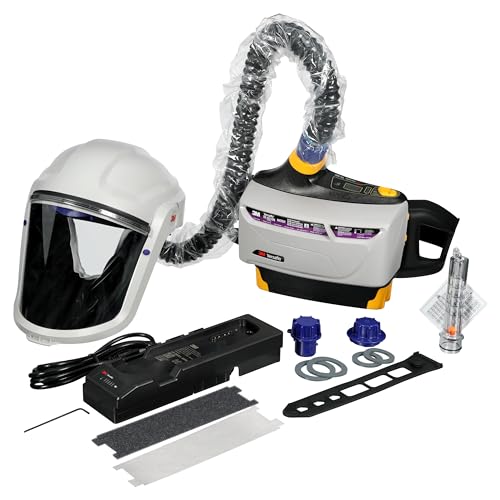
KIT INCLUDES: Respiratory face shield assembly, intrinsically safe PAPR unit and battery, battery attachment tool, breathing tube and cover, easy clean belt, TR-6510N OV/HE cartridge and cover, charger, airflow indicator, and storage and cleaning kit
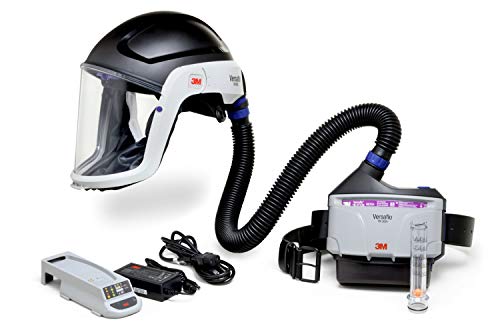
KIT INCLUDES: Respiratory hard hat assembly, PAPR unit, battery and charger, belt, particulate filter, filter cover, spark arrestor, pre-filter, breathing tube, and airflow indicator

KIT INCLUDES: Disposable hood, PAPR unit, high capacity battery and charger, easy clean belt, high efficiency filter, spark arrestor, pre-filter, length adjusting breathing tube and cover, and airflow indicator
Decoding Filter Ratings for Your Health

When it comes to protecting your lungs, understanding filter ratings can feel overwhelming. Why should you care? If you’re serious about your respiratory safety, knowing the ins and outs of respirator filters is key.
Respirator filters come with letters and numbers that tell you about their oil resistance and how effective they are at filtering out harmful particles. Just think about it: ‘N’ means not resistant to oil, ‘R’ is resistant, and ‘P’ is oil-proof. The numbers, like 95 or 100, indicate the filtration efficiency. For instance, a P100 filter gets rid of 99.97% of airborne particles. That makes it a solid choice for keeping you safe from hazardous dust and fumes while you work.
The best part is, you want to select filters that are NIOSH-approved since that means they meet safety standards set by OSHA. It’s all about making sure you’re adequately protected. Start by identifying the specific hazards in your workplace to guide your filter choices.
Here’s the trick: Always pick the right filter based on the tasks at hand. Are you painting or spraying? Then you really need to gear up with the right respirator. Frankly, this isn’t just about compliance; it’s about your health and well-being.
Additionally, consider respirators with features such as adjustable head straps to ensure a secure and comfortable fit during extended use.
Recommended Products

The 3M 60923 Organic Vapor/Acid Gas Cartridge/Filter is a P100 approved filter that provides protection against certain organic vapors, acid gases, and particulates.
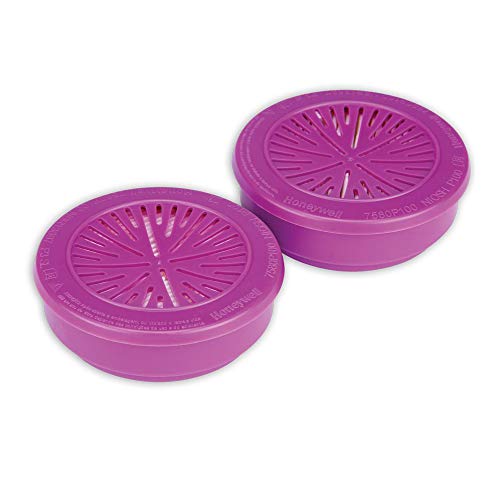
Made in united states

NIOSH APPROVED for use against certain organic vapors. This includes painting and other applications where organic vapors are present
Choosing the Right Respirators for Your Needs

How can you be sure you’re picking the right respirators for painting and spraying tasks? It really starts with knowing what’s in your work environment. Are you dealing with dust? P100 filters should be on your radar. If it’s organic vapors or solvent fumes, you’re going to want those multi-gas cartridges to keep you safe.
Think about what type of respirator works for your situation too. Disposable N95 masks can work fine for quick jobs, but if you’re going to be in hazardous areas for a while, a reusable elastomeric respirator is the way to go. You’ll get a better seal and longer-lasting protection, which is super important.
Don’t forget to do fit testing and seal checks on your respirator. This step is crucial to make sure you have that solid barrier against contaminants. And, here’s a pro tip: check the safety data sheet (SDS) for your materials. It’ll tell you exactly what kind of respiratory protection you need.
Also, prioritize respirators with NIOSH-approved models to ensure compliance and effective filtration for your safety.
Recommended Products

NIOSH APPROVED P100 particulate filter for respiratory protection against certain oil- and non-oil based particulates.

Complete Package Contents: Includes 10 pairs (20 total filters) for extended respiratory protection use

Provides 99.97% filtration of airborne particles and oil aerosols
How to Select the Correct Filters and Cartridges
Selecting the right filters and cartridges for painting and spraying tasks isn’t just about comfort; it’s about keeping yourself safe and healthy. Have you ever thought about what you’re really breathing in while working? Identifying the right hazards—like dust particles or solvent vapors—is a key first step.
For anyone working with solvent-based paints, combining P100 filters with organic vapor cartridges is an essential move. These P100 filters are top-notch, boasting an efficiency of 99.97%, which means they’ll catch those pesky dust and fibers you definitely don’t want in your lungs. Plus, it’s smart to stick with NIOSH-approved products to ensure you’re getting reliable quality.
You should definitely check out the Material Safety Data Sheet (MSDS) for any specific filter recommendations. These sheets give you the lowdown on the protection you need based on what chemicals you’re handling. Seriously, it’s all about making informed choices to keep yourself safe.
Now, let’s talk about fit. Checking how your respirator fits is crucial. Even a tiny air leak can compromise your safety. So, when was the last time you checked your gear? Making sure it’s snug is just as important as having the right filters and cartridges.
Additionally, using an air scrubber equipped with HEPA filtration can further enhance your working environment by removing airborne particles that respirators alone might not capture.
In the end, being smart about your safety gear means you can focus on your work without worrying about what’s in the air. Are you ready to take these steps for a safer workspace?
Recommended Products

3M recommended for relief against nuisance levels of organic vapor and acid gases (concentrations not exceeding OSHA PEL or applicable government occupational exposure limits, whichever is lower)

PROTECTION AGAINST dust, mist, fumes, radionuclides and radon daughter – ideal for lead, asbestos, mold and other hazardous particulates

NIOSH approved against certain organic vapors and non-oil and oil particulates
How to Fit and Assemble Your Respirator Perfectly
Fitting and assembling your respirator correctly is no small task, but it’s crucial to stay safe from harmful fumes and particles when you’re painting or spraying. Have you ever put on a mask and felt like it just wasn’t sealing right? The first step is making sure the face piece fits snugly. Picking the right size for your face shape can make all the difference.
Once you’ve got the right fit, check the manufacturer’s instructions to assemble your respirator. Pay close attention to ensure that the filters and cartridges are firmly in place. A simple mistake here could leave you unprotected.
Here’s the trick: always perform a fit check before diving into your project. Just cover your respirator with your hands and inhale. If you feel any air escaping, it’s time to adjust the straps. And remember, facial hair can mess with that seal. If you have a beard or mustache, you might want to reconsider how you’re wearing your respirator.
Regular inspections are key too. Honestly, taking a moment to look for any wear or damage can save you from potentially harmful exposure. If you spot worn parts, replace them right away. This keeps your respirator working effectively as essential protective gear.
Choosing a respirator with NIOSH approval ensures it meets rigorous safety standards for effective protection.
In the end, making sure your respirator fits perfectly isn’t just about comfort; it’s about your health. Are you ready to tackle your next painting project with confidence?
Recommended Products
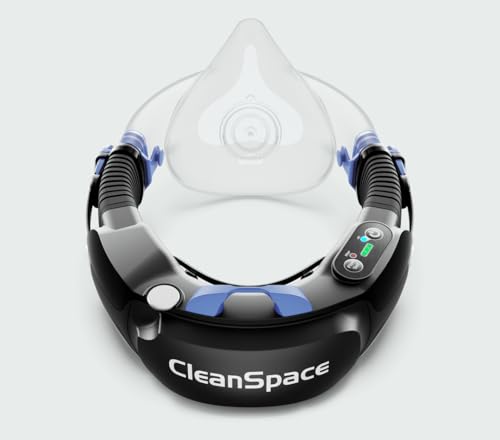
Compact and lightweight: (< 1lb) - easy to don and doff
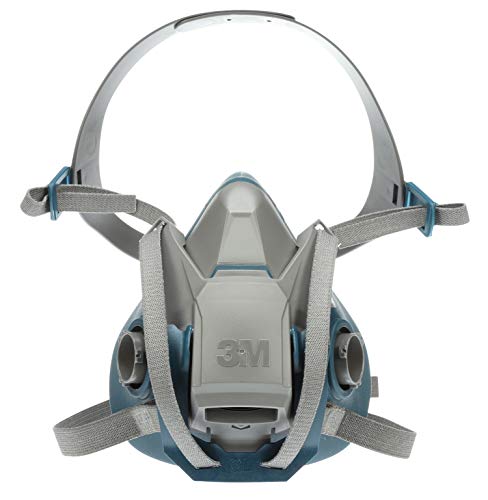

Can be adapted to papr or supplied air - flexible for multiple work environments. No need to inventory, train workers and fit test them on several respirators
Maintenance and Storage Tips for Your Respirators
When it comes to your respirator, how often do you think about maintenance and storage? It’s not just about having a good fit; it’s about keeping it in top shape so it can protect you effectively every time you use it.
Start by checking your respirator for any signs of damage before each use. Make sure all the parts are working as they should. Doing a quick fit check is essential for ensuring that tight seal—you really want to make sure you’re safe from harmful air.
Cleaning is another crucial part of the process. Regularly scrub and disinfect your respirator following the manufacturer’s instructions. It seems like a chore, but maintaining hygiene is key to getting the most out of your gear.
As for storage, think carefully about where you put your respirator. It’s best to keep it in a covered, dry spot, away from harsh sunlight and extreme temperatures. Treat it well, and it will last longer.
I also recommend keeping a log of when you use and clean your respirator. This can help you track its condition over time and ensure you’re staying compliant with safety standards.
Remember that filter replacement guidelines are important to maintain the respirator’s effectiveness, so replace filters regularly as recommended.
What Training Do You Need for Safe Respirator Use?
How can you be sure you’re using respirators safely and effectively? It all starts with the right training programs recommended by OSHA. You need to learn how to inspect and maintain your face respirator properly. Fit testing is crucial too; making sure your Half Facepiece Respirator forms a snug seal is what guarantees effective protection against harmful particles in the air.
Understanding the specific hazards in your workspace helps in selecting the right type of respirator and filters. Medical evaluations are also a must. They confirm you’re fit to wear respiratory equipment, which is no small thing! And don’t forget those annual training refreshers. They keep you up to speed with the latest safety standards and best practices in respiratory protection.
Additionally, knowing the differences in adhesive strength and material quality of protective tapes ensures proper sealing and contamination control during surface preparation for painting and spraying tasks.
Frequently Asked Questions
What Respirator Is Needed for Spray Painting?
For spray painting, we need a respirator with organic vapor cartridges and particulate filters. Ensuring proper mask fit is essential for air quality, protecting us from respiratory hazards and chemical exposure while prioritizing safety.
What Filters to Use for Spray Painting?
For spray painting, we recommend using P100 filters for particle capture and organic vapor cartridges for paint fumes. Ensuring a proper mask fit and meeting safety standards minimizes chemical exposure while maximizing filter efficiency.
Does OSHA Require a Respirator for Painting?
Yes, OSHA regulations require us to use specific respirator types when painting to protect against health hazards and guarantee safe exposure limits. Prioritizing painting safety is essential for our worker protection and overall well-being.
What Respirator Is Suitable for Painting?
We wouldn’t want to inhale paint fumes while pretending to be art critics, right? For safety, we should use a respirator with a proper facepiece fit, replacing cartridges frequently to meet safety standards and minimize health risks.


