As an Amazon Associate, we earn from qualifying purchases. Some links on this site are affiliate links at no extra cost to you. Our recommendations are based on thorough research and editorial judgment.


Spraying Cabinets: How to Plan a Clean “Spray Booth” in a Garage

Got a garage that needs some sprucing up for a spray booth? Let’s talk about how to set up a clean space for finishing cabinets. It’s crucial to get your airflow, lighting, and safety right, or you’ll run into headaches down the road.
You may be interested


Start by aiming for at least an 8′ x 8′ booth. You’ll want to ensure there’s about 100 CFM airflow for each square foot. This means installing exhaust fans and making sure they’re positioned well away from any filters to stop them from getting clogged. Nobody wants to deal with that mess.
Now, let’s discuss lighting because it makes a huge difference. Ideally, you should aim for 100-150 foot-candles of light. Explosion-proof fixtures are a must to keep everything safe while you’re working. Imagine trying to see your project and realizing you can’t—frustrating, right?
Safety gear can’t be overlooked, either. Make sure you’ve got respirators and goggles on hand when you start working. It’s tempting to skip the gear, but trust me, you don’t want to regret it afterwards.
So, why does this matter? A clean and organized spray booth keeps the job smooth and ensures professional-looking finishes.
As you dive into this project, just remember to take your time planning each detail, from airflow to lighting. Wrap it up with the right safety measures, and you’ll be on your way to a successful cabinet spray finishing experience. What’s your next project going to be?
Key Takeaways
- Dedicate a space of at least 8′ x 8′ for your spray booth, allowing for good airflow and room to maneuver.
- Ensure proper ventilation with a minimum of 100 CFM airflow per square foot, utilizing exhaust fans and makeup air openings.
- Use explosion-proof LED lights to maintain visibility, positioning them away from the spray area for safety.
- Maintain cleanliness by wet mopping before spraying, organizing the workspace, and regular cleaning of filters and exhaust systems.
- Equip yourself with appropriate safety gear, including a respirator, goggles, gloves, and a fire extinguisher for hazard management.
Benefits of a Spray Booth for Cabinet Finishing

Have you ever struggled with achieving a perfect finish on your cabinets? If you’ve been there, a spray booth might just be the solution you need. It’s amazing how this simple setup can improve your results.
A spray booth offers proper ventilation, which is crucial when dealing with those pesky volatile organic compounds (VOCs) and overspray. By managing these elements, you can breathe easier and enhance the air quality in your workspace. Plus, the booth guarantees consistent airflow—about 100 feet per minute—making it easier to achieve an even coat on your cabinets and reducing drying times significantly.
Here’s the trick: working in a dedicated spray booth minimizes the risk of color contamination. Without other particles in the air, you have a better chance of achieving a flawless finish every time you spray. This isolation not only makes your cabinets look great but also cuts down on the cleanup afterward. You can focus on your next project instead of scrubbing paint splatters off surfaces.
Frankly, a spray booth could be one of the best investments you make for your cabinet finishing. It improves both the quality of your work and the efficiency of your process. Isn’t that what we all want?
Additionally, setting up your spray booth with proper stability enhancements ensures a safer and more reliable workspace, reducing accidents during cabinet finishing.
Key Elements to Consider for Spray Booth Design

Creating an effective spray booth can feel overwhelming, right? But with a little planning, you can set yourself up for both safety and efficiency. First off, consider your booth dimensions. You’ll want it to be at least 8′ x 8′, but if you can, shoot for 10′ x 10′. It’ll give you way more elbow room while you work.
Next on the agenda is ventilation. Seriously, this is key. Aim for around 100 ft/min of airflow inside the booth. To achieve this, try using two box fans fitted with filter material. This setup not only keeps the air moving but helps keep harmful fumes at bay—definitely something to think about!
Lighting is another important aspect. Explosion-proof lights are a must. You want to ensure safety during your operations, especially since spray booths can be tricky environments.
Now, let’s talk about keeping things clean. You’ll want to store your drying rack separately from the spray area. This separation helps you avoid any nasty overspray contamination that could ruin your work.
And don’t forget to comply with local regulations! Maintaining correct airflow rates and using suitable materials is not just a good idea, it’s essential for your garage spray booth to run safely and effectively. So, why does all of this matter? It ensures you’re not just spraying paint but doing so in a way that protects your health and enhances your results.
In a nutshell, think carefully about your space and setup. Using airtight seal technology can also protect your supplies and materials from contamination in your storage area. Are you ready to dive into creating your booth?
Designing a Spray Booth for Optimal Ventilation
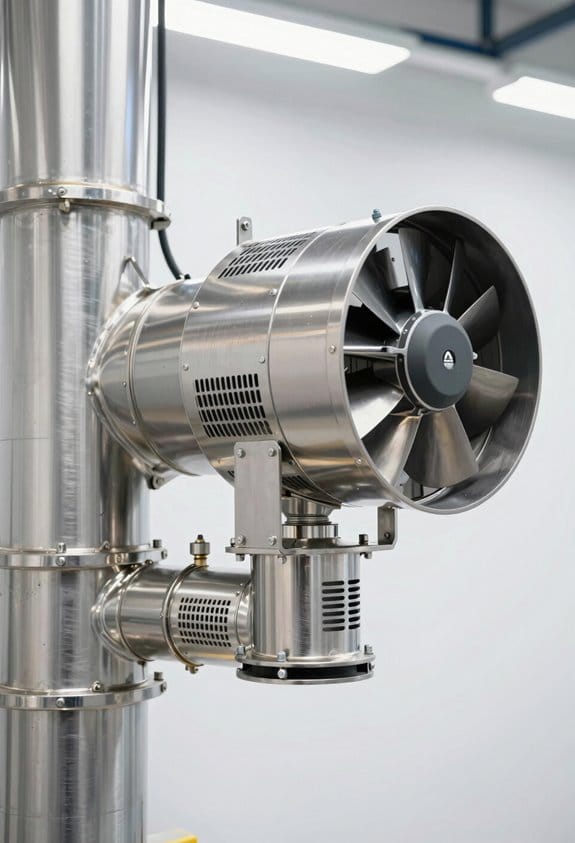
How do you make sure your spray booth has the right airflow? It can be tricky, but getting this right is crucial for a safe and effective workspace.
First off, aim for at least 100 CFM (Cubic Feet per Minute) of airflow for every square foot of your booth. This is essential for efficiently removing paint mist from the air. Think about where you’re placing your exhaust fans; avoid putting them directly in front of the filters. Why? Because that can clog them up, leading to less effective ventilation.
If you really want to boost your airflow, consider installing larger fans, like 18-inch tube axial fans. These can push out up to 3000 CFM, which can make a significant difference. Don’t forget about make-up air openings; they help keep the pressure balanced and reduce dust coming into the booth. You’ll want to aim for about 100 FPM (Feet per Minute) of airflow for everything to work smoothly.
Another thing to keep in mind is filtration. A dual-stage filter system can help catch airborne particles, but it’s crucial to regularly change those filters. Neglecting this can lead to reduced efficiency, and nobody wants that. This comprehensive ventilation setup is not just about comfort; it’s also vital for managing VOC (Volatile Organic Compounds) emissions and keeping your spraying area safe. Additionally, using low-odor, water-based paints during spraying can reduce harmful emissions and improve indoor air quality.
Lighting Considerations for Your Spray Booth
Ensuring proper lighting in your spray booth can feel overwhelming, especially when you’re trying to get that perfect finish on your projects. The right lighting not only brightens up your workspace but also helps you apply finishes with impressive precision. Aim for about 100-150 foot-candles of light—enough to see clearly without struggling against glare.
Here’s a tip: using explosion-proof LED lights is a great idea. They boost your safety while also being tough enough to handle the environment. Plus, consider painting your walls a lighter color or adding reflective surfaces. This can significantly reduce shadowing and improve light distribution. The goal is to create an even light across your workspace.
Now, let’s talk about light placement. You’ll want to position your lights smartly, steering clear of direct exposure to the spray area. This helps prevent any overspray contamination that could mess up that flawless finish you’re aiming for. And don’t overlook your lighting system’s upkeep; regularly cleaning fixtures and replacing burnt-out bulbs is essential. Keeping that light consistent will save you time and frustration in the long run.
Since spray booths often involve moisture and dust, choosing lights with a high IP rating ensures durability and safety in such challenging environments.
So, why does all this matter? Well, having the right lighting can really take your spraying game to the next level. By being mindful of your setup, you’re maximizing both your efficiency and accuracy. In the end, it’s all about making your process smoother and more effective.
Have you thought about how your lighting setup is affecting your work? Small adjustments can lead to big improvements!
Essential Safety Equipment for Cabinet Spraying
Ever start a cabinet spraying project only to realize you might be in over your head with safety? You’re not alone. It’s easy to think of just the beautiful finish you want, but safety gear is crucial in keeping you protected while you work.
First things first, make sure you have a respirator that fits properly. Even waterborne finishes can release harmful VOCs, and breathing those in isn’t something you want to mess around with. And don’t forget about goggles! They’ll help keep those tiny paint particles away from your eyes, which is super important while you spray.
To prevent skin contact, grab some gloves and a paint suit. Trust me, it’s way better than scrubbing paint off your skin later! Having a fire extinguisher on hand is another essential. Flammable materials are a reality in spraying, so having that ready could save you a lot of headaches.
Ventilation is something that shouldn’t be overlooked either. Installing exhaust fans can help create proper airflow, reducing the risk of inhaling harmful fumes. How often do you really think about how you’re breathing while you work? It matters!
Selecting a mask with the right filtration efficiency based on your materials is key to effective protection.
Finally, keeping up with your safety gear is key. Regularly check your ventilations filters and replace any worn-out equipment. Truth is, a little upkeep now can keep you safe and improve your performance in the long run.
Effective Strategies for Cleansing Your Spray Booth
Creating and maintaining a clean spray booth can feel a bit overwhelming, but it doesn’t have to be. Ever thought about how even the smallest dust particles can mess with your finish? That’s why having a regular cleaning routine is essential for getting the best results.
Start by wet mopping the floor before you dive into spraying. This simple step really helps to cut down on dust and other airborne contaminants that could ruin your work. It’s also crucial to keep an eye on your intake filters. If they’re clogged, you won’t get the air flow you need to manage overspray effectively.
What about your exhaust system? Make it a point to check and clean it regularly. This does wonders for airflow efficiency and stops overspray from building up. Another tip: set up a drying rack far from the spray area. This keeps your finishes uncontaminated as they dry.
After you finish spraying, allow the booth to run a bit longer to clear out any lingering solvent fumes. Honestly, these strategies can really keep your paint booth in great shape for every project, helping you achieve that professional look you want. Additionally, choosing equipment made from rust and corrosion resistant materials can significantly reduce maintenance challenges and extend the lifespan of your spray booth components.
Frequently Asked Questions
How to Spray Cabinets in Garage?
To spray cabinets in our garage, we should focus on good ventilation setup, utilize quality paint types, practice proper spray techniques, organize our workspace efficiently, and prioritize safety equipment while managing drying times for ideal results.
How to Prep Cabinets for Spraying?
Back in the day, we prepped cabinets by employing sanding techniques and selecting suitable primer types. We consider paint finishes, cabinet materials, and proper spray equipment, ensuring ventilation requirements are met for a flawless job.
How to Keep a Spray Booth Clean?
To keep our spray booth clean, we’ll focus on dust control, use proper air filtration, wear protective gear, apply surface protection, and maintain our ventilation systems with regular cleaning using quality cleaning supplies.
What Is the Best Spray Tip for Spraying Cabinets?
For ideal results, we should use a 1.4 to 1.8 mm spray tip with HVLP guns, considering paint thickness. Testing different spray tip types can enhance our cabinet finishing techniques and guarantee smooth application.


