As an Amazon Associate, we earn from qualifying purchases. Some links on this site are affiliate links at no extra cost to you. Our recommendations are based on thorough research and editorial judgment.


How to Mask Baseboards Fast Without Leaving Residue

Masking baseboards can feel like a tedious task, especially if you’ve ever struggled with tape that just won’t stick or leaves behind a sticky mess. So, how do you get it done quickly and effectively?
You may be interested


First things first, you need to pick the right tape. A high-quality low-tack masking tape, like FrogTape or ScotchBlue, can save you a lot of headaches. You’ll definitely want something that’s made for this purpose so you don’t have to worry about that pesky adhesive residue later on.
Before you dive in, give your baseboards a quick wipe with a damp cloth. This step may seem minor, but it’s crucial for making sure the tape adheres well.
After that, apply the tape at a 45-degree angle—trust me, it helps create those sharp, clean lines that you’re aiming for. Make sure to press down firmly; nobody wants uneven edges in their painting.
Here’s the trick: timing matters. Don’t let the tape sit longer than 24-48 hours after applying it. If you do, it might not come off cleanly, and you’ll end up with that annoying adhesive stuck to your baseboards.
So, why does this matter? Getting the tape off cleanly helps you achieve that professional look without adding extra headaches to your project.
In summary, use good tape, prep your surfaces, angle your application, and keep track of time.
Done right, you’ll have beautifully masked baseboards ready for painting. Have you tried this technique before, or do you have any tips of your own?
Key Takeaways
- Use professional-grade, low-tack masking tape like FrogTape or ScotchBlue to minimize residue and ensure clean lines on baseboards.
- Clean and dry baseboards thoroughly before applying tape to enhance adhesion and prevent paint bleed.
- Apply the tape at a 45-degree angle and press down gently to avoid damaging surfaces and ensure easy removal.
- Remove tape within 24-48 hours to prevent adhesive transfer and retain a clean finish without residue.
- Avoid masking in direct sunlight or high humidity to reduce the risk of adhesive issues during the application and removal process.
Why High-Quality Masking Tape Is Essential for Baseboards

Are you gearing up to paint your baseboards but worried about making a mess? You’re not alone! Getting those crisp lines without ruining your paint job often hinges on the kind of masking tape you choose. Trust me, opting for high-quality masking tape can make all the difference.
If you’re in a humid area like Louisiana or Texas, you’re going to want to reach for professional-grade tape. Tapes like ScotchBlue or FrogTape are worth considering. Why? They help keep the adhesive where it belongs and not on your freshly painted surfaces. That means clean edges and no sticky residue left behind when you peel it away.
Here’s a quick tip: look for acrylic-based options. These types offer better moisture resistance and durability. Plus, if you go with low-tack tape, you can minimize paint bleed. It’s easier to remove, especially within 24 to 48 hours.
So, why does this matter? Well, selecting the right tape according to your environment can seriously boost your chances of a flawless paint job. Nobody wants to do it twice and waste time—right? By choosing wisely, you’ll make your painting project run smoother and lessen the risk of costly mistakes.
Also, consider the tape width carefully since a popular choice like 1.88 inches wide tape balances coverage and precision, making your job quicker and neater.
In short, take a moment to consider your masking tape before diving into your next painting task. What’s your go-to tape for those tricky projects?
Recommended Products
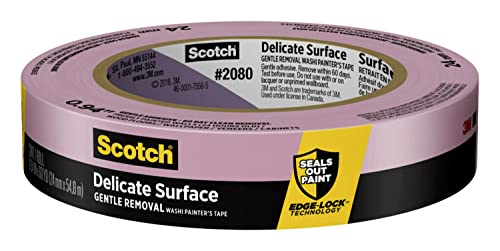
READY. SET. PAINT!: 1 roll of 0.94 inch wide Scotch Delicate Surface Painter's Tape, a versatile solution for protecting surfaces that require a little extra care when preparing to paint your living or working environment
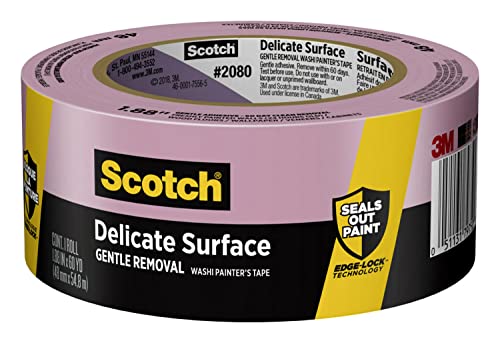
READY. SET. PAINT!: 1 roll of 1.88 inch wide Scotch Delicate Surface Painter's Tape, a versatile solution for protecting surfaces that require a little extra care when preparing to paint your living or working environment

BLUE PAINTER'S TAPE: Includes One 1.88 in x 60 yd roll of ScotchBlue Original Painter's Tape, a blue masking tape for painting that helps protect surfaces by preventing paint bleed
Choosing the Right Low-Tack Tape for Your Project

Choosing the right low-tack tape can make a real difference in how smoothly your baseboard painting project goes. Think about it: you want to avoid messy touch-ups and leftover residue, right? FrogTape is a solid option, particularly for delicate surfaces. It can cling for up to 60 days without leaving any sticky mess behind.
When shopping for low-tack tape, consider going for acrylic-based adhesive ones, especially if you live in a humid area. Moisture resistance is super important. You don’t want your tape to lose its grip when the humidity hits 70% or more. It’s frustrating to deal with paint errors later on, so choosing wisely upfront pays off.
Here’s the trick: low-tack tapes are designed to lift away easily, so they won’t damage your surfaces or peel away any existing paint. Before you stick that tape down, make sure to check what the manufacturer says about when to remove it. Timing is crucial; the right timing can help prevent any adhesive transfer. You want that clean finish after all your hard work. Using adjustable spray control can also enhance your overall painting accuracy and reduce the chance of paint seepage near taped edges.
Preparing Your Baseboards for Effective Masking

Isn’t it annoying when you’ve painted your walls, only to find uneven lines where they meet your baseboards? It’s frustrating, but getting those baseboards ready for masking doesn’t have to be a hassle. First things first: you need to make sure they’re clean and dry. A damp cloth or even a vacuum can do wonders to wipe away dust and grease. This step is really crucial if you want the tape to stick properly.
Now, you might be wondering what cleaning tips you should follow to make sure there’s no residue left behind. Focus on getting into those crevices where dirt likes to hide. If you notice any old paint or chips, it might be a good idea to scrape those off too.
Humidity can also play a big role in your project. Is it muggy in your area? If the humidity is over 70%, reach for moisture-resistant tape. It’ll hold up better against those damp conditions.
When you finally get to the painting part, here’s the trick: apply the masking tape at a 45-degree angle right along the edges. This creates a tight seal that really makes a difference. Timing is key, too. If you peel off the tape while the paint is still damp, it helps avoid that nasty residue that can ruin your clean lines.
For best results, always choose masking tape with waterproof adhesive to prevent paint bleed and ensure easy, clean removal.
Key Techniques to Apply Masking Tape Effectively
What’s the worst part about doing a painting project? Messy lines on your trim can really ruin your hard work. Luckily, applying masking tape doesn’t have to be a hassle—it just takes a few smart techniques.
First off, opt for high-quality masking tape. Brands like FrogTape are great because they resist moisture and come off cleanly. Trust me, the last thing you want is tape that leaves a sticky residue or doesn’t hold up when you start painting.
When you’re ready to place the tape, angle it at 45 degrees. This simple tip makes a huge difference in creating sharp lines that look professional. Don’t forget to clean the surfaces first: wiping down the area ensures better adhesion for the tape. Ever tried painting over grimy baseboards? It doesn’t end well.
If your project is expected to take a while, consider using low-tack tapes. These are perfect for protecting delicate surfaces without risking damage. So, why does this matter? Protecting what you don’t want to paint can save you from a whole lot of stress down the road.
Also, pay attention to the timing of your tape removal. Removing it 24 to 48 hours after application—while the paint is still damp—makes a world of difference in preventing residue. Honestly, no one enjoys the clean-up that comes from tape that wasn’t removed at the right time.
In short, prepping and using masking tape correctly can elevate your painting game. For large projects, selecting the right tape width can save you time and ensure precise coverage.
With these tips, you’ll be on your way to professional-looking results. What painting project are you tackling next?
Mastering Timely Tape Removal
How can you ensure a clean finish when removing masking tape? Timing is everything here. Aim to take off the tape within 24-48 hours while the paint is still damp. This prevents the adhesive from getting too strong from air exposure, which can be a real pain.
When you’re ready to pull, try doing it at a 45-degree angle. This little trick helps minimize any sticky residue left behind. If you’re painting in hot or humid conditions, think about using high-heat, moisture-resistant tape. It can make a real difference in your results.
For those longer projects, low-tack specialty tapes might be just what you need. They can help reduce the risk of damage to your freshly painted surfaces. So, why does this matter? A clean removal leaves your work looking professional and neat, and nobody needs the stress of fixing up after!
Also, keeping in mind the tape’s adhesive strength relative to the surface ensures easy removal without residue or damage.
What’s up With Humidity and Heat: How They Affect Your Tape?
Ever wonder why humidity and heat can wreak havoc on your masking tape? If you’ve ever worked in a humid place like Louisiana, you know just how sticky things can get—literally. When the humidity hits around 74%, the adhesive can transfer and leave behind a messy residue. Plus, when temperatures climb above 100°F, you’ll find that tape just doesn’t stick like it should. So, what can you do to avoid these pesky problems?
The trick is to choose moisture-resistant and heat-resistant tapes. It makes a huge difference. And don’t forget that the usual tape removal window of 14 days? Under these conditions, it shrinks down to just 24-48 hours. That means you need to act fast before your tape becomes a nightmare to remove. Trust me, you’ll be saving yourself a lot of headaches—and possibly some damaged surfaces.
If you’re tackling a project in these tough conditions, consider these tips:
- Pick tapes specially designed to resist moisture and heat.
- Keep an eye on the clock and plan to remove your tape sooner than you might usually.
- Prepare for a little extra cleanup in case there’s any sticky residue left behind.
Honestly, implementing these heat resistance strategies with the right tapes can lead to much better results. Plus, you get to skip the hassle of repainting or fixing things later on. So, next time you’re gearing up for a project in the heat and humidity, remember these pointers. It’s also important to check adhesive strength regularly to prevent paint bleeding and ensure a crisp line during your projects.
Common Mistakes to Avoid When Masking Baseboards
When it comes to masking baseboards, it’s all too easy to make a few common mistakes that can lead to frustrating results. You’ve probably been there: you finish painting, only to find messy lines and sticky residue. So how do you avoid that?
First, always opt for professional-grade masking tape, like FrogTape or ScotchBlue. These options help prevent any sticky residue from ruining your finish. Next up, be mindful of your tape angle. Applying it at a 45-degree angle is the way to go for that clean edge you want on your baseboards.
There’s also a tendency to press down too hard on the tape. Trust me, this can actually damage the surface you’re trying to protect. And when it comes time to remove that tape, do it within 24 to 48 hours, especially in humid areas. Leaving it on too long can lead to adhesive transfer, which is a real headache.
Another tip? Stick with low-tack tape for sensitive surfaces. It might feel like a small detail, but it can save your finish from glue migration. Frankly, avoiding these simple blunders can make a world of difference in the end result.
Just remember—getting your masking right is key to achieving those clean finishes you dream about. Have you ever faced any mishaps when masking? For prolonged projects, consider using a NIOSH-approved respirator to maintain safety while reducing fatigue.
Tips for Achieving Clean Lines Without Residue
Getting sharp, clean lines in your paint job can feel like trying to solve a puzzle, can’t it? But don’t worry, with a few simple techniques, you can master this art.
First off, the tape you choose really does matter. High-quality options like ScotchBlue or FrogTape are a must—they’re known for their cool acrylic-based adhesive that’s designed to come off cleanly without leaving that pesky residue behind. When you apply it, here’s the trick: pull the tape at a 45-degree angle to help achieve that crisp edge we all want.
Now, timing is crucial. Always remove the masking tape while the paint is still damp, ideally within 24 to 48 hours. If you wait too long, the risk of residue increases, which nobody wants after putting in all that effort. For sensitive surfaces, I recommend using low-tack tapes. They stick just enough to do the job but won’t wreak havoc if you decide to change things up.
Oh, and don’t forget about the weather. It can really mess with your painting plans. Avoid applying or removing tape in direct sunlight or high humidity—these conditions can make the adhesive bond stronger and lead to those frustrating little messes.
To wrap it all up, getting clean lines without residue is totally achievable with the right tape, timing, and conditions. Have you tried any of these tips before? What’s your go-to method for achieving those perfect lines? Using products with eco-friendly and biodegradable properties can also help ensure a smooth cleanup without damage to your surfaces or environment, making the entire process safer and more effective, especially when considering environmental safety.
Specialty Masking Tapes: When and Why to Use Them
Choosing the right specialty masking tape can seriously impact the success of your painting projects. Have you ever spent hours prepping, only to have the paint bleed through? This is where specialty tape comes in handy. Low-tack options are fantastic for protecting delicate surfaces from damage and sticky residue, so you can focus on getting the job done right.
With advancements in adhesive technology, there are some great options available, like moisture-resistant acrylic-based tapes. If you’re in a humid climate, these can really stand up to the elements and keep your project looking fresh. Another key factor? Make sure your tape is compatible with the surfaces you’re working on. Humidity-tolerant tapes are worth considering to avoid adhesive breakdown that can leave behind that annoying residue.
Here’s the trick: if you’re working on an intricate project, quick-release tapes are definitely the way to go. They can be removed easily within 24-48 hours, which means you won’t have to deal with a mess on your baseboards. And for textured surfaces, professional-grade tapes provide clean lines that can save you a lot of hassle down the line—no one wants to think about repainting.
Truth is, knowing how to pick the right tape can make a world of difference in your finishing touches. Using siliconized acrylic latex caulk can also enhance the adhesion of paint around masked edges, ensuring a smooth finish. So, why does this matter? It’s about achieving that polished, professional look without risking damage to your surfaces.
In short, understanding the different types of specialty masking tapes can enhance your painting experience. Next time you tackle a project, think about the tape you’re using. Are you ready to give it a try?
Real-Life Results: Success Stories From Painting Professionals
Have you ever struggled with paint getting on your baseboards? It’s a common headache for many painting pros. But you can make life a lot easier by using the right masking tape and techniques to protect those edges.
For example, folks in Houston have shared that using humidity-tolerant tapes has really cut down on those frustrating return trips. When the humidity is high, regular tape can sometimes fail to stick, leading to messy edges and extra work later. Contractors in Tulsa swear by quick-release tapes; they make for quicker and cleaner finishes, which helps keep costs down for clients. And let’s not forget the painters in New Orleans who rave about 3M products specifically designed for humid climates. These prevent adhesive breakdown and residue, keeping everything clean.
Here’s the trick: when you’re taping, consider going for low-tack options like FrogTape. This ensures that you can remove the tape without pulling off paint, which saves time and hassle in the long run. Timing is crucial, too—removing the tape within 24-48 hours helps make sure you don’t end up with sticky residue. So, always check the manufacturer’s recommendations; they’ll have the details that can help you avoid a sticky situation.
Different situations call for different solutions, and it really pays to choose wisely when it comes to your tools. So, why does this matter? Because the right supplies mean less time spent fixing mistakes and more time enjoying your freshly painted walls. Using adjustable stands with anti-slip pads can also keep your tools stable while you work, reducing accidental smudges or damage.
Frequently Asked Questions
What Is the 7 Rule for Baseboards?
The 7 Rule for baseboards suggests using a 7-inch tape strip to guarantee clean lines. It’s essential for various baseboard types, enhancing our painting techniques while facilitating easy clean-up with effective cleaning solutions.
Which Masking Tape Leaves No Residue?
Like a painter’s brush, our choice of masking tape options, such as FrogTape or ScotchBlue, embraces residue-free techniques. By following professional recommendations, we can guarantee our surfaces remain pristine and free from adhesive remnants.
What Is the Best Masking Tape for Baseboards?
The best masking tape for baseboards combines painters tape advantages from brands like ScotchBlue and FrogTape. For ideal results, we should remember essential tape application tips and remove the tape while the paint’s still damp.
What Do Professionals Use to Clean Baseboards?
Did you know that 70% of professionals prefer microfiber cloths for cleaning baseboards? We use effective cleaning solutions, soft baseboard brushes, and professional techniques to guarantee our space remains spotless and beautiful.


