As an Amazon Associate, we earn from qualifying purchases. Some links on this site are affiliate links at no extra cost to you. Our recommendations are based on thorough research and editorial judgment.

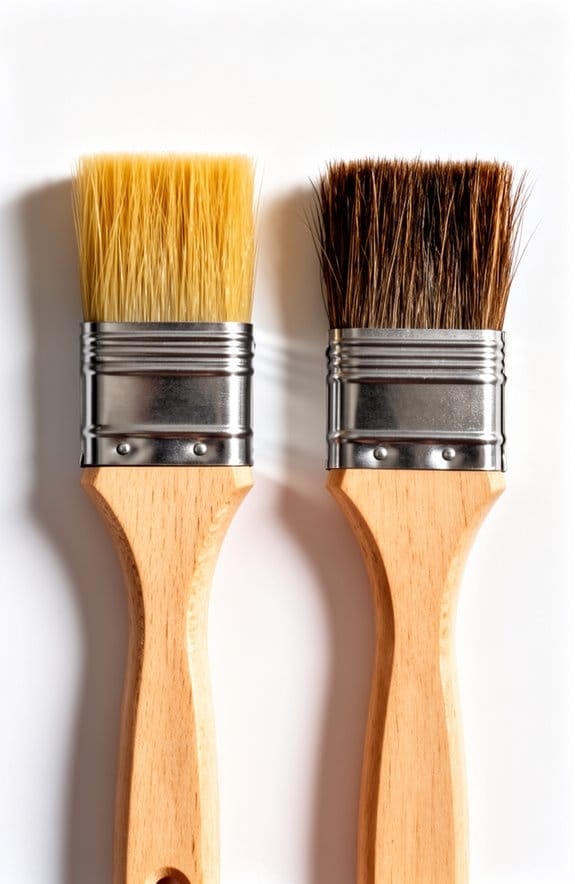
Synthetic vs Natural Bristle Brushes: What Each Is Designed For

When it comes to picking the right brush for your artwork, it can be tricky. You’re probably wondering whether to go for synthetic or natural bristle brushes.
You may be interested


Natural brushes, made from animal hair, work wonders with oils and traditional watercolors. They excel at absorbing paint and can create some beautiful, unique brushstrokes that really bring your project to life.
On the flip side, if you’re working with acrylics, synthetic brushes are the way to go. They provide smoother finishes and are a breeze to clean, which is a huge plus.
So, what’s the real difference? Each brush type has its own strengths and weaknesses, and understanding these can help you get the results you want.
Try this: think about the medium you’ll be using most. For oils and watercolors, definitely consider those natural bristles. They’ll soak up pigment and give you that rich, vibrant look.
For acrylics, you’ll appreciate the control and finish that synthetic brushes offer. It’s all about choosing the right tool for the job!
Truth is, the brushes you choose can really impact your artwork’s final look. So, before you start painting, take a moment to consider how each brush might work with your techniques and style.
What’s your go-to brush type? It could make a world of difference in your next project!
Key Takeaways
- Synthetic brushes excel with acrylics and watercolors, providing versatility and smooth finishes ideal for detailed projects.
- Natural bristle brushes are preferred for oil paints, offering superior texture, pigment absorption, and blending capabilities.
- Sable brushes are designed for delicate details, while hog bristles are effective for heavy applications in oil painting.
- Synthetic brushes are more budget-friendly and easier to maintain, making them suitable for beginners and casual artists.
- Natural brushes require proper care and conditioning, making them a significant investment for serious artists seeking unique brushstrokes.
Key Differences Between Synthetic and Natural Brushes
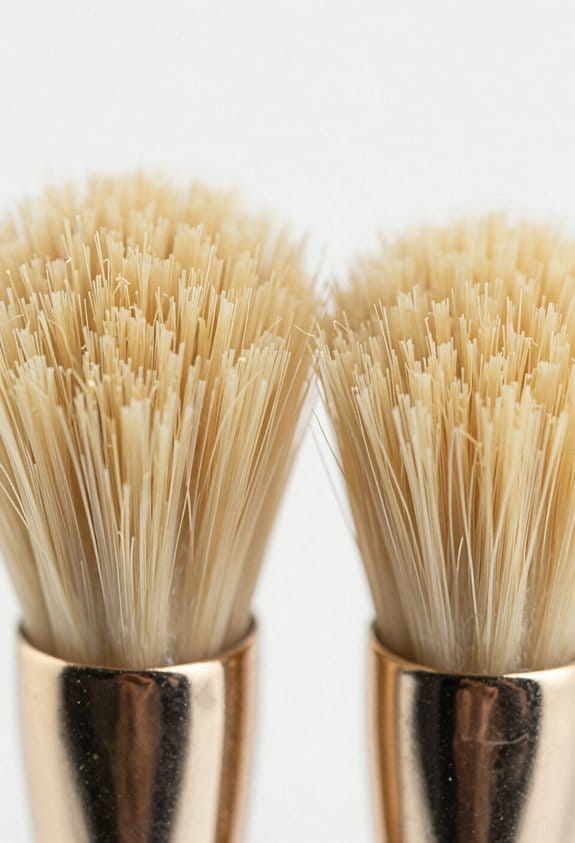
Have you ever struggled to choose between synthetic and natural brushes for your painting projects? It can be tough! Understanding the differences can really enhance your experience and the results you achieve.
Natural brushes, crafted from animal hair like sable and hog, are fantastic when it comes to paint pick-up, holding it well, and distributing it nicely. This is especially true for oil and watercolor painting, where the nuances really shine through. On the other hand, synthetic brushes are made from man-made fibers like nylon. They’re super versatile and work great across different mediums, especially acrylics.
The character of your work can be influenced by the type of brush you use. Natural brushes tend to leave a more noticeable brushstroke, which can add some unique texture to your artwork. If you prefer a smoother finish, synthetic brushes generally do the trick better.
Now, let’s talk about care. Natural brushes can be pricier and require a bit more attention to keep them in good shape, especially when used with acrylics. On the flip side, synthetic brushes are known for their durability and ease of maintenance. So, what’s the best choice? It often boils down to your personal preference and the specific projects you’re tackling.
For larger projects or furniture painting, using tools that offer multiple spray patterns could complement your brushwork by providing efficient and even coverage.
In the end, both brush types have their pros and cons. What will you choose for your next creative venture?
Understanding Synthetic Brushes: Characteristics and Benefits
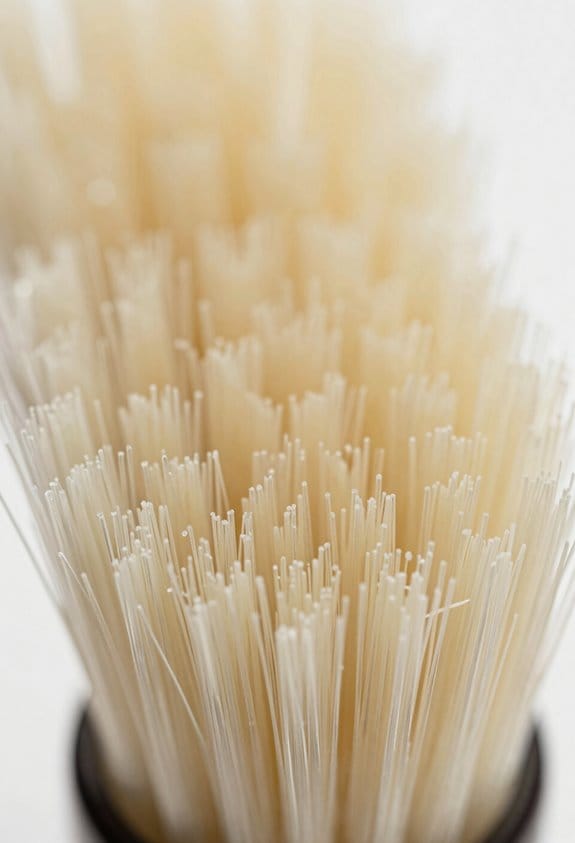
As an artist, you might find yourself torn between picking synthetic brushes and natural ones. So, what’s the deal with synthetic brushes, and why should you consider them?
Synthetic paint brushes are made from nylon or polyester, so they’re quite different from traditional natural brushes. They do a great job mimicking the feel of natural hair while being budget-friendly. You can use them for various mediums—acrylics, oils, and even watercolors. Their ability to hold paint and give excellent coverage means you can achieve smooth finishes without too much hassle, making them especially handy for detailed projects.
Here’s the trick: Look for the ones that are dyed specifically to improve paint-holding abilities. They’ll often have various fibers suited for different techniques, which can really help you refine your work. You might wonder how they hold up against natural options. The truth is, they perform admirably and can even last longer when cared for properly.
Frankly, if you’re an artist who cares about the environment, synthetic brushes are a solid choice. They don’t involve animal products, so you can paint with a clearer conscience. This makes them suitable for anyone, no matter your experience level.
Try this: Invest in a few different types of synthetic brushes, and see which ones you love. Experiment with them across mediums—they’re versatile enough to surprise you!
In short, synthetic brushes can elevate your artistry while being accessible and ethical. Why not give them a shot and see how they can fit into your painting journey? Their ergonomic handles help reduce fatigue during long painting sessions, making creative work more enjoyable.
Recommended Products
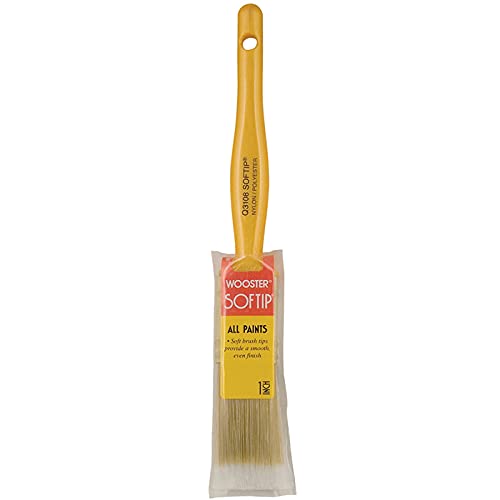
Synthetic blend for all paints, latex and oil-based

DURACORD ROPE: Synthetic blend feels soft like cotton yet wears like polyester; all weather rope resists common impurities and color shift; dense low stretch construction supports a steady lay for daily relaxing in sun or shade

RECOMMENDED APPLICATIONS: Effectively strip, deburr, blend, finish, polish, and clean
What Makes Natural Bristle Brushes Unique and Effective?
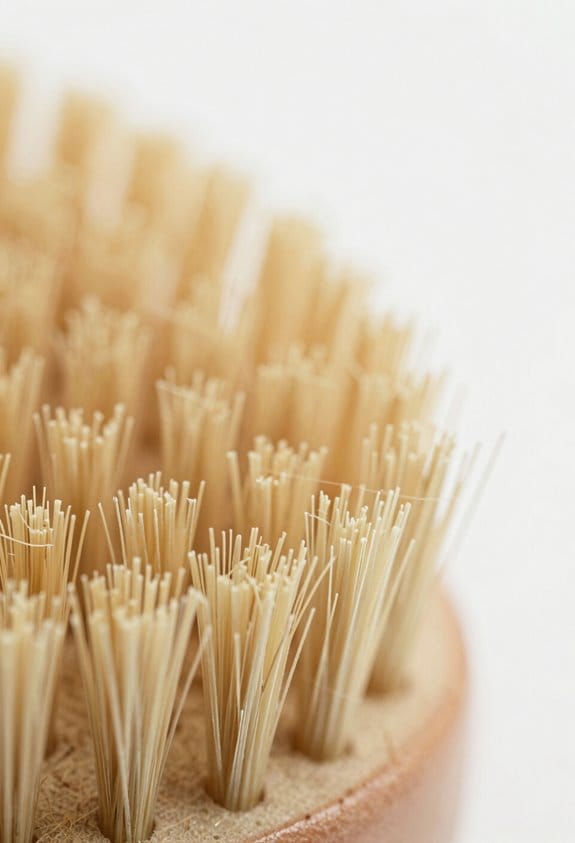
Natural bristle brushes are a favorite among artists, and it’s easy to see why. Have you ever struggled to get just the right texture or finish with your paint? Well, these brushes can be the answer to those frustrating moments. Made from animal hair—like sable, hog, and squirrel—natural bristle brushes are specifically designed for oil and watercolor applications.
Here’s the trick: their unique construction allows them to pick up and distribute paint like a dream. The cuticles on the natural hair enhance pigment absorption, helping you achieve that vibrant, rich color we all want in our artwork. You’ll find that each brush keeps its shape well, which is crucial for precise application. Plus, you can create distinct brushstrokes that really add character to your pieces.
Sable hair brushes feel soft and flexible, perfect for those delicate details. On the other hand, hog bristles offer strength and springiness, making them great for working with heavier oil paints.
Sure, natural bristle brushes can be a bit pricey, and they do require some TLC. But the effectiveness in producing stunning artwork? Honestly, it’s something you won’t find with synthetic options. They’re definitely a worthwhile investment if you’re serious about your craft. Additionally, choosing brushes made with eco-friendly materials can promote sustainability in your art practice.
Recommended Products

PURE KOLINSKY-TAJMYR SABLE ARTIST PAINTBRUSH - Considered the very best hair for painting, only the best male kolinsky hair is used for the Reserva series brushes providing watercolor artists with an exceptional point and liquid retention

JOHN HOWARD SANDEN is an award-winning portrait artist and educator. He founded The Portrait Institute in 1974 and established the National Portrait Seminar, which became the largest art seminar in America. In 1994, he received the first John Singer Sargent Medal for Lifetime Achievement from the American Society of Portrait Artists. He was honored with the Gold Medal award from the Portrait Society of America in 2010.

Pro Stroke Premium White Bristle: Versatile Pure White Chungking Hog Bristle Paint Brushes are superbly hand-crafted from the finest Chungking Hog Bristles; The flagged tips hold loads of color for a long, full paint stroke; They were designed for serious painters of all skill levels
Choosing the Right Brush for Your Medium
Choosing the Right Brush for Your Medium
Are you ever stuck staring at a blank canvas, unsure of which brush to pick? It’s a common dilemma for many artists, and the type of brush you choose can really influence the final look of your artwork. There’s a bit of a learning curve, but figuring out the right tools can make a big difference.
When you’re deciding on a brush, think about the materials you’ll be using. If acrylics or watercolors are your go-to, you might want to reach for synthetic brushes made from nylon or polyester. They’re pretty versatile and can handle a range of styles. But if you’re diving into oils or traditional watercolor, natural brushes could be your best friend. Brushes made from animal hair, like sable or hog, are known for their ability to pick up and distribute paint beautifully. So, why does this matter? It’s all about the brushstrokes! Natural brushes can create those unique, expressive marks that synthetic ones just can’t match, although they might struggle with acrylics.
Here’s the trick: when comparing synthetic and natural brushes, consider how they perform. Synthetic brushes have the advantage of minimal shedding, which means less fuss as you paint. On the other hand, natural bristles are champions at blending, which is essential for smooth transitions in your work. Think about what you need for your particular project and just go for it!
In the end, selecting the right brush really boils down to personal preference and what you want to achieve in your art. Experiment with a few options and see what feels right in your hands. Moreover, maintaining your brushes through regular cleaning helps ensure they perform well and last longer. What kind of brush do you think will help you express your creativity best?
Recommended Products

PAINT & PRIMER-IN-ONE: Cascadia ZERO is an Ultra-Low VOC, Acrylic Blend Paint & Primer-in-One; save time with less coats

PAINT & PRIMER-IN-ONE: Cascadia ZERO is an Ultra-Low VOC, Acrylic Blend Paint & Primer-in-One; save time with less coats
Application Techniques: Choosing Between Synthetic and Natural Brushes
When it comes to painting, have you ever found yourself unsure about which brush to use? The type of brush you pick can really make a difference in how your project turns out. Natural brushes are fantastic for oil and watercolor paints because they grab the paint so well, letting you create visible brushstrokes that add character to your work. On the other hand, synthetic brushes, which are made from materials like nylon or polyester, are super versatile and shine when you’re working with acrylics. They help you apply paint smoothly without leaving too many marks behind.
Here’s the trick: if you’re aiming for fine details in your painting, soft synthetic bristles are your best bet. They help you get those intricate designs without fuss. But if you’re diving into something heavy, like oil painting, stiffer natural bristles do wonders for those thick applications. So, why does this matter? Well, when you’re using water-based paints, synthetic brushes really take the lead, outperforming natural options when it comes to performance and ease of use.
Don’t forget about brush size and style, either. Different brushes have different strengths. Angular brushes are excellent for reaching tight corners, while flat brushes work like a charm for covering larger areas quickly. It’s all about choosing the right tool for the job!
In the end, remember, the brush you choose affects both your technique and the final look of your work. Additionally, selecting brushes with ergonomic handles can reduce strain during extended painting sessions, improving comfort and control. So, what will you go for in your next painting session—natural or synthetic? Happy painting!
Recommended Products

[EARTH TONE HEADBOARD KING Featuring an original headboard design with soft brown, green, yellow, orange, and light natural brown wood colors handcrafted with real solid wood planks.

With beautiful silver nailheads along back edges and perimeters, this graceful dining chair brings a casual elegance to the table. Get comfortable or turn dinner into a formal occasion, this chair is well suited for either endeavor.

PURE KOLINSKY-TAJMYR SABLE ARTIST PAINTBRUSH - Considered the very best hair for watercolor painting, only the best male kolinsky hair is used for the Reserve series brushes providing watercolor artists with an exceptional point and liquid retention
Maintaining Your Brushes: Best Practices for Longevity
Taking care of your brushes can really make a difference in how long they last and how well they perform, especially when you’re in the zone with your creative projects. One thing that’s super important is to clean your brushes right after you use them. For water-based paints, rinsing them with water is usually enough, but if you’re working with oil paints, you’ll need to grab some solvents.
After washing, it’s a good idea to gently reshape the bristles. You don’t want to scrub them hard or bend them out of shape—just be kind to them! When it comes to storing your brushes, think about keeping them horizontal or with the bristle tips up to avoid any bending or splaying. So, why does this matter? Well, if you let them sit in solvent or water for too long, it can weaken the glue that holds the natural bristles together.
Keep your brushes in good shape by occasionally conditioning the natural ones with oils or special brush conditioners. This will help maintain that softness and flexibility, which greatly enhances how long they’ll last. Honestly, taking these few extra steps can save you from having to replace your brushes frequently. Additionally, proper cleaning and maintenance routines help maintain the durability and performance of synthetic brushes like nylon bristle alternatives.
To recap, cleaning your brushes right after use, reshaping them, and storing them correctly will keep your tools in tip-top shape. So, what steps will you take today to give your brushes a little TLC?
Recommended Products

BRAND NEW SIDING. Apply once every ten years to keep your siding looking new. Vinyl Renu is the original siding restorer and the only one that instantly restores the original color to your vinyl, metal or Hardie siding. 20+ years and millions of square feet restored. Nothing else compares.
DEEP PENETRATING: WOCA's unique hyper cross-linking technology will give wood a durable, natural feeling, non-slip surface; leaving floors with a water/spill-resistant, easy to clean finish while providing a beautiful, breathable looking surface.

Each set contains 92 pieces as follows: AAA BB CC DD EEEE FF GG HH III JJ KK LL MM NNN OOO PP Q RR SSS TT UU VV WW XX YY ZZ 111 22 33 44 55 66 77 88 99 000, 1-Beginner, 1-Plain Ender, 3-Spacers, 1-Period Ender, 1-Comma, 1-Dash, 2-Periods, 2-Ampersand, 1-Apostrophe
User Experiences: How Brush Type Affects Your Results
How can the type of brush you choose really change your painting experience? Brush type matters more than you might think when it comes to how your artwork turns out. For those looking for a clean application, synthetic brushes are often the go-to choice. Artists like Cindy Crittenden swear by them because they shed less and deliver consistent results no matter the medium. This means fewer stray bristles on your canvas and a more precise look—something both Danielle Kuhlman and Katie Baker have noticed in their work.
But what if you’re diving into blending techniques? That’s where natural bristle brushes come into play. They create those smooth transitions and richer finishes that many seasoned artists prefer. If you’re just starting out, you might stick with synthetics since they’re versatile, but as you build your skills, it makes sense to experiment with different types of brushes for various techniques. Understanding the bristle stiffness differences helps artists select the best brush for delicate blending or tougher painting tasks.
Conclusion: Making the Right Brush Choice for Your Projects
Choosing the right brush can feel overwhelming, especially when you’re staring at a wall of options at the art store. It’s one of those things where a little knowledge goes a long way. First off, think about the medium you’ll be working with.
If you’re just getting started, budget-friendly synthetic brushes might be your best bet. They’re versatile and work well with acrylics, oils, and watercolors. That means you can experiment without breaking the bank. Have you ever noticed how different brushes can completely change your painting experience?
On the other hand, if you’ve got some experience under your belt, consider investing in natural bristle brushes. They’re known for their great paint pick-up and texture, especially for oil and watercolor projects. These brushes add a unique character to your art, but keep in mind they don’t work as well with acrylics. Proper brush maintenance and cleaning is key to extending the life and performance of any brush you choose.
Frequently Asked Questions
Can Synthetic Brushes Be Used With Oil-Based Paints?
Yes, synthetic brushes can be used with oil-based paints. Their advantages include durability and easy cleaning. We recommend using specific application techniques for the best results, enhancing the paint’s finish and ensuring consistency in our projects.
How Do I Clean My Natural Bristle Brushes Properly?
Oh, the joy of cleaning! We tackle brush maintenance with gentle soap, warm water, and swirls of love. For longevity, we recommend cleaning techniques that keep bristles happy and paint-free. A tidy brush is a happy brush!
Are Synthetic Brushes More Affordable Than Natural Bristle Brushes?
Yes, synthetic brushes generally offer a more affordable option. However, we should consider the cost comparison in light of brush longevity and performance factors, as higher initial costs can lead to better durability and results.
Do Natural Bristle Brushes Require Special Storage Conditions?
Staying savvy, natural bristle brushes need specific storage recommendations. We should prioritize proper bristle care, keeping them clean and dry, to enhance their longevity. Let’s protect our artistic tools for lasting performance together!
Which Brush Type Is More Eco-Friendly?
When it comes to eco-friendliness, we think natural bristle brushes usually have a better sustainability impact. Their material sources are often biodegradable options, reducing waste and promoting a healthier environment for all of us.


