As an Amazon Associate, we earn from qualifying purchases. Some links on this site are affiliate links at no extra cost to you. Our recommendations are based on thorough research and editorial judgment.


Tipping Off: What It Is and When It Improves the Finish

Tipping off is a handy trick for anyone looking to improve their paint jobs. Ever notice those pesky brush strokes that ruin an otherwise smooth finish? This technique helps smooth them out, giving your work that polished look you’re after.
You may be interested


Timing is everything here. You want to tip off just a few seconds to a couple of minutes after you apply your paint, while it’s still tacky. Hold your brush at about a 30-degree angle and lightly run it over the surface. The goal is to smooth out any bumps without disturbing the layer of paint beneath.
The type of brush you use can really make a difference, too. Quality brushes, like Purdy or Badger hair, can elevate your results significantly.
Here’s the trick: practice makes perfect. The more you tip off, the more comfortable you’ll become with the technique. And while it might feel a bit shaky at first, seeing your efforts pay off with a flawless finish will be worth it.
So, why does this matter? It’s all about achieving that professional look without needing to hire someone else. And honestly, it can save you time in the long run when you get it right the first time.
In summary, tipping off is a straightforward way to enhance your paint finishes. Give it a try, and see how it works for you!
What’s your favorite painting tip you swear by?
Key Takeaways
- Tipping off smooths out brush strokes and imperfections, resulting in a professional, flawless finish on painted surfaces.
- It should be performed while paint is still tacky, typically seconds to a few minutes after application.
- Use quality brushes, held at a 30-degree angle, focusing on light strokes to minimize texture and achieve an even coat.
- Practice on scrap materials enhances the technique, helping refine timing and brush control for better results.
- Troubleshoot issues like bubbles by applying varnish evenly and maintaining a clean workspace for optimal finishing conditions.
What Is Tipping Off and Why Is It Important?

Tipping off can take your paint job from basic to breathtaking. If you’ve ever struggled with visible brush strokes or uneven finishes, you’ll want to give this technique a try. It’s pretty simple: using a clean, dry brush, you gently glide over freshly painted surfaces to smooth everything out. This little step is especially important for trim and furniture, where a flawless finish really makes a difference.
Timing is key with tipping off. You’ll want to do this just seconds to a few minutes after painting while the surface is still wet. Grab a good-quality brush and hold it at about a 30-degree angle to the surface. This angle helps distribute paint evenly without disturbing what’s underneath. Honestly, practicing this can make your results look as if they came from a sprayer.
Here’s a tip: if you feel hesitant, start on a small, less visible area to gain confidence. Seeing the difference can be pretty motivating! So, why does this matter? Because a well-executed tipping off can hide imperfections and elevate the overall look of your painted surfaces—people will be impressed without knowing your secret! Using a sprayer with adjustable spray patterns can similarly help achieve a smooth and consistent finish.
When Should You Use Tipping Off for the Best Finish?

When it comes to getting the perfect finish with paint, timing your tipping off is key. You’ll want to do this right after you apply the paint or varnish—ideally, within just a few seconds to a couple of minutes. This technique smooths out the wet paint, helping it level nicely without messing up everything you’ve just done. It’s particularly important in areas that get a lot of attention, like trim and furniture, where every detail really counts.
So, what’s the trick to making this work? When you’re using a good quality brush, hold it at about a 30-degree angle. Lightly brush over the wet surface, and you’ll see a big difference. This technique can really minimize texture, giving you a finish that looks like it was done by a spray gun. It’s all about enhancing that overall look without a lot of extra fuss.
Remember, timing is crucial here. If you wait too long, you might mess up the coat you just applied. So, why does this matter? A smooth finish makes your work look professional and well-thought-out—something every DIYer strives for.
At the end of the day, taking the time to tip off can really pay off in the final look of your project. Using techniques similar to adjustable nozzle sizes on a paint sprayer can also help achieve a flawless finish when spraying. Have you tried this technique yet? What finish are you aiming for next?
Recommended Products
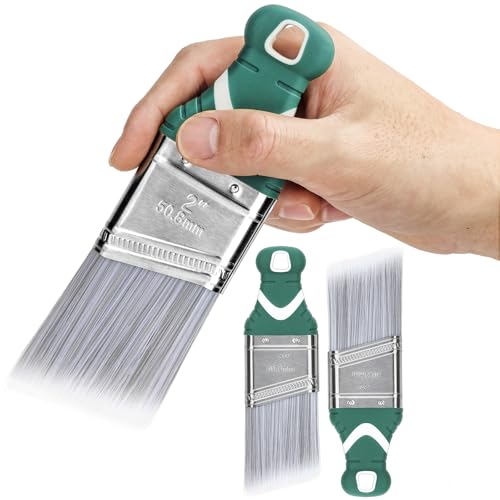
【What You Get】3pcs 2-Inch short handle angle paint brush, featuring synthetic bristles, stainless steel ferrule, and rubber grip with hanging hole. Use with all paints, easy to clean, simply rinse to remove paint and air dry for reuse. Size: 6.5"L x 2"W x 0.6"H, weigh 70 grams each.

2 Side Painters Comb

Flexible purple Shergrip handle that measurers only 2 Inches long that adds maneuverability in tight spaces
Essential Tools for Tipping Off: Brushes and Tips

Achieving a flawless finish can feel like a daunting task, especially when it comes to picking the right brushes. The brushes you choose can make all the difference, so it’s worth investing in quality ones, like Purdy or those made with Badger hair. The stiffness of the brush plays a significant role in how smooth your finish will turn out. If you’re working with oil-based varnishes, a firmer brush is your best friend, while softer brushes work wonders with water-based finishes.
Have you ever noticed how a brush can act like a sponge when dipped into the wrong products? To avoid this, dip your brush in thinner before you start. It helps to keep the varnish from reaching the ferule, which is key for effective tipping off.
When you’re ready to apply, try angling your brush at about 30 degrees. Lightly use the tips of your bristles—this technique helps to minimize bubbles and gives a nice, uniform sheen. Honestly, it takes a bit of practice, but you’ll see the results.
And don’t forget about cleaning your brushes. Proper maintenance not only extends their lifespan, but it also ensures that the next job you tackle will yield the same consistent results. Some folks swear by foam brushes, but watch out—they might leave behind a stippling effect that’s not ideal for those final touches.
Choosing brushes with natural bristles can also reduce frizz and improve the smoothness of your application, making your finish look more professional.
Recommended Products

This variety 24-pack includes 6 each 2", 1.5", 1 & 0.5" chip painting brushes.

Bates chip paint brushes set includes 24 brushes in assorted sizes, ensuring you have the right brush for every detail in your painting project.
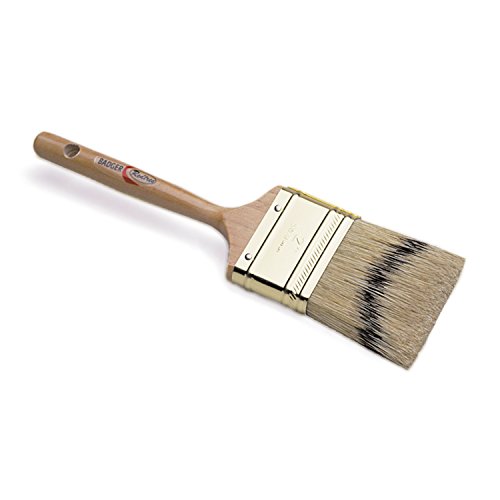
Uses: Excellent handmade flowing brush for urethanes, varnishes and enamels
Mastering the Tipping Off Technique: A Step-by-Step Guide
When you’re aiming for a flawlessly smooth finish, knowing how to tip off your paint job makes all the difference. Have you ever applied a coat of paint only to find some pesky imperfections ruining your hard work? Start by ensuring your paint is rolled or brushed on in thin, even coats. After a brief wait, grab a high-quality brush and hold it at about a 30-degree angle.
Here’s the trick: lightly brush over the freshly applied paint with just the tips of the bristles. Timing is everything—aim to do this within seconds to a couple of minutes after you apply the paint. The goal isn’t to drag paint around but to delicately smooth out any bumps or inconsistencies.
Feeling nervous? Try this: practice on some scrap material to hone your technique. This is where you’ll develop that fine touch you’ll need for the real project. When you nail this technique, the final result can look remarkably like it was done with a spray can.
So, why does this matter? Tipping off can significantly elevate the quality of your finish, making it something you can be proud of. It’s all about taking those extra minutes to get the details right. Remember, every step counts when it comes to achieving that perfect look!
Honestly, it’s just a bit of practice and patience. Once you’ve got the hang of it, you’ll see how it brings everything together beautifully. What project will you tackle with your new skills? Let’s get to it!
For best results, use pads with high-absorption bristles to minimize streaks and ensure an even application during your tipping off process.
Recommended Products
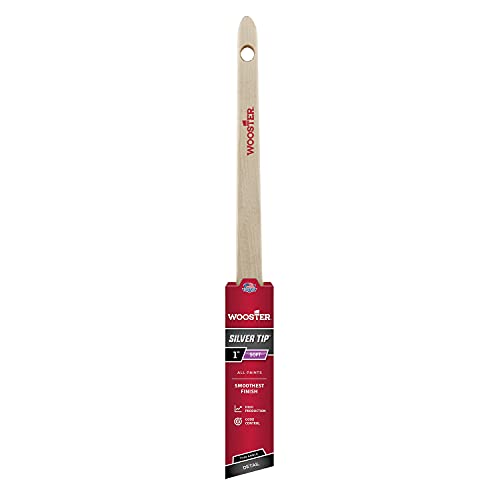
White & silver CT polyester with chisel trim

100 Pieces micro brush fit for automotive paint touch up and various hobby work
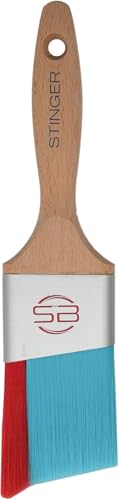
NOTE LOGO DETACHES FROM BRUSH BRISTLES AND HANDLE A+ PERFECT FOR GENERAL PAINTING: A perfect cut, every time! Feel the Tip: The patented Stinger Tip technology features extended filaments for more control and performance by combining multiple filament types into one brush. The Stinger Classic features a Regular Flex Stinger Tip.
Troubleshooting Tipping Off: Fixing Common Bubbles and Streaks
Ever tried to achieve that perfect finish in your work, only to have bubbles and streaks ruin everything? It’s super frustrating, right? Those bubbles tend to show up when you overwork the varnish or apply it too thick. So, how do we tackle this?
First, keep your pressure light and try to apply the varnish evenly. If you still see those pesky bubbles, you might want to thin the varnish a bit or tweak your brushing technique. A smoother consistency can make a world of difference!
Now, let’s talk about streaks. You need to be quick with your tipping off—aim for just a few seconds to a couple of minutes after you apply. The trick? Don’t overbrush! Each stroke should overlap slightly with the last. It takes a bit of practice, but you can really nail that perfect finish with time.
The best part is that with each attempt, you’ll get better at minimizing those annoying bubbles and streaks. And who doesn’t want a smoother finish? So, what’s your biggest challenge when it comes to getting that clean look? Using fast-drying solvents can also significantly reduce drying time and improve the finish quality.
Recommended Products

PROTECT WOOD SURFACES – Minwax Polyurethane Wood Finish protects interior projects like woodwork, furniture, floors and cabinets. The oil-based, clear top coat is one of the most durable coatings for wood protection against scratches, spills and more.

PROTECT WOOD SURFACES – Minwax Polyurethane Wood Finish protects interior projects like woodwork, furniture, floors and cabinets. The oil-based, clear top coat is one of the most durable coatings for wood protection against scratches, spills and more.

PROTECT WOOD SURFACES – Minwax Polyurethane Wood Finish protects interior projects like woodwork, furniture, floors and cabinets. The oil-based, clear top coat is one of the most durable coatings for wood protection against scratches, spills and more.
Tips for Mastering Tipping Off Like a Pro
Are you tired of finishes that just don’t look quite right? Mastering the technique of tipping off can take your painting game from average to pro-level. Start by grabbing a high-quality brush that fits the type of paint you’re using. This simple step can make a big difference in how smoothly the paint glides on.
When you’re ready to tip off, speed is essential. You want to work your magic within seconds to a couple of minutes after applying the paint. Aim to hold the brush at about a 30-degree angle and gently brush over the surface. Keeping your hand steady really helps here. If you can practice on some scrap materials first, you’ll be doing yourself a favor. Getting comfortable with this technique will make your upcoming projects so much easier.
Timing is everything! Tipping off while the paint is still tacky is critical if you want that smooth, almost spray-like finish. Honestly, if you wait too long for it to dry, you might end up with noticeable brush strokes that can ruin your hard work. The best part is, the more you practice, the more you’ll reduce those marks and create results that look professionally done. Using a sprayer with adjustable flow control can also help create an even finish before tipping off.
Frequently Asked Questions
What Is Tipping off in Painting?
As we glide a brush across fresh paint, we engage in tipping off—an artful technique that enhances finish quality. By mastering this method, we elevate our paint techniques, ensuring a seamless, professional appearance every time.
Does Tip Mean to Improve Performance?
Yes, “tip” can imply performance enhancement. By adopting effective techniques, we optimize our approach, resulting in better outcomes in our projects. It’s all about refining our skills and ensuring we achieve that professional finish together.
What Does Tipping off Mean?
Tipping off defines a technique we love, enhancing our painting’s finish. Its significance lies in creating a flawless surface, removing imperfections, and bringing joy to our completed projects, ensuring every detail looks just right.
What Is the Tipping Process?
The tipping process involves using tipping techniques to smooth paint finishes. We lightly brush the surface with a quality brush at a 30-degree angle, minimizing pressure to create an even, professional appearance.


