As an Amazon Associate, we earn from qualifying purchases. Some links on this site are affiliate links at no extra cost to you. Our recommendations are based on thorough research and editorial judgment.


How to Avoid Roller Lines and Orange Peel Texture on Walls

Ever tried to paint a wall only to end up with those pesky roller lines or an orange peel texture? It can be super frustrating, but with a little prep work and the right tools, you can avoid those mistakes.
You may be interested


First off, make sure you’re using a high-quality roller. Go for one with a nap of 1/4 to 3/8 inches if you’re dealing with smooth surfaces. This choice makes a noticeable difference in the finish.
Also, don’t skip the wall prep. Clean the walls thoroughly, fill any holes with spackle, and give everything a good sanding. That smooth surface really matters.
Here’s the trick: while you’re rolling, always maintain a wet edge. Don’t let the paint dry out in one area while you’re moving around. Apply light and even pressure as you roll.
If you notice any imperfections, don’t panic. A little light sanding followed by an additional coat can work wonders in smoothing things out.
So, why does this matter? A smooth finish not only looks professional but also feels great to the touch. Honestly, it sets the tone for your entire space. Just remember to take your time and be patient throughout the process.
In summary, with the right tools and techniques, you can achieve that flawless finish you want.
Have you had any painting projects that didn’t go as planned? What tips have worked for you?
Key Takeaways
- Use a high-quality roller with the appropriate nap length for your wall texture to ensure even application and avoid imperfections.
- Apply primer for better adhesion and a uniform base, reducing the chance of roller lines and orange peel texture.
- Maintain a wet edge while painting and roll in small sections, gently overlapping each stroke for a smooth finish.
- Avoid heavy coats of paint; instead, apply multiple thin coats to enhance adhesion and prevent texture issues.
- Clean walls thoroughly before painting and address any rough spots to ensure a smooth surface for paint application.
What Are Roller Lines and Orange Peel Texture?

When you start painting your walls, dealing with roller lines and orange peel texture can be pretty frustrating. These unsightly imperfections can really take away from a fresh coat of paint. Roller lines usually show up as uneven patches, often caused by inconsistent pressure or the wrong roller nap. So, what’s the fix? Try switching to a high-quality roller with a nap that’s suited for your wall texture. This can make a big difference in getting that smooth finish you’re after.
Now, let’s talk about orange peel texture. If you notice your walls looking bumpy or dimpled, you’re likely dealing with this issue. It usually results from applying too much paint or paint drying too fast—especially in hot conditions. To avoid this look, applying paint evenly and skipping those heavy coats is key. So, take your time, and don’t rush.
Environmental factors play a huge role in how your paint job turns out. High temperatures and low humidity can take a toll on how your paint dries and adheres. Have you noticed the difference in your paint jobs during different seasons? Honestly, keeping an eye on the weather can make a real impact.
Identifying these imperfections early on can help you achieve a much more professional look for your painted walls. It’s all about attention to detail! Using tools such as adjustable spray patterns can help apply paint more evenly and reduce common texturing issues. So, next time you’re gearing up for a painting project, remember these tips to ensure a flawless finish. What’s your biggest painting challenge?
Must-Have Tools for a Perfect Paint Finish

Want to achieve that flawless paint finish you’ve been dreaming about? You’re going to need the right tools to make it happen. Here’s what I’ve learned along the way.
Start by investing in some high-quality rollers. Choosing the right nap length is crucial, especially if you’re painting textured walls, because the right roller can make a world of difference. You’re looking for that smooth, even finish that’ll make your walls look professionally done.
Next, don’t skip out on a paint tray with a built-in roller grid. It’s one of those small details that really helps. This tool helps you load your paint roller evenly, cutting down on those annoying roller marks and drips that can ruin an otherwise perfect look.
Another essential tool? Painter’s tape. Seriously, if you want to keep your edges clean and crisp, this is a must. It’ll help prevent paint from seeping onto surfaces you don’t want to paint, like trim or ceilings.
Have you thought about using primer? It’s often overlooked, but applying a coat before the actual paint can really enhance adhesion and provide a more uniform base. Trust me, it sets the stage for the colors to come.
Lastly, don’t forget about a fine-grit sanding sponge. This little gem can smooth out any imperfections left from previous jobs, creating an ideal canvas for your new paint application.
Also, selecting a roller frame with ergonomic features can reduce fatigue and improve control for longer, more comfortable painting sessions.
In the end, all these tools will help you get that perfect finish you’re after. So, are you ready to tackle your next painting project with these essentials in hand?
Preparing Your Walls for a Flawless Coat

Achieving a flawless coat of paint really starts with prepping those walls. Ever find yourself struggling with paint that just won’t stick right? You’re not alone; it happens to the best of us. Cleaning your walls is where it all begins—get rid of dust, dirt, and grease. They can mess up the paint adhesion and ruin that perfect finish.
Next up, take a close look at your walls. Are there any holes or cracks? Fill those in with spackle so you have a smooth surface to work with. Once you’ve patched everything up, it’s time to grab some fine-grit sandpaper and lightly sand the walls. This step may seem small, but it makes a big difference for getting that paint to adhere.
Don’t skip the primer! Applying one that matches your paint color can improve coverage and durability, especially if you’re dealing with previously painted or damaged surfaces. This isn’t just busywork; it helps your paint look better and last longer. Selecting a primer with strong adhesion properties ensures the paint bonds well and prevents peeling.
Here’s the trick: before you start painting, use painter’s tape to mask off areas that you don’t want to get paint on. It’ll give you that crisp, clean look when you’re done.
In short, prep work is key to a great paint job. Are you ready to get started?
Recommended Products

Bates paint roller kit includes 19 essential pieces for home painting, prep, and cleanup projects.

WHAT'S IN THIS 10 PIECE PAINT KIT FOR WALLS: includes one plastic paint tray; one 9 inch roller frame; one 4 inch mini roller frame; two 9 inch microfiber roller covers (1/2 inch nap); two 4 inch microfiber roller covers (1/2 inch nap); one 1 inch flat brush; one 1.5 inch angle sash brush; one 2 inch angle sash brush; verify all 10 pieces upon delivery

HEAVY-DUTY MULTI-PURPOSE CLEANER - Our powdered trisodium phosphate cleaner is a non-sudsing compound that excels in heavy-duty cleaning. Expertly crafted to conquer the toughest jobs, removing stubborn grease, smoke, soot, and chalked paint from almost any type of walls & floors
Choosing the Right Roller Nap for Your Walls
Selecting the right roller nap for your walls can really impact how well your paint job turns out. If you’ve got smooth surfaces, stick with a roller that has a nap of 1/4 to 3/8 inches. This keeps the texture to a minimum and helps create a sleek finish.
Now, if you’re dealing with textured walls, especially those pesky orange peel textures, you’ll want a roller nap that’s between 3/4 to 1 inch. This thicker nap really gets into those nooks and crannies, giving you better coverage overall. Remember, using the right roller nap not only helps with paint pickup, but it also ensures an even application, which is essential for avoiding roller marks.
So, why does this matter? Using the appropriate roller nap tailored to your wall texture and paint type can save you a lot of headaches later on. Mismatches in nap length can lead to uneven finishes, and nobody wants that!
In the end, matching your roller nap to your specific project can keep your painted walls looking fresh and professional. Are you ready to grab the right tools and get started on your painting adventure? Also, using fine mesh filtering when preparing your paint ensures a smooth consistency that complements proper roller nap selection.
Recommended Products

Efficient Performance: 3/8-inch nap holds an ample amount of paint for time-saving convenience and fast, even paint application
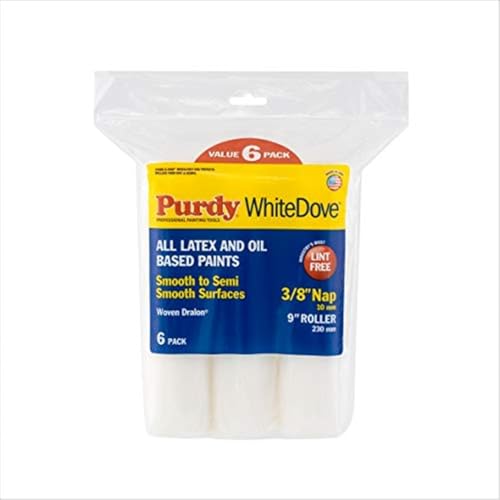
PURDY PAINT ROLLER COVERS – Purdy WhiteDove roller covers provides a smooth, lint-free finish. Handcrafted in the USA, this Purdy roller paint cover is ideal for drywall, ceilings, and floors.

Premium Microfiber Material: Our 9-inch paint roller covers are made with premium microfiber material, designed to hold more paint for faster coverage on walls and ceilings. These high-density, no-shed sleeves ensure a smooth application without leaving lint behind
Techniques to Minimize Roller Marks
Are you frustrated with roller marks ruining your wall painting job? You’re not alone. Many of us have been there, staring at a wall thinking, “Why does it look like this?” It all comes down to a few techniques that can really help you nail that smooth finish.
Start with the right roller nap. If you’re working with textured walls, a thicker nap is your best bet. It makes a huge difference in how the paint adheres. Once you have your supplies, focus on keeping that wet edge while you paint. It’s best to work in small sections and gently overlap each roll to avoid those pesky lap marks. Rolling off excess paint on the tray’s ridges is also key for an even application.
When it’s time to roll, remember to apply consistent light pressure. Pressing too hard can lead to dragging, which means uneven coverage. If you keep these tips in mind, you’ll find that painting becomes a lot less stressful. Remember what you’ve learned from past experiences—putting these techniques into practice can turn your wall painting from a chore into a breeze. Using ergonomic handles on your tools can also reduce strain during long painting sessions and improve control.
Recommended Products

Our no-shed microfiber roller covers ensure a perfect paint or stain finish for stunning results.

3-piece 9 inch paint roller covers with 3/8-inch nap provide full and even coverage for painting projects.

【100% Natural Lambswool Paint Roller Covers】Includes 6 pieces of 9" L x 3/4" Nap high-capacity lamb's wool painting roller covers that fit US standard 9 inch paint roller frames. Easy to wash, long-lasting and reusable.
How to Fix Common Wall Roller Marks
Have you ever finished painting a room only to find those pesky roller marks ruining your hard work? It’s a frustrating situation that can feel like a major setback. But don’t worry, there are ways to fix those marks and make your walls look flawless again.
First off, grab a fine-grit sanding sponge and lightly sand the areas with roller marks. This step smooths out the surface really well before you add more paint. The type of roller you use matters too, so here’s the trick: if you’re painting a textured surface, go for a thicker nap. On the flip side, a thinner nap is perfect for smooth walls.
Now, when you go to reapply paint, make sure to use a “W” or “M” motion. This method helps you keep consistent pressure, which can really reduce roller marks as you work. And don’t forget to keep a wet edge! Overlapping your strokes is key to avoiding those annoying lap marks that can pop up.
Sometimes, even after all that, roller marks might still show up once the paint dries. If this happens, don’t sweat it. Just apply more coats with a lighter touch to even out the texture. The best part is that this helps blend the new color with the old one seamlessly.
Using a roller cover with the appropriate nap length can greatly improve paint application and reduce texture issues.
To wrap it up, fixing roller marks is all about proper prep and technique. Next time you paint, remember these tips to help you achieve a smooth finish. So, what’s your favorite painting trick to get the best results?
Recommended Products

Bates 4 inch paint roller kit includes 8 pieces, providing all the tools you need for a smooth and efficient painting experience.

The paint kit includes 10 4-inch round-head foam roller covers with large sponge pores that provide excellent paint absorption and release performance, reducing the number of refills, providing even coverage, and minimizing drips and mess during application, thereby accelerating project completion

Bates paint roller includes a 4-inch paint roller frame and two high-quality foam covers, ideal for smooth and even paint application on small surfaces.
Long-Term Care for Smooth Walls
Are your walls looking a bit rough around the edges? It’s easy for painted walls to show wear over time, but keeping them looking sharp is simpler than you might think. Regular upkeep can make a huge difference in how your home feels.
To start, take a good look at your walls. Are there any rough spots or peeling paint? Catching these issues early can save you a lot of hassle down the road. If you do notice something, don’t wait—get on it right away! For everyday cleaning, just grab a soft cloth and some mild detergent. Trust me, it’s gentle enough to keep your finish intact while giving those walls a nice fresh wipe.
When it comes to giving your walls a new look, choose a high-quality paint. You definitely don’t want to be stuck with lap marks from your last DIY project. Here’s the trick: always let the paint dry completely before you make any judgments about how it looks. This little tip can save you some headaches later on.
Now, if you’ve got kids or pets, you know those high-traffic areas can take a beating. In those cases, it might be worth it to bring in the pros for a routine inspection. It’s a solid way to ensure those walls stay smooth and flawless.
So, why does this matter? Well, a well-maintained wall isn’t just about looks; it contributes to your home’s overall comfort and vibe. Keeping your walls in tip-top shape is like giving your home a little extra love, and you’ll be glad you did.
One key step before painting, especially over stained or damaged surfaces, is applying a cover stain primer to block stains and improve paint adhesion.
In short, a little effort goes a long way. Have you thought about stepping up your wall care routine lately?
Frequently Asked Questions
How to Avoid Orange Peel When Painting With a Roller?
They say, “Well begun is half done.” We must focus on roller technique tips, select the right roller nap, guarantee proper paint thickness, and prepare surfaces thoroughly to avoid orange peel when painting.
Why Is My Paint Roller Leaving Lines?
Our paint roller leaves lines due to improper surface preparation, incorrect roller cover types, and rapid paint drying effects. By using effective paint application methods and wall painting techniques, we can achieve smooth finishes and minimize these lines.
How to Roll a Wall Without Leaving Lines?
To roll a wall without leaving lines, we need even paint consistency, proper roller technique, and good wall preparation. Using quality roller covers and ensuring thorough primer application can greatly enhance our painting methods for a flawless finish.
How to Avoid Stippling With a Roller?
To avoid stippling, we should focus on proper roller technique, choose the right roller type for our surface, control our pressure during paint application, and guarantee adequate drying time between coats for a flawless finish.