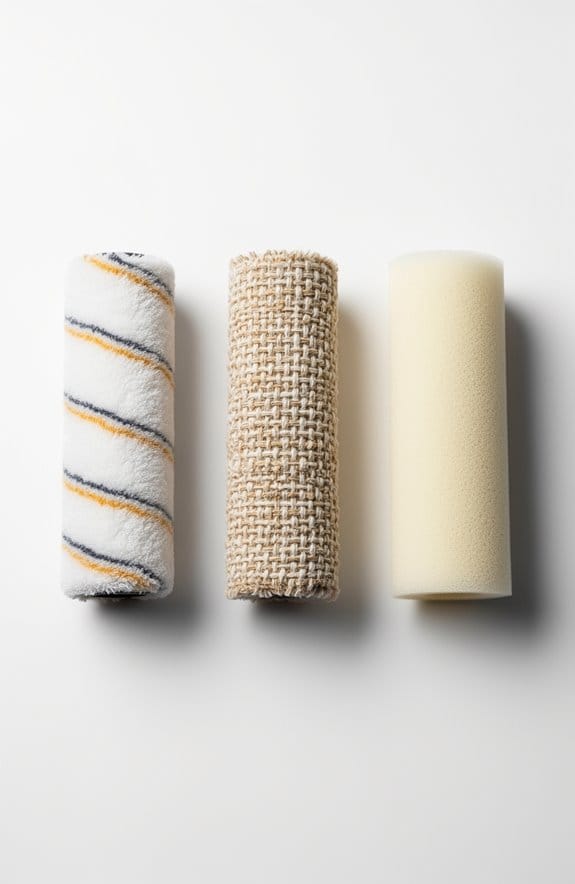
As an Amazon Associate, we earn from qualifying purchases. Some links on this site are affiliate links at no extra cost to you. Our recommendations are based on thorough research and editorial judgment.


Roller Nap Length Guide: Matching Nap to Smooth vs Textured Surfaces

When it comes to painting, choosing the right roller nap length can feel overwhelming. Have you ever noticed how some walls just seem to soak up paint, while others look sleek with just a swipe? It’s all about matching the roller nap to the type of surface you’re working with.
You may be interested


For smooth surfaces, you should go with short naps, which range from 1/4 to 1/2 inch. They hold less paint, which means fewer drips and a finer finish.
If you’re working on semi-smooth walls, medium naps that are about 3/8 to 1/2 inch are your best bet. They offer a nice balance between good coverage and maintaining a smooth appearance.
Now, if you’re tackling rough or textured surfaces, long naps from 3/4 to 1 1/2 inches really shine. They’re excellent at filling in all those little grooves and bumps, giving you a consistent coat.
So, why does this matter? Using the right nap for your surface can save you time and enhance the overall look of your project.
Honestly, there’s a lot more to explore when it comes to roller covers and painting techniques. The best part is, once you get the hang of selecting the right roller, you’ll find it makes your painting process a whole lot smoother.
In summary, remember to match your roller nap to your surface type for the best results. What project are you thinking about tackling next?
Key Takeaways
- Short naps (1/4 to 1/2 inch) are ideal for smooth surfaces, providing a glass-like finish with minimal texture.
- Medium naps (3/8 to 1/2 inch) work well on semi-smooth surfaces, effectively covering minor imperfections.
- Long naps (3/4 to 1 1/2 inches) are designed for rough, textured surfaces, holding more paint for efficient coverage.
- Mismatching nap length with surface type can lead to uneven application and unsatisfactory results.
- Always test roller covers on a scrap piece to ensure proper nap and paint compatibility before starting your project.
Roller Nap Lengths Explained

Choosing the right roller nap length can make or break your painting project. Ever found yourself staring at a wall, wondering if you should grab a short nap or a long one? Here’s the scoop: matching the nap size to your painting surface is key.
For smooth surfaces, like drywall or sanded wood, you’ll want short naps that are about 1/4 to 1/2 inch long. These give you a smooth, even finish, especially if you’re working with gloss paints. With less paint pickup, you’ll avoid that lumpy look that can ruin your hard work. Honestly, this kind of precision really makes a difference in how professional your final look turns out.
Now, if you’re tackling something with texture—think stucco or brick—go for long naps, which range from 3/4 to 1 1/2 inches. These rollers hold more paint and get into all those little grooves and cracks. The best part is that they help ensure you’re covering everything evenly, so you don’t miss a spot.
So, why does this matter? Because the right nap can affect not just how your paint job looks, but how quickly you can get it done. Choosing wisely means fewer touch-ups later! Using microfiber roller covers can also improve paint pickup and enhance the finish’s overall quality.
How Smooth Surfaces Benefit From Short Nap Rollers

When it comes to painting smooth surfaces, you’ve probably faced the challenge of achieving that perfect, glass-like finish. Short nap rollers, specifically those with nap lengths between 1/4” and 3/8”, can be your best friend. They’re perfect for getting an even coat of paint, which is key if you want that glossy look. These rollers create minimal texture, giving your final surface a nice, sleek appearance.
Why are these rollers so effective? For one, they hold less paint, which means fewer drips and runs. If you’ve ever cleaned up a mess from too much paint pooling on your surfaces, you know exactly what I mean. Using short nap rollers really cuts down on that problem and helps you achieve a professional finish.
Here’s the trick: when you’re applying your paint, it helps to do it in a W pattern while keeping a wet edge. This technique ensures even coverage and enhances the efficiency of your paint. The less waste you have, the better, right?
Truth is, if you’re aiming for a flawless look on smooth surfaces, short nap rollers are the way to go. You’ll find it makes the whole painting process much smoother. Have you tried using them yet?
Additionally, incorporating ergonomic handles can reduce strain and improve comfort during extended painting sessions.
Recommended Products

ROOM DARKENING WITH R-3 INSULATION -- BLOCKS UP TO 90% OF LIGHT: The 9/16-inch single-cell honeycomb construction creates an R-3 insulating barrier between your window and room -- keeping rooms cooler in summer and warmer in winter. Room darkening fabric reduces incoming light by up to 90% for a dimmed, restful environment in bedrooms, nurseries, home offices, and any room where light control matters.

Premium microfiber material with a shedless and lint-free quality (Ensure covers are thoroughly rinsed before use to guarantee a truly shedless painting experience).

Rich Quantity: you will get 500 pcs small 4 inch microfiber roller paint covers that fit most roller racks, with 1/2 inch nap (hair length reserved); Paint roller covers are suitable for people with deep mural painting experience or beginners, enough for your daily use and replacement
Evaluating Naps for Semi-Smooth Surfaces?
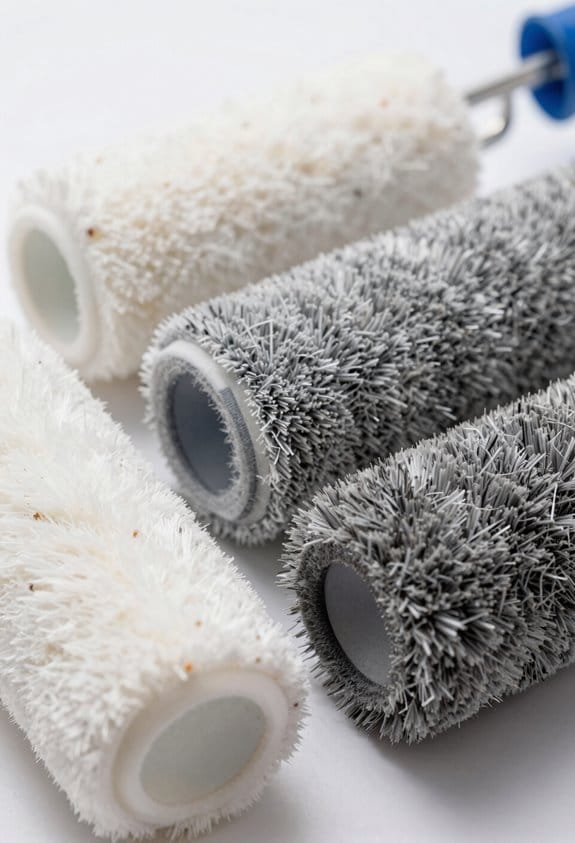
Evaluating the right nap length for semi-smooth surfaces can really change your painting game. Have you ever noticed how important nap length is when you’re trying to get a flawless finish? For those semi-smooth surfaces, you’ll want to grab a paint roller cover with a nap measurement between 3/8 to 1/2 inch. This size is perfect because it balances paint pickup and coverage.
Here’s the trick: a medium nap covers minor imperfections on lightly textured walls, making it easier to get that nice, even finish we all strive for. You don’t want to waste time going back and forth over the same spot, right? Plus, using the correct nap length helps reduce those pesky roller marks, giving your walls a consistently smooth appearance.
Now, while you’re painting, pay attention to your technique, too. To keep that seamless look, try to maintain a wet edge by frequently reloading your roller with paint. It’s a small detail, but it really makes a difference in your results. Honestly, this can be the key to achieving a more professional finish.
Choosing a roller frame with an ergonomic design can also reduce fatigue and improve control during longer painting sessions.
Recommended Products


Provides the most lint free-finish

✔ PREMIUM MICROFIBER PAINT ROLLERS: Add some color to your space with True Blue Premium Microfiber Paint Roller Covers. Our premium microfiber paint roller covers are perfect for painting all types of surfaces; just pick the nap length appropriate for your use. Our microfiber roller covers pick up and release 3x more paint than a standard roller cover allowing you to paint faster and deliver excellent coverage and a smooth finish in one coat.
The Value of Long Nap Rollers for Rough Surfaces
Want to know the secret to getting a smooth paint job on those bumpy surfaces in your home? Let’s talk about long nap rollers. These rollers, which usually range from 3/4 inch to 1 1/2 inches, are your best friends when tackling textured walls like stucco or brick. They’re designed to dive into every dip and groove, ensuring that your paint goes on evenly, no matter how rough the surface is.
Using long nap rollers can save you a lot of time and energy. They hold more paint than standard rollers, which means you can cover a larger area in less time. Imagine not having to constantly go back to refill your roller; that’s what these guys bring to the table. Plus, they do a fantastic job filling in those small cracks and crevices, so you’re left with a nice, uniform finish.
When you’re rolling, don’t be shy about applying a little extra pressure. That helps push the paint right into those valleys and peaks of texture. This tip is especially handy when you’re using thicker paints or need to layer multiple coats for full coverage.
So, why does this matter? It’s all about achieving the best finish possible on those tricky surfaces. Honestly, who wants to end up with a splotchy look after all that hard work? To keep your workspace neat and efficient, consider pairing your long nap rollers with deep capacity paint trays designed to hold more paint and minimize refills.
Recommended Products

First choice for value and performance in a production cover, excellent paint pickup and release

Waterproof Resin Adhesive: The adhesive is made from waterproof resin for water resistance.

Enough Quantities: you will receive 100 paint roller covers that come in yellow and white color, there are enough quantities for you to use and replace, you could also share them with other people for painting together
Techniques for Using Different Nap Lengths Effectively
When it comes to painting, have you ever noticed how the surface you’re working on can totally change your approach? Picking the right nap length for your rollers is crucial, and trust me, it can make a huge difference in how your paint job turns out. For smooth surfaces like drywall, you’ll want to go for a short nap, around 1/4” to 3/8”. Applying paint with light pressure while moving in a W pattern will really help you get that flawless finish.
Now, if you’re tackling something a bit more textured, like semi-rough surfaces, using a medium nap, which is about 1/2” to 3/4”, is the way to go. Keep that roller moving steadily, and if you notice it’s losing its coverage, don’t hesitate to reload it often. You want to maintain an even finish, and that might mean putting in a little extra effort.
Rough surfaces, such as stucco, require a different approach entirely. In these cases, longer naps of 3/4” to 1” are your best friends. Here’s the trick: apply a bit more pressure to make sure the paint gets into all those nooks and crannies. It’s also a good idea to keep a wet edge as you paint and always test your roller on a scrap piece first to be sure you’re on the right track.
So, why does this matter? Knowing how to choose the right roller nap not only saves you time but also ensures that your finished project looks professional. Frankly, the last thing you want is to finish painting just to find out you’ve got uneven patches everywhere. Remember, each surface is different, so take the time to adapt your technique accordingly. To stay comfortable and avoid distractions during such tasks, wearing breathable materials like polypropylene in your coveralls can make a significant difference.
Recommended Products

Use with all-purpose oil and latex enamels, stains and flat paints

Proprietary, dark gray, shed-resistant fabric for all epoxies and urethanes

The polyamide fiber holds as much paint as Lambskin yet is much more durable
Top Mistakes in Roller Cover Selection and How to Avoid Them
Have you ever started painting only to end up frustrated with the finish? Choosing the right roller cover is crucial, and so many of us trip over the same mistakes.
One common blunder is using a long nap roller on smooth surfaces. This can lead to an overly textured finish that nobody wants. Instead, go for a short nap roller, around 1/4 to 3/8 inch, to keep your paint job looking sleek.
On the flip side, when you’re tackling textured surfaces, a longer nap roll is necessary. Aim for a nap size of 3/4 to 1 inch. Trust me, it makes a significant difference in coverage.
Material matters too. Make sure to choose the right roller cover based on your paint type—this can save you so much time and effort down the line. Here’s the trick: always test on a scrap piece before diving into your project.
And let’s be honest, while it might be tempting to go for the cheapest option, skimping on quality can leave your work with a patchy finish that could frustrate you later. You want your space to look its best!
In a nutshell, remember to match your roller naps to your surfaces and materials. What’s your biggest painting challenge?
Also, always ensure safety by using the appropriate equipment designed for your task, such as ladders complying with ANSI and OSHA standards, to avoid accidents during painting projects.
Recommended Products
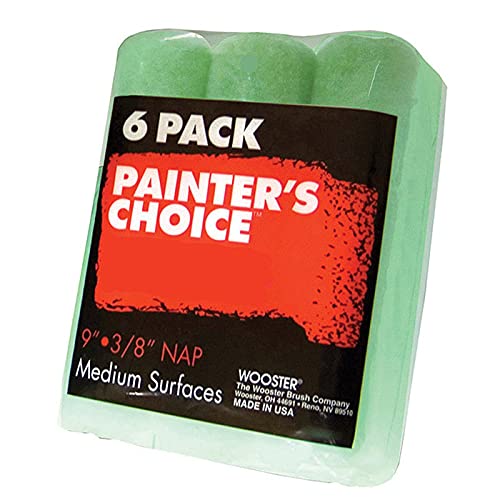

✅ This kit is for FULL FLAKES COVERAGE, giving you a denser, more uniform flake finish with less base coat showing through. For a lighter, more spaced flake look, check our other listings for MEDIUM FLAKES COVERAGE option.

✅ This kit is for MEDIUM FLAKES COVERAGE, giving you a balanced flake finish that still lets more of the base coat show through. For a denser, more uniform flake look, check our other listings for the FULL FLAKES COVERAGE option.
Best Practices for Cleaning and Maintaining Roller Covers
Have you ever struggled with cleaning roller covers after a big painting project? It can be a hassle, but a solid cleaning routine can make all the difference in keeping your roller covers in great shape. Right after you finish painting, don’t let that paint dry on the roller. Try rinsing them immediately with warm water if you used water-based paints, or grab some mineral spirits for oil-based paints. This helps get rid of the excess paint.
Here’s the trick: after rinsing, using a roller cleaner or spinner can help eliminate moisture quickly. Soaking roller covers is a bad idea since it can damage the fibers, shortening their lifespan. It’s also smart to inspect and clean your covers before and after each use to get rid of any lint or loose fibers. That little step improves your paint application and gives you a smoother finish!
For storage, keep those clean roller covers upright in a dry spot. This helps them maintain their shape, making them ready for your next project. Honestly, a bit of effort goes a long way in ensuring your tools last longer. Disposable protective gear like Tyvek suits can also be useful during painting projects to keep your clothes clean and provide comfort.
Frequently Asked Questions
What Roller Nap Is Best for Smooth Surfaces?
For smooth surfaces, we recommend a 1/4 to 3/8 inch roller nap. This nap type guarantees even application, excellent finish quality, and efficient paint absorption, maximizing our painting techniques and improving project efficiency with high-gloss paint options.
What Size Roller Nap Will You Use for Textured Walls?
For textured walls, we’ll use roller nap options of 3/4 to 1 inch, ensuring effective paint application techniques. Let’s consider roller types comparison and surface preparation tips for a flawless finish on our DIY painting projects!
What Nap Should I Use for a Textured Ceiling?
For a textured ceiling, we recommend using a roller nap of 3/4 to 1 inch. This guarantees great coverage. Proper application techniques and roller maintenance are essential for achieving a smooth finish with ceiling paint.
What Length Roller Nap Could Be Used to Provide a Fine Textured Finish?
When we’re aiming for that fine finish, a 3/4 to 1-inch roller nap is our go-to. It enhances texture, boosts paint absorption, and guarantees smooth coatings have impressive durability and surface compatibility during paint application.