As an Amazon Associate, we earn from qualifying purchases. Some links on this site are affiliate links at no extra cost to you. Our recommendations are based on thorough research and editorial judgment.


Corner Rolling Tools: When They Work and When They Leave Lines

Ever tried painting a corner with a roller only to end up with lines and uneven patches? It’s frustrating, right? Corner rolling tools can save you so much hassle if you know how to use them properly. They’re designed with angled edges to help you glide around corners, but there’s a bit of a technique to it.
You may be interested


To avoid those pesky lines, start by loading your paint the right way. It may seem simple, but if you overload your roller, it can lead to drips. Keeping consistent pressure as you roll is key too. It helps keep your strokes even.
And let’s talk about angles; extreme positioning can make things worse, so try to stick to a natural wrist position.
Here’s a little trick: overlapping your passes can really help blend those colors together. And don’t forget about cleaning your tools often! Dried paint can really mess with the final look, so keep your rollers and brushes fresh.
Oh, and quality matters! When you choose high-quality rollers, you’ll notice a difference in how they minimize streaks and splatter. It might seem like a small detail, but it can take your project from amateur to professional.
In the end, mastering these techniques will lead to smoother finishes.
So, what’s holding you back from trying this out? Just take it step by step, and before you know it, you’ll be rolling like a pro!
Key Takeaways
- Corner rolling tools work effectively in tight spaces by utilizing angled edges to create clean, precise lines without needing touch-ups.
- Proper paint loading is essential; incorrect loading can lead to streaks and an uneven application.
- Maintaining consistent pressure while rolling helps achieve smooth finishes and prevents excessive paint buildup in corners.
- Avoiding extreme angles during application preserves stroke quality and results in a more uniform look.
- Regularly cleaning corner rollers prevents dried paint accumulation, which can diminish performance and cause visible lines.
Understanding Corner Rolling Tools: Essentials for Flawless Finishes

Have you ever tried painting a corner only to find that your roller just can’t reach it? It can be so frustrating, right? That’s where corner rolling tools come in handy. These tools are designed with angled edges that help you navigate tight spaces and corners that standard rollers tend to miss.
A corner roller glides smoothly along walls, making it much easier to get clean lines without those annoying touch-ups. The best part is, they’re user-friendly, so whether you’re a DIY newbie or an experienced pro, you’ll find them straightforward to use.
You can choose from a variety of sizes and styles to match your specific projects. That means you can tackle everything from small detail jobs to larger spaces without any hassle. Here’s the trick: mastering a few techniques, like how to load paint onto the roller and adjusting your angle, can really improve your end results.
Frankly, investing in good corner rolling tools is worth it. They help cut down on mistakes, increase your efficiency, and lead to finishes that look professional. When you’re painting, why not strive for the best results possible? Using a primer with strong adhesion properties beforehand can further enhance your paint job’s durability and appearance.
Recommended Products

The QLT by MARSHALLTOWN Joint Roller is the ideal drywall tool for applying drywall joint compound or mud.

PAINT EDGER TOOL KIT INCLUDES: 4 different shapes of paint edger pads, 9-Inch paint trim edger Pad, 360 ° rotating paint edge trimmer, corner painter pad, 1-Inch Mini trim pad and 9-inch paint tray, and 2 refill pads for replacement when needed. Not include extension poles
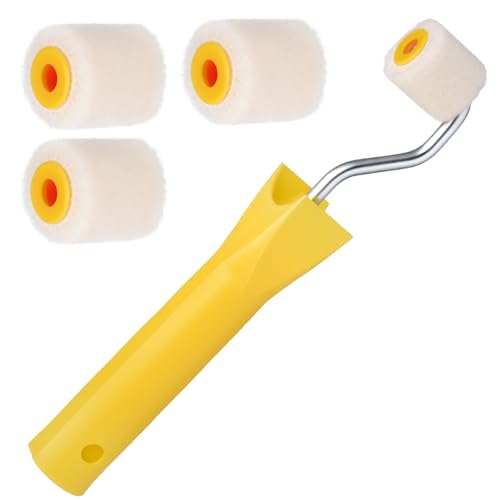
【Package Contents】This mini paint roller set includes 1 small roller paint brush and 4 identical 4/5 inch mini rollers, small paint roller are designed for detailed work on trim, edges, and corners
Essential Features for Effective Corner Rollers

When it comes to getting those perfect corners while painting, it can be pretty frustrating, right? You don’t want to leave unpainted spots or deal with messy lines. So, let’s talk about the features that really matter when choosing corner rollers.
For starters, look for those angled edges. They’re a big help! They glide smoothly along walls and ceilings, which means fewer streaks where two surfaces meet. Also, choosing smaller roller sizes can do wonders for those tight spaces. You’ll be amazed at how they can fit into corners and make sure every bit of your wall gets that fresh coat.
Quality matters too. A good roller will give you clean lines and sharp corners, so you won’t find yourself constantly going back for touch-ups. So, what should you keep in mind? Here are a few tips:
- Opt for unique angled edges to reduce streaking.
- Smaller roller sizes are great for tight spots.
- Quality rollers help achieve crisp lines.
- Dual-action designs can improve your color transitions.
Here’s the trick: practice makes perfect! Mastering paint loading and adjusting angles can elevate your painting game. It’s all about precision and efficiency, which is key to making your projects look top-notch.
Recommended Products

COMPLETE 12-PC PROFESSIONAL SET:Includes 4" tray ×1, snap-fit handle ×1, reusable liners ×2, liner cover ×1, dual-brown microfiber sleeves ×4, white microfiber sleeves ×2, and 1.5" angled brush ×1. Perfect for walls, ceilings, trim, cabinets, and furniture

Get everything you need for any painting project with this all-in-one set: 1 sturdy 4-inch roller frame with a soft ergonomic handle, 1 durable magnetic paint tray, 2 tray liners, 5 high-density foam roller covers, 1 angle 2-inch paintbrush, and a drop cloth. Designed for easy use and cleanup, this kit is ideal for DIYers and professionals alike

Comprehensive Package: the package includes 8 roller replacements and 1 paint brush handle, offering a complete painting solution; With everything you need in one package, you're equipped to handle various painting tasks confidently and efficiently, ensuring every surface is expertly finished
Common Mistakes: How to Avoid Errors With Corner Rollers

Ever tried using a corner roller, only to end up with streaks and missed spots? You’re not alone! Poor paint loading is a common pitfall that can ruin your project. To keep it smooth, make sure your roller is filled up properly before you start.
You also want to maintain consistent pressure while rolling. If you’re varying your pressure, you’re bound to create those annoying lines that nobody wants. And let’s be real, avoiding crazy angles is key—those can totally mess up your smooth strokes. Instead, focus on making overlapping passes along the corner joint; it’ll help with blending and make the lines disappear.
And don’t forget about cleaning your roller! Honestly, dried paint is a disaster waiting to happen for your next application, leaving you with marks you really don’t want to see. Keeping your roller clean can make a huge difference in your results. Choosing the right nap length for your surface also helps achieve a flawless finish without streaks.
Recommended Products

The largest selection of tools manufactured to the highest quality standards

【CLEAR CUT FOR CORNER】The paint roller head adopts a round head design, which is suitable for corner painting. Ensures smooth and even application of paint or drywall mud in hard-to-reach areas.

All-in-One Performance: Our corner roller is designed to streamline your drywall finishing process by combining mud application and tape creasing in one go.
Mastering Corner Rolling Techniques
Mastering corner rolling techniques can feel tricky, but there are some straightforward tips that can really make a difference. Ever rolled paint and found yourself battling with those pesky corners? Let’s tackle that.
First off, it’s all about getting to know your corner roller. Using even pressure is key, so your finish isn’t all wobbly. You also want to angle the roller just right—it’s like having the perfect angle for a selfie! This helps you reach those tight, tricky spots without messing up your edges.
When you’re loading paint on the roller, make sure you don’t overdo it. Too much paint can lead to drips, and trust me, nobody wants that. On the flip side, not enough paint will leave you with those annoying bare patches. So, just the right amount is your goal.
Try this: when blending colors, roll in both directions. It’s a simple way to get those shades to merge nicely without harsh lines.
And let’s talk cleanup. The truth is, regularly cleaning your roller while you’re in the middle of a project can really save you from color contamination. No one wants their beautiful finish ruined by unwanted shades—yuck!
Also, using paint strainers can help ensure that your paint is free of impurities, leading to a smoother and more professional finish on your walls.
Choosing the Best Corner Rolling Tools for Your Projects
Choosing the right corner rolling tools can really make a difference in your painting projects. Have you ever struggled to get a sharp line where the wall meets the ceiling? If you’re aiming for that clean, professional finish, investing in the right tools is key.
Think about the size of your corner roller. Smaller sizes, around 4 to 6 inches, are a smart choice for reaching those annoying tight spots where standard rollers fall short. But size isn’t everything; material also matters. Opting for durable materials like PET or rubber can give you a longer-lasting tool that’s easier to handle.
Here’s the trick: look for rollers that can do double duty. Those that can blend colors really help when you’re transitioning from walls to ceilings. The best part is, high-quality corner rollers can save you time and effort, minimizing those pesky touch-ups later.
So why does this matter? Because nobody wants to spend more time painting than they have to, right? If you choose wisely, you’ll find that not only will your painting be more efficient, but the results will speak for themselves.
In short, take some time to figure out what corner rolling tools will work best for your projects. What’s your go-to tool for tackling those tricky corners?
Recommended Products

Paint Hard-To-Reach Spots - Having a tough time reaching high ceilings, wall corners, or stairwells with your paint brush? Our multi-angle paint brush extender lets you paint...
Keeping Your Corner Roller Running Smoothly
Have you ever struggled with getting that perfect finish in the corners when painting? It’s frustrating when your tools don’t cooperate, but there are ways to keep your corner roller working like a charm.
First off, cleaning those edges is a must. Regularly wiping them down helps avoid that annoying paint build-up. You want to achieve a smooth application, and trust me, fewer lines make a noticeable difference. Just take a minute after each use to clean them up.
Next, let’s talk about paint loading. It sounds simple, but a well-loaded roller can really change the game. If it’s not fully loaded, uneven application is likely to happen, and that’s no fun for anyone. Make sure you’re applying enough paint to the roller before diving in.
Maintaining the right angle is crucial too. Think about it: When the angle is spot on, you’re applying just the right pressure against the wall, which gives you those crisp lines everyone craves. Experiment a bit until you find what feels comfortable for you.
And seriously, don’t skimp on the paint. Cheaper options might save you a few bucks initially, but they can end up causing streaking. Quality paint goes a long way in keeping your hard work looking sharp.
Practicing your corner rolling technique regularly can also make a world of difference. The more experience you gain, the better you’ll become at it.
Tips for Perfect Corner Finishes Using Corner Rolling Tools
You ever struggle with getting those corners just right when painting? I’ve been there, and it can be super frustrating. When you’re aiming for perfect corner finishes, having the right corner roller is key. A roller with angled edges can make a world of difference—it helps glide smoothly and apply paint evenly in those tight spots.
Try this: apply gentle pressure as you roll into adjacent trims and ceilings. Trust me, this simple step can save you a ton of time on touch-ups later. Make sure to dip the roller in the paint tray just like you would with any regular roller. This helps prevent streaks, ensuring you end up with clean, crisp finished corners.
Now, here’s the trick: don’t be afraid to play around with different textures and painting techniques. Experimenting might just elevate your project’s look. And hey, the best part is that the more you practice, the more comfortable you’ll become with the roller. It’s all about building your skills to achieve those professional-quality finishes.
For optimal results, selecting a roller with an ergonomic handle grip comfort can greatly reduce fatigue during intricate corner work.
Enhancing Your Painting Skills: When to Invest in Quality Tools?
Have you ever watched someone paint and wondered how they get that perfect finish while you end up with streaks or uneven patches? It often comes down to the tools they’re using. When you invest in quality corner rolling tools, you’ll notice a big difference. For example, high-quality rollers help reduce streaks, leading to a more professional-looking paint job. They’re built to minimize splatter, plus they create those crisp edges that can make or break your project.
What’s the benefit of choosing better tools? You often find you’re not wasting time on touch-ups because everything goes on smoother from the start. The frustration of a messy project? Cut down significantly. Instead of spending hours perfecting a bad result, quality tools let you work faster and more efficiently.
Here’s a tip: Next time you’re planning a painting project, think about your tools. Are they up to the job? If what you’ve got isn’t cutting it, putting some money into better gear could really pay off. For instance, selecting tools with adjustable flow control can help reduce overspray, enhancing the quality of your painting.
So, why does this matter? Imagine stepping back at the end of your project and seeing a consistent, beautiful finish. That sense of satisfaction and pride is worth the investment.
In the end, choosing quality tools enhances your painting skills and the overall enjoyment of the task. It’s about finding the balance between cost and quality for lasting results. What do you think? Ready to invest in your next set of painting tools?
Frequently Asked Questions
How to Use a Cornering Tool?
To use a cornering tool effectively, we should practice corner tool techniques, ensuring even paint application. Continuous drywall finishing and proper corner roller maintenance will help us achieve seamless edges and prevent unsightly lines during our projects.
How Do You Avoid Cracking Drywall Corners?
In our quest for drywall perfection, we utilize techniques like proper joint tape application and high-quality finishes. By following corner finishing tips and preventing corner damage, we can successfully avoid cracking those troublesome drywall corners.
What Is the Tape Tech Inside Corner Roller?
The Tape Tech Inside Corner Roller’s unique design combines various corner roller types, featuring an ergonomic handle for comfort. Its benefits include smooth application, versatility for angles, and durability, ensuring a professional finish on our drywall projects.
How Do You Load a Corner Roller?
As we dip our corner roller into the paint, we envision smooth edges emerging. By mastering corner roller techniques, we enhance our ideal loading while avoiding common mistakes that lead to messy applications. Let’s paint flawlessly together!