As an Amazon Associate, we earn from qualifying purchases. Some links on this site are affiliate links at no extra cost to you. Our recommendations are based on thorough research and editorial judgment.

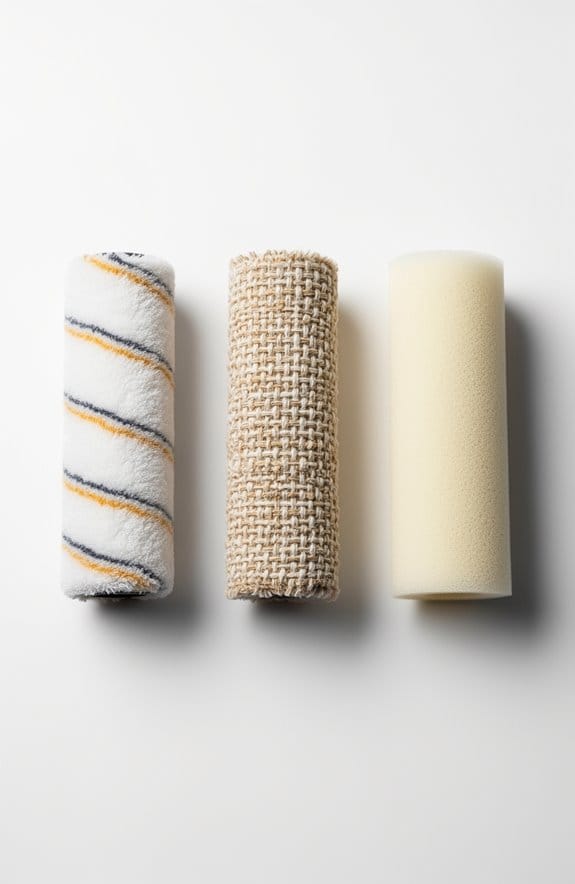
Microfiber vs Woven vs Foam Roller Covers: Finish and Load Differences

When you’re gearing up for a painting project, picking the right roller cover can feel overwhelming. With so many options out there like microfiber, woven, and foam, you might wonder which one’s best for your needs. Each type has its own perks and quirks that can seriously impact your results.
You may be interested


Microfiber rollers are like the heavyweights of the group. They can soak up to four times their weight in paint, making them perfect for covering large spaces quickly and smoothly. If you’re tackling a big wall or ceiling, they can save you time while giving you that nice, even finish.
On the flip side, woven rollers shine when it comes to glossy finishes. If you’re going for a shiny look on doors or trim, they’re the way to go. They’re designed to work well with higher-viscosity paints, ensuring that you get the right finish without too much fuss.
Foam rollers are great for detail work or smaller projects, but there’s a catch: they can sometimes create air bubbles. If you’re not careful, those bubbles can mess up your finish. So, if you’re painting intricate areas or want to touch up furniture, grab a foam roller, but make sure to keep an eye out for any mishaps.
Wondering how to decide? Think about the surface you’re painting. For broad, flat areas, go with microfiber. For shiny surfaces, grab a woven roller. And for tight spots, pick up a foam roller.
Honestly, the choice can make all the difference in your painting experience. So take a moment to consider what finish you’re aiming for and what type of work you’ll be doing. It’ll save you from a lot of frustration down the line.
In short, each type of roller has its place in your painting toolkit. With a bit of thought, you can choose the right one to help you achieve your desired results. What’s your next DIY project?
Key Takeaways
- Microfiber roller covers offer high paint load capacity and smooth finishes, suitable for large areas with minimal spatter.
- Woven roller covers are best for glossy finishes, providing a smooth application and shedding resistance.
- Foam rollers deliver ultra-smooth applications but may bubble and have limited paint capacity, making them less efficient for large areas.
- Short nap roller covers (1/4-inch) are recommended for smooth surfaces, while higher naps (1-inch) are needed for textured areas.
- Choosing the right roller depends on surface texture, desired finish, and paint load capacity to optimize efficiency and quality.
Understanding the Basics of Roller Covers
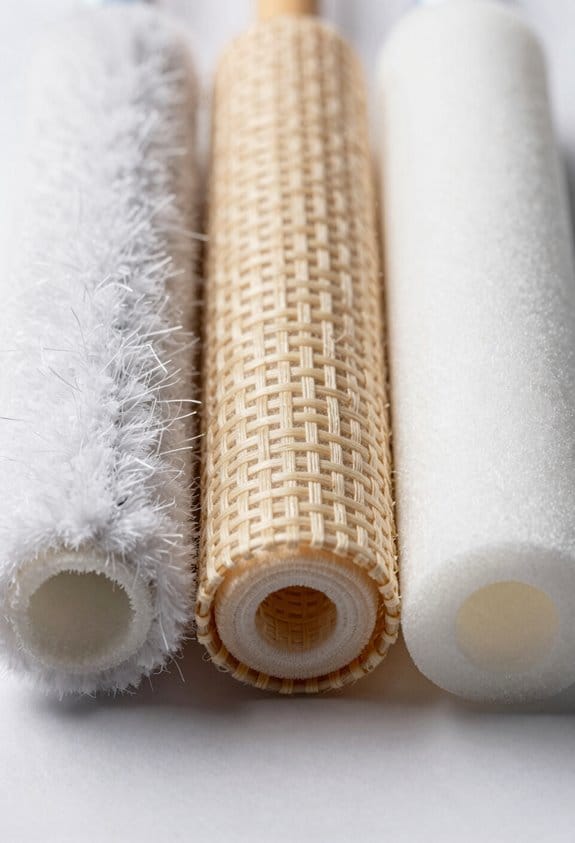
Ever tried painting a room and ended up with more paint on yourself than the walls? Yeah, we’ve all been there. That’s why it’s crucial to choose the right roller cover for the job. When it comes to smooth finishes, microfiber roller covers are the way to go. They hold a lot of paint and really cut down on spatter. You’ll appreciate a nice even coat without the mess.
For those glossy finishes, you’ll want a woven roller cover. They don’t shed, so you won’t have to worry about little bits of fluff ruining your hard work. If you’re after that ultra-smooth finish on furniture, foam rollers are perfect—just make sure you don’t trap any air in them, or you’ll end up with unsightly bubbles.
Now let’s chat about nap height. What’s that, you ask? It’s the length of the fibers on the roller. A shorter nap is excellent for flat surfaces since it loads and releases paint nicely. On the other hand, if you’re tackling textured surfaces, go for a longer nap to really get into those grooves. The right roller cover can make a huge difference in how your paint job turns out.
Choosing the proper nap length based on your surface ensures optimal paint retention and a flawless finish.
How Different Roller Types Affect Your Paint Finish

Choosing the right roller type for your paint project can seriously make a difference in how your finish looks. You definitely want to avoid that frustrating feeling when you step back and realize your hard work isn’t what you envisioned. So, what roller should you grab?
If you’re aiming for a super smooth finish, a microfiber roller is the way to go. It gives you a lint-free result and works wonders for big projects. Want that sleek, sophisticated look? Woven roller covers are your best bet, especially if you’re dealing with high sheen finishes on smoother surfaces—they’re shed-resistant, which is a real plus.
Are you tackling cabinets or furniture? In that case, a foam roller can be a great choice. Just keep an eye on potential bubbles—you want to steer clear of those! And if you’re working on textured surfaces, remember that higher nap rollers are what you need. They’ll give you that stippled finish, while lower nap rollers are key for maintaining a clean paint finish on flat surfaces.
So, why does this matter? It can really influence how your whole space feels once you’re done. Try testing out different rollers on a small area to see which gives you the look you want. For projects involving thick coatings like polyurethane, consider tools with adjustable nozzle sizes to manage paint viscosity effectively.
Recommended Products
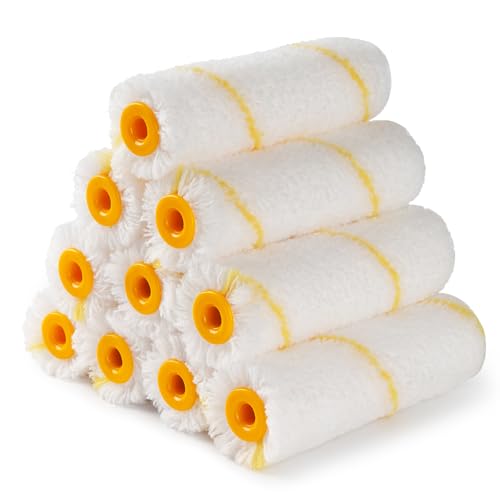
High-Quality Microfiber Material: Our paint roller covers are constructed from premium microfiber, ensuring no shedding and providing a smooth application for all paints and stains

Efficient Performance: 3/8-inch nap holds an ample amount of paint for time-saving convenience and fast, even paint application

Efficient Performance: 3/8-inch nap holds an ample amount of paint for time-saving convenience and fast, even paint application
Paint Load Capacity: Which Roller Holds More Paint?

How effectively can a roller hold paint impact our painting efficiency? It definitely matters! The paint load capacity differs widely between roller types, and understanding this can save you time and frustration on your next project.
If you’re tackling a large area, microfiber rollers are a fantastic choice. They can hold up to four times their volume in paint, meaning less time reloading and more time actually painting. Less downtime is a huge boost for efficiency! On the other hand, woven rollers might give you that smooth finish you want, but they don’t hold as much paint. This means you’ll be stopping more often to reload, which can slow you down.
Foam rollers can be great for achieving a nice finish on cabinets, but they also struggle with capacity. If you’re planning to cover extensive walls, they might not be the best pick. So, why does this matter? Choosing the right roller means you’re optimizing your time and ensuring professional-looking results.
When picking a roller, consider the paint load capacity alongside the finish you’re after and the type of surface you’re painting. Balance is key to achieving the best results. Truth is, a little extra thought in your roller choice can make a big difference in your painting experience.
Thinking about starting your painting project? Take a moment to weigh your options and select the right roller for the job. What’s your go-to roller for different projects?
Additionally, selecting tools with durable material quality ensures better performance and longevity during your painting tasks.
Recommended Products

Our no-shed microfiber roller covers ensure a perfect paint or stain finish for stunning results.

Bates paint roller covers come in a convenient pack of 3, perfect for small to medium painting projects.
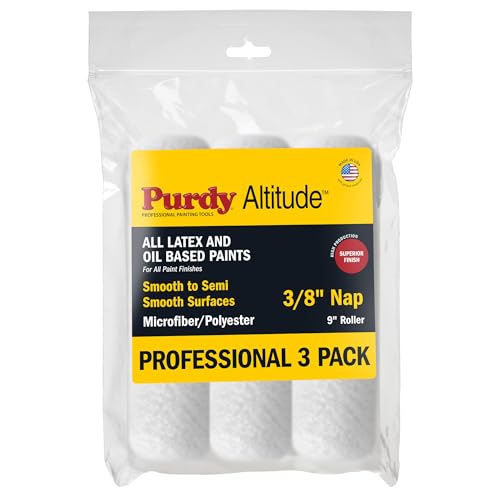
Ultra smooth, uniform finish
Best Uses for Microfiber, Woven, and Foam Roller Types
Have you ever been frustrated with paint finishes? Choosing the right roller cover can make a big difference in your painting projects.
Microfiber roller covers are a favorite for a reason. They’re fantastic for covering large surfaces while achieving that smooth finish we all crave. The cool part? They can hold up to four times their weight in paint, making your job easier and faster.
When it comes to glossy finishes, like semi-gloss paints, woven covers really shine. They provide a lint-free application and minimize shedding, which means you get a clean look without those pesky fibers messing up your work. If you’re tackling something like trim or doors, these are definitely worth considering.
For those delicate projects, such as cabinetry and furniture, foam rollers are a great choice. They can deliver an exceptionally smooth finish, but be careful! Applying them too quickly or aggressively can lead to bubbling, which isn’t what anyone wants to see. So, slow and steady wins the race with these rollers.
The bottom line? Selecting the right roller cover can really elevate your paint job. Think about the type of project you’re working on and what finish you’re after. Also, consider paint compatibility options to ensure your roller cover works well with the paint type you choose. Have you tried different types? What’s worked best for you?
Recommended Products
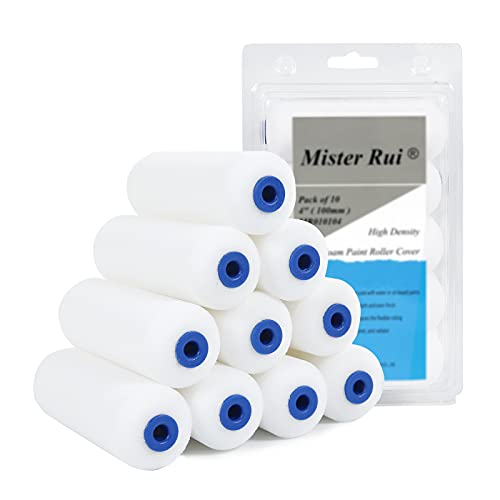
Small paint roller, 4 Inch foam paint roller covers can be used with oil and water based paints

10-PACK PRO BUNDLE: 4 inch 50 kg/m³ foam paint roller covers 10 pack. Cost-effective solution for contractors. Fits all 4" frames – swap sleeves instead of cleaning mid-project

Bates paint roller covers come in a pack of 30, offering a generous supply for multiple painting projects or larger jobs.
How to Select the Right Roller Cover for Your Project
Choosing the right roller cover can really make or break your painting project. Ever tried to paint a smooth wall only to end up with a splotchy finish? It’s frustrating! A few key factors can help ensure you get the outcome you’re after.
Let’s start with the surface you’re dealing with. If it’s smooth, opt for a lower nap size, like a 1/4-inch microfiber roller cover. This type holds more paint and helps cut down on messy splatter. And if you’re working with glossy finishes, a woven cover is the way to go. They don’t shed lint, which can mess up that clean look you’re aiming for.
When it comes to cabinets, foam roller covers are fantastic because they provide that ultra-smooth application. You want those edges crisp and clean, right? Higher naps, such as 1-inch, are perfect for rough surfaces, allowing you to cover all those nooks and crannies seamlessly.
So, why does this matter? Matching the roller cover’s material and nap to your paint type and the surface really does guarantee the best results. You want that flawless finish, after all!
To sum it up, take the time to choose wisely. A little prep on the front end can save you a lot of headaches down the line. What projects are you planning to tackle next? Additionally, ensuring you use high-quality paint strainers to filter your paint beforehand can prevent clogs and imperfections in your finish.
Recommended Products

Package Include 10 pieces 6 inch microfiber paint roller covers
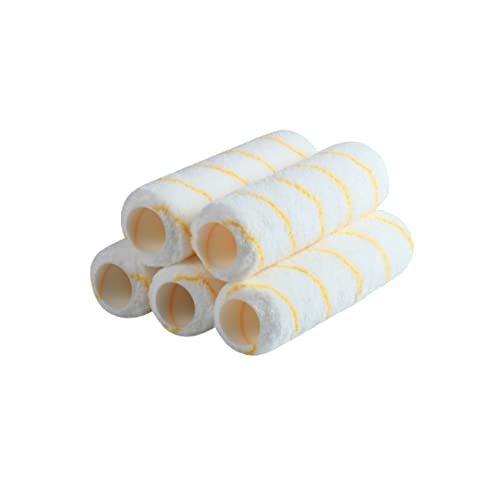
Professional 9" Roller Naps
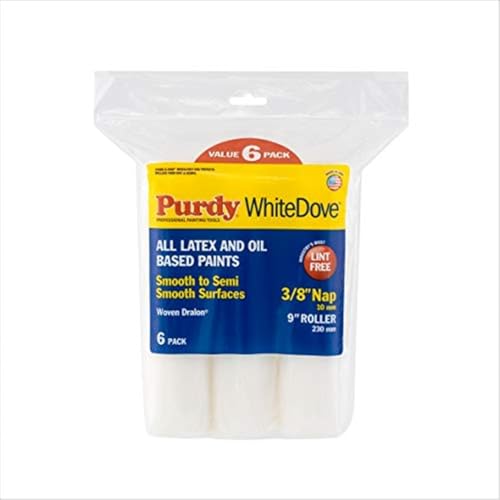
PURDY PAINT ROLLER COVERS – Purdy WhiteDove roller covers provides a smooth, lint-free finish. Handcrafted in the USA, this Purdy roller paint cover is ideal for drywall, ceilings, and floors.
Frequent Errors in Roller Cover Selection
Ever tried painting a wall only to end up with a less-than-perfect finish? Choosing the wrong roller cover can turn what should be a fun project into a frustrating mess. One of the most common blunders is getting the nap size wrong. If you’re working on smooth surfaces, stick with low naps—about 1/4 inch works best. On the flip side, if you’ve got textured areas, opt for a higher nap, like 1 inch, to really grab that paint.
Now, let’s talk about those foam rollers. Many folks think they’re a great choice for wall painting, but the truth is, they can lead to bubbles and uneven finishes. Instead, look for a roller cover fabric that matches your project. For flat finishes, knit covers do a fantastic job of distributing paint evenly, while microfiber is perfect for those intricate details and touch-ups.
Have you ever considered how surface texture affects your choice of roller cover? Ignoring this can seriously compromise your finish quality and overall coverage. Failing to match the right roller with your surface means risking a patchy look. Additionally, using adjustable spray patterns when applying paint can significantly improve coverage and finish consistency.
Recommended Products

Bates paint roller covers set includes 6 high-quality replacement rollers designed to deliver smooth, even, and professional paint coverage on a variety of surfaces.
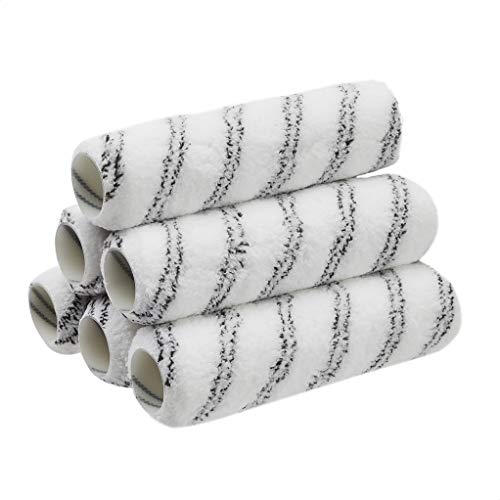
Efficient Performance: 3/8-inch nap holds an ample amount of paint for time-saving convenience and fast, even paint application
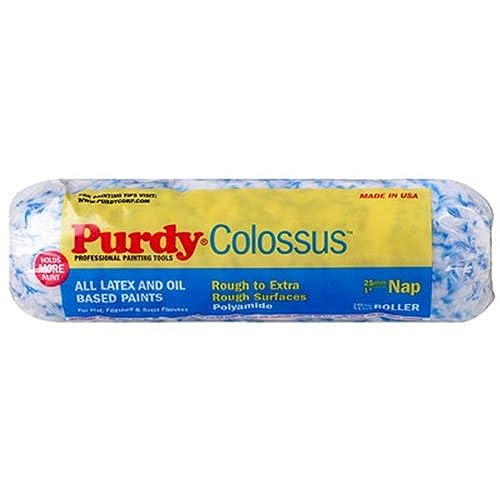
Rough to Extra Rough Surfaces
Frequently Asked Questions
What Is the Best Material for Roller Covers?
For roller covers, we’ve found microfiber offers excellent paint pick-up and durability, while woven types excel in glossy finishes. Cleaning roller covers properly guarantees longevity, making all roller cover types valuable depending on our paint application techniques.
Which Roller Gives the Smoothest Finish?
For the smoothest finish, we’d say microfiber rollers excel in roller finish comparison. Their superior paint absorption rates and proper application techniques help minimize surface texture impact, ensuring quicker drying times and a flawless final appearance.
Is a Microfiber or Foam Roller Better?
We’ve found that microfiber rollers can hold up to four times their volume in paint, making them superior for paint application. Their benefits include durability and easier cleaning methods compared to foam roller techniques, which can struggle.
Are Microfiber or Woven Paint Rollers Better?
We think woven paint rollers are better for smooth surfaces due to their durability and minimal shedding. However, microfiber excels in paint absorption and maintenance for textured areas, making both options valuable depending on your project.


