As an Amazon Associate, we earn from qualifying purchases. Some links on this site are affiliate links at no extra cost to you. Our recommendations are based on thorough research and editorial judgment.

How to Estimate Paint Quantity: Coverage, Coats, and Wastage Explained

Estimating how much paint you’ll need can feel like a bit of a puzzle, right? But don’t worry, I’ve got some solid advice to help you figure it out.
You may be interested


First, you want to start by measuring your walls. Simply multiply the width by the height to get the surface area. And don’t forget to account for those pesky doors and windows! Subtract about 20 square feet for each door and 15 square feet for each window. Once you’ve got your total, it’s time to think about coverage. A gallon usually covers about 350-400 square feet, but if your walls are textured, you might need a bit more.
Try this: When choosing your paint, consider picking a good quality primer. It can really help with adhesion and allow you to use fewer coats of paint afterward. After all, quality matters! The more you invest in your paint, the better your finished project will look and the less you’ll need to fuss over multiple layers.
Honestly, one of the biggest tricks to saving on paint is taking precise measurements and being smart with your calculations. Think about your workflow to reduce any waste. For example, when you’re applying paint, do it in a consistent, methodical way to avoid going back and forth too much.
So, why does this matter? Because nobody likes to run to the store for another gallon of paint last-minute! Efficient planning means less hassle and a smoother experience overall.
In recap, measuring carefully, selecting quality products, and applying with strategy can really cut down on waste. What’s your next painting project?
Key Takeaways
- Measure wall dimensions accurately to calculate surface area, factoring in doors and windows for precise paint estimates.
- Understand that a gallon of paint covers 350 to 400 square feet, adjusting for textured surfaces which may require 50% more paint.
- Use high-quality paint for better coverage, reducing the number of coats needed for bold colors, which may require two to three applications.
- Select the right primer that matches your paint color to improve adhesion and minimize the number of coats needed for effective coverage.
- Minimize waste by buying in bulk and conducting a test patch to gauge coverage before starting the painting project.
Measuring Your Walls for Accurate Paint Quantity Estimates

When it comes to painting your walls, getting accurate measurements is crucial for buying just the right amount of paint. No one wants extra gallons sitting in the garage, right? Start by measuring the width and height of each wall. Multiply those numbers together for each wall to find the surface area, then add them up for the total square footage.
Don’t forget, you need to account for doors and windows. For each door, subtract about 20 square feet, and for each window, take off around 15 square feet. Every bit counts! If your walls have texture, they may soak up more paint—sometimes up to 50% more, which can really change your calculations.
Using a tape measure is usually the best way to go, but if you want to get fancy, a laser distance measurer can give you even more precision. This helps ensure you get an accurate estimate for your paint needs, including how many coats you’ll need for full coverage. So, why does this matter? Missing these details can mean you’re either running short or overbuying.
In the end, measuring right could save you time, money, and a lot of headaches. It all starts with being careful with those initial figures. Have you ever tried measuring a wall before? It can be easier than it sounds! For safely reaching higher walls during measurement, consider using lightweight aluminum ladders that provide both stability and portability.
How Coverage Rates Affect Your Paint Needs

Have you ever stood in the paint aisle wondering how much paint you actually need? Understanding coverage rates can save you a lot of headaches when it comes time to estimate paint quantities. Typically, a gallon of paint covers about 350 to 400 square feet. That said, the texture of your surfaces plays a big role in what you’ll need.
Textured walls, for example, can absorb about 50% more paint. So, before you start filling your cart, it’s important to think about the surfaces you’ll be painting. If you’re using high-quality paint, that can actually improve coverage and might spare you from having to apply so many coats. But here’s the catch: if you’re going with bold colors, plan on two to three coats for that perfect finish.
Don’t forget to check the specific coverage rate on the paint label before you make a purchase. Coverage can fluctuate depending on the brand and type of paint, so it pays to be informed.
Using a primer with strong stain-blocking features can also improve the final coverage and finish quality.
Truth is, getting your paint quantities right means less wasted paint and fewer trips to the store. And isn’t that what we all want? How do you plan to tackle your next painting project?
Choosing the Right Primer to Enhance Paint Application

Choosing the Right Primer to Enhance Paint Application
Ever picked up a paintbrush, ready to transform a room, only to realize the finish doesn’t look quite right? The difference often lies in the primer you choose. Primers not only help your paint stick better, but they also seal uneven surfaces, reducing the number of coats you need.
When you’re shopping for a primer, consider going for a tinted version that closely matches your final paint color. It can really cut down on extra layers needed to get that perfect look. If you’re planning to move from a dark color to something vibrant, a gray primer is a solid choice. It helps in achieving that smooth finish without piling on the layers.
Using primer on new drywall? It’s a smart move. It can greatly improve how the topcoat covers, and it prevents the wall from soaking up too much paint, saving you time and money in the long run. So, why does this matter? A proper primer can seriously set the stage for a successful paint job.
To sum it up, don’t skimp on your primer. Think about what will work best for your specific project and make that choice count. Are you ready to give your painting project the foundation it deserves? Additionally, selecting a primer with stain-blocking capabilities can ensure your final paint coat remains flawless and free of blemishes.
Accounting for Doors and Windows in Your Paint Calculation
Have you ever started a paint project only to realize halfway through that you’ve got way more paint than you need? It’s a common struggle, but there’s a way to avoid that unnecessary waste. Once you’ve picked out the perfect primer, it’s time to focus on the actual paintable area of your walls.
To get a clear picture, you’ll want to calculate the total surface area of your walls first. Then, think about the doors and windows you need to account for. For each door, plan to subtract about 20 square feet, and for each window, take off around 15 square feet from your total. It sounds simple, but it’s crucial for getting an accurate estimate of the space that’s really going to get painted.
Also, consider any architectural features like built-ins or alcoves. These can affect your calculations too—so don’t skip over them! How much you spend on paint depends on how well you prepare and count everything accurately.
To improve your results, remember that applying multiple thin coats of primer before painting can enhance paint adhesion and finish quality.
Trust me—taking the time to adjust your calculations can really pay off. It helps you avoid buying too much paint and saves you from those extra costs that can pop up. After all, wouldn’t you rather channel your money into something else, like the perfect finishing touches for that new look?
Practical Strategies to Minimize Paint Waste and Optimize Use
Are you tired of leftover paint sitting around after a project? It’s frustrating to see all that wasted product when you could have used it more efficiently. Here are some real-life tips to help you reduce waste and get the most out of your paint.
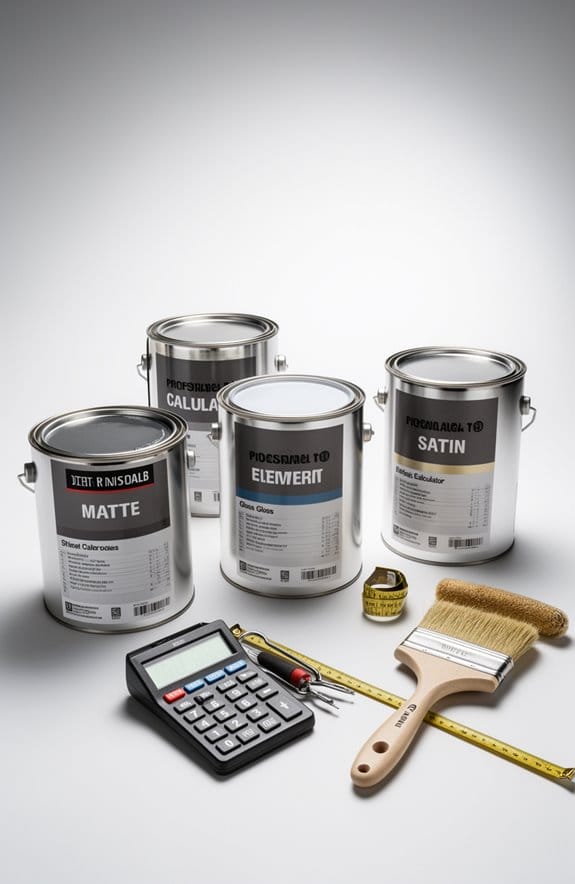
First, take a good look at your walls. Measure them accurately and don’t forget to deduct areas for windows and doors. A paint calculator comes in handy here. Just input your measurements and the coverage per gallon, and remember to consider the texture and sheen of your walls. This little step can really help in figuring out just how much you actually need.
Now, let’s talk about paint quality. Choosing a high-quality paint might seem like a splurge, but it often means you’ll need fewer coats. This not only saves you time but also cuts down how much paint you buy. It’s about being smart with your choices!
When it comes to purchasing paint, think about buying in larger quantities rather than lots of smaller cans. This helps minimize waste and usually saves you some cash too. Trust me, dealing with fewer cans is always easier.
Here’s the trick: Before diving into your project, always do a test patch on your wall. This can save you from making a costly mistake by helping you gauge coverage more effectively. Once you’ve got that patch, you can adjust your total estimate based on the results.
Additionally, selecting the right paint thinner compatibility can enhance paint flow and coverage, which optimizes the paint’s performance and reduces waste.
So, why does this matter? Keeping your paint usage efficient not only saves you money but also helps the environment by reducing waste.
Wrap it all up with these strategies and you’ll be well on your way to a smooth, waste-free painting experience. What’s your go-to tip for using paint effectively?
Frequently Asked Questions
How Do I Calculate Paint Coverage?
To calculate paint coverage, we must consider paint types, surface preparation, and application techniques. Evaluating drying time, finish options, and health safety guarantees a successful project, helping us make informed decisions about color selection and equipment rental.
How to Calculate Painting Estimate?
To calculate our painting estimate, we’ll consider paint type, surface preparation, color selection, and finish options. We can’t forget about drying time and tools needed, plus the environmental impact and cost factors involved in our project!
What Is the Thumb Rule for Painting Area Calculation?
When calculating painting area, we should consider the wall preparation, paint types, and surface texture. It’s essential to factor in color choices, application tools, drying times, ventilation needs, cost factors, and safety precautions, too.
How to Estimate the Quantity of Paint?
To estimate paint quantity, we’ll consider paint types, surface preparation, and application methods. We should also factor in drying time, color selection, paint finish, brush quality, roller techniques, and project planning for ideal results.