As an Amazon Associate, we earn from qualifying purchases. Some links on this site are affiliate links at no extra cost to you. Our recommendations are based on thorough research and editorial judgment.


HVLP Basics: Turbine vs Compressor HVLP and What Changes in Use

When you’re diving into your next painting project, the choice between turbine and compressor HVLP systems can really make a difference.
You may be interested


Do you need precision for those detailed touches, or are you tackling a bigger job that needs speed?
Turbine systems are super portable and usually operate below 10 psi, making them perfect for intricate work. They create less overspray, which is a big plus when you’re trying to keep mess to a minimum.
But truth is, if you’re looking to use thicker paints, they might not be the best fit.
On the flip side, compressor systems can handle those larger tasks effortlessly. They operate at higher pressures, which often means a faster application.
You can use a wider variety of materials with these systems, but keep in mind that you’ll need more space to set everything up.
So, what’s the real takeaway?
- Turbines are great for detail work but can struggle with heavier paints.
- Compressors are robust and versatile but require a larger setup.
Consider what you’ll be painting and how you’ll be using the equipment. Are you focused on fine details or is speed more important?
This could steer your decision one way or the other. Remember, each system has its strengths, but understanding how these differences play into your project will help you make the right choice.
In summary, weigh the pros and cons based on your specific needs.
What’s your next painting project going to be?
Key Takeaways
- HVLP stands for High Volume Low Pressure, designed to minimize overspray while achieving a professional finish.
- Turbine systems are lightweight, portable, and ideal for small to medium projects, offering low-pressure operation for detailed applications.
- Compressor HVLP systems operate at higher pressures, making them suitable for larger projects and thicker materials, despite being bulkier.
- Turbine systems generate less overspray and lower VOC emissions, while compressor systems require moisture management to prevent contamination.
- The choice between turbine and compressor systems depends on project size, material type, and desired finish quality.
What Is HVLP and How Does It Work?

Ever wondered how to get that smooth, professional-looking finish when painting? HVLP, or High Volume Low Pressure, might be just what you need. This method keeps air pressure below 10 psi, which really cuts down on overspray and helps you save paint. Not only is that good for your wallet, but it also means less cleanup afterward.
When you’re working with HVLP systems, you’ve got a couple of options: turbine or compressor. The turbine type utilizes an electric motor to create air flow, making it perfect for smaller projects because it’s portable and easy to move around. On the flip side, compressor HVLP systems use an air compressor to push out pressurized air, meaning you can tackle larger surfaces more quickly. So, whether you’re painting a small piece of furniture or taking on a big room, there’s a system for you.
Here’s the trick: understanding how these systems work can help you choose the right one for your project. You want to think about what you’re painting and how big the job is. The best part is that these systems really help ensure you’re getting a nice, even coat without wasting a ton of material.
So why does this matter? If you want to achieve great results without the hassle of overspray and mess, HVLP could be the way to go. Remember, whether you choose a turbine or a compressor, it’s all about matching the system to your project needs.
In short, don’t underestimate the impact of using HVLP. Next time you’re planning a painting project, ask yourself: what kind of finish do you want, and how much time are you willing to spend cleaning up? Also, selecting tools with high build quality can significantly enhance your work’s consistency and durability.
Comparing Turbine and Compressor HVLP Systems

When you’re deciding between turbine and compressor HVLP systems, it can get a bit tricky. Often, the choice comes down to your specific painting needs. For instance, turbine systems work at lower pressures—under 10 psi—which is perfect for those delicate jobs where you want to minimize overspray. On the flip side, compressor systems operate at higher pressures, between 20-90 psi, allowing you to cover large areas more quickly, but they might not be as precise.
If you’re looking for something mobile, turbine units are super portable and self-contained, making them an excellent option for on-site projects. You can pack them up and take them just about anywhere. Compressor systems, while needing a bit more space, can handle a broader range of paints, especially those that are thicker or have higher viscosity. But here’s a heads-up: turbine systems can have some heat issues, which could impact the quality of your finish. Conversely, compressor systems are better at dealing with moisture, which is crucial for ensuring a smooth application.
So, what matters most? Consider where and how you’ll be using your HVLP system. Are you doing lots of detailed work in tight spaces, or are you blasting through larger projects where speed is more important? Make sure to weigh those factors based on your specific project needs.
To recap, think about the kind of results you want and how each system fits into your workflow. Which system aligns better with your painting goals?
Recommended Products

HVLP PAINT SPRAYER: The Control Spray Max paint sprayer uses high volume, low pressure technology to atomize materials into fine particles and provide a smooth finish on door trim, decks, furniture, more
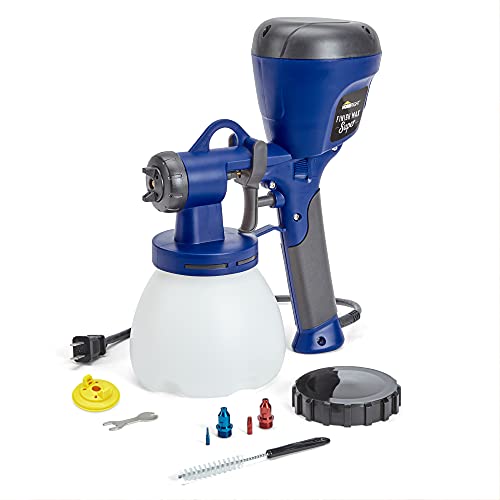
PAINT SPRAYER FOR COUNTLESS DIY PROJECTS: The HomeRight Super Finish Max paint sprayer offers the ultimate DIYing experience. It’s great for applying a great finish on small to large projects like fences, decks, furniture, cabinets, dressers and more.

【4 Nozzles & 3 Spray Patterns】VONFORN 700W paint sprayer includes 4 nozzle sizes (1.0mm, 1.5mm, 2.0mm, 3.0mm) to accommodate various DIY projects on surfaces such as furniture, fences, walls, doors, and garden sets. It supports 3 adjustable spray patterns: horizontal, vertical, and circular, making it suitable for a wide variety of application scenarios
Understanding the Benefits of Turbine Systems

Are you frustrated with uneven spray finishes? If you’ve ever tried spray painting, you know how crucial it is to get that perfect, smooth application. That’s where turbine systems come in handy. They operate efficiently at air pressures below 10 psi, significantly reducing overspray and helping you apply your materials more accurately. This means you’re more likely to achieve that professional look in your projects.
One of the coolest things about turbine systems is their portability. They’re lightweight and easy to transport, which makes them great for on-site work. Just think about how convenient it is to grab your equipment and head out without worrying about heavy gear. Plus, because these systems provide warm air, they help reduce condensation issues that can ruin your paint finish.
Maintenance is a breeze too. You don’t need to spend hours tinkering with the system—just keep the intake filter clean, and you’re good to go. This makes HVLP systems user-friendly; they’re designed to keep you focused more on your work than on upkeep.
Now, if you’re working with water-based finishes, here’s the trick: turbine systems really shine. They significantly lower the risk of imperfections, like that dreaded orange peel texture that can sneak up on you.
Choosing compatible materials like water-based finishes is essential to ensure the best results and adhesion.
So why does this matter? It all comes down to making your spray finishing easier and more enjoyable. When you choose a turbine system, you’re setting yourself up for success.
Recommended Products
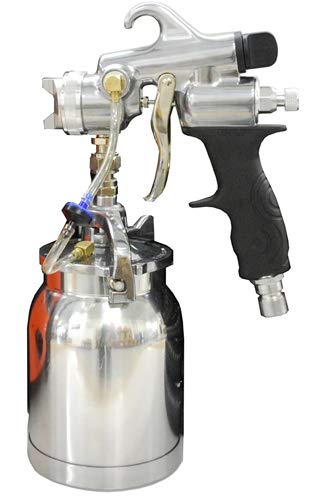

【Multi-Caliber】This automotive spray gun comes equipped with three nozzle sizes (1.3/1.7/2.0mm). The HVLP spray gun is suitable for various water-based and solvent-based coatings, meeting diverse needs such as automotive refinishing, wall painting, roof repair, and industrial spraying.

Professional non-bleed Spray Gun with Adjustable Pattern Fan Control
Key Advantages of Compressor HVLP Systems
Have you ever felt frustrated when trying to cover large areas or achieve a perfect finish with your spray paint? Compressor HVLP systems might just be what you need. Operating between 20-90 psi, these systems are designed for efficiency and can significantly speed up your projects. Plus, you’ll find they’re versatile enough to tackle a variety of tasks beyond just painting.
Here’s the trick: the ability to use smaller compressors means you can still manage big projects without being tied down to bulky equipment. Improved control over fluid pressure not only makes it easier to get that smooth, even finish but can also help you handle complex surfaces. It’s all about achieving better results, right?
Now, let’s talk about moisture management. Proper setups mean you can prevent contamination while keeping your equipment running at peak performance. Unlike turbine sprayers that may overheat, compressor systems can run continuously during those busy times. This brings reliability to your operations, so you can focus on your craft without worrying about equipment failure.
So, why does this matter? Well, if you’re knee-deep in a production run, knowing that your sprayer won’t burn out is a huge relief. The best part is that with some practice, these systems will make your work easier and more enjoyable. In addition, targeting an optimal operation pressure between 2.5 and 3.5 bar ensures superior atomization and finish quality.
Recommended Products
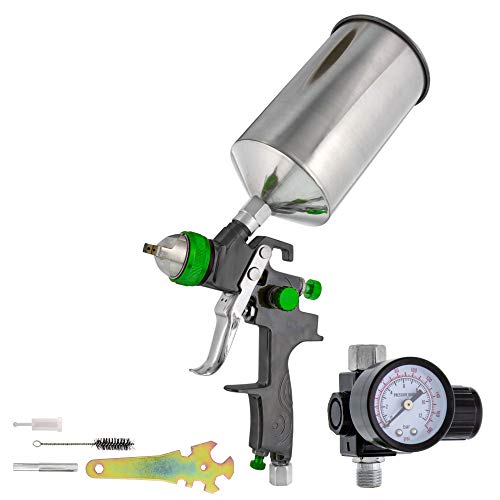
Professional Performance: High-performance car paint spray gun with 2.5mm fluid tip; Perfect for basecoat, clearcoat, primer, and single stage materials; Delivers optimal atomization for automotive paint projects; Ideal for car painting enthusiasts

This spray gun is supplied with a 20 oz. (600 ml) gravity feed cup, with 1.4 1.7 2.0mm real stainless steel nozzle and needle.

This spray gun is supplied with a 20 oz. (600 ml) gravity feed cup, with 1.4 1.7 2.0mm real stainless steel nozzle and needle.
Identifying Common Drawbacks of Turbine HVLP Systems
Ever faced issues while using a turbine HVLP system? Unfortunately, they come with their fair share of challenges. One common problem is motor burnout. If you’re using it for long periods, the motor can overheat, resulting in the hassle of either maintenance or having to replace it altogether.
Then there’s the hose situation. The larger outer diameter can really get in the way. Maneuvering becomes a bit of a workout, and it can hamper your agility while you’re working on the job.
Turbine systems also generate a decent amount of heat. While you might think that’s a good thing, it can actually cause your paint to dry too quickly. What does this mean for you? A less-than-perfect finish and that’s something no one wants after putting in hard work. And, if you’re tackling larger materials, don’t be surprised if you find the fluid pressure lacking. This can lead to uneven application, which is frustrating when you want that flawless look.
Let’s not forget the solvent-based finishes. They often require you to add retarders if you want to avoid issues. This might not seem like a big deal, but it does limit your options. So, why does this matter? The versatility of your projects can really take a hit because of it.
Additionally, the noise generated by turbine HVLP systems can be a concern, especially in residential or enclosed spaces, impacting overall comfort during extended use. This is why models with noise reduction features are becoming increasingly popular.
In short, while turbine HVLP systems have their perks, they come with some shortcomings that can affect your work. What strategies do you have for tackling these issues?
Exploring Limitations of Compressor HVLP Systems
When you’re looking at HVLP systems, it’s easy to miss the downsides of those compressor-based setups. They need hefty air compressors, which can really cramp your style when you’re on a job site and trying to move around. Plus, those compressors spit out moisture while they’re running, so you’ll have to deal with dryers and tanks to keep your paint free of contamination.
Let’s be real: compressors can overheat if you push them too hard over long periods, and that might mess with your application quality and even risk blowing a gasket on your equipment. Sure, they might give you that extra pressure you’re after, but they come with a big baggage of maintenance and setup. You’ve got to think about filtration and moisture control from the get-go.
And here’s something else to chew on: those faster application speeds can actually make it tough to nail the precision you want for delicate tasks. Overspray can lead to wasted materials, which nobody wants. So next time you’re deciding on spray guns and systems for a project, keep these things in your back pocket.
What’s your take on balancing speed and precision? It’s a challenge, but thinking about these factors can help you make the right choice. Also, if you want to enhance your projects, consider using fast-drying spray textures to improve turnaround times and finish quality.
Choosing the Right System for Your Needs
Choosing the right HVLP system can feel like a puzzle sometimes, right? You might be wondering whether to go for a turbine system or a compressor setup. It’s all about matching the system to your project size. Turbine systems really shine for small to medium jobs, while compressors are the way to go when you need to crank out a lot of work.
When it comes to detailed projects, turbine systems are your best friend. They run at lower pressures, so there’s less overspray to deal with. But if you’re in a hurry, compressors can give you that speed thanks to higher pressure settings. Just keep in mind that they tend to be bulkier, which can be a hassle if you’re moving around a lot. Turbine systems are usually more compact and easier to transport, so think about where you’ll be working.
As for finishes, consider this: turbine systems are fantastic for water-based materials and give you that smooth finish. On the other hand, compressors can handle a wider array of materials, but you’ll have to watch for moisture if you go that route. Maintenance is another factor to ponder. Turbine systems are low-maintenance, while compressors need more regular care to keep them running well. Also, selecting equipment with adjustable pressure controls can help customize your finish and improve efficiency.
Recommended Products

【4 Nozzles & 3 Spray Patterns】VONFORN 700W paint sprayer includes 4 nozzle sizes (1.0mm, 1.5mm, 2.0mm, 3.0mm) to accommodate various DIY projects on surfaces such as furniture, fences, walls, doors, and garden sets. It supports 3 adjustable spray patterns: horizontal, vertical, and circular, making it suitable for a wide variety of application scenarios

【Pro Tip for Best Results】 For optimal performance, always thin the paint to a proper viscosity before spraying - use the included viscosity cup for easy measurement. Clean the sprayer within 15 minutes after each use to prevent clogging and extend its service life. If you have any questions or run into any issues, please feel free to contact us, we will respond promptly and ensure a satisfactory solution.

【4 Size Nozzles & 3 Spray Patterns】PULENDY paint sprayer is equipped with 4 size nozzles(1mm, 1.5mm, 2mm, 3.0mm), suitable for most painting projects, such as furniture, fences, walls, doors, garden tables and chairs, etc. Adjustable to 3 different spray patterns, horizontal, vertical and circular, making it suitable for a wide range of application scenarios
Environmental Impact of System Choices
Have you ever thought about how the tools you use can impact the planet? When it comes to painting, the choice between HVLP turbine systems and traditional compressor ones can make a big difference in our waste and sustainability efforts.
Turbine systems run at lower pressures, and guess what? They create at least 30% less overspray than their compressor counterparts. That’s a significant reduction in wasted paint, which means you’re not just saving money, you’re also minimizing your environmental footprint. Plus, these systems tend to be more in line with VOC regulations, using fewer solvent-based materials that can cause air pollution.
Want to take it a step further? Consider going for water-based finishes with your turbine setup. This small change can really cut down on VOC emissions and create a healthier workspace for you and anyone else around. Here’s the trick: by making this switch, you’re not just being eco-friendly; you’re also promoting a safer environment for yourself.
Now, what about compressor systems? They might seem reliable, but they come with their own set of challenges. For one, they often need moisture and oil filtration, which can lead to contamination issues if not managed correctly. So, is the extra effort really worth it?
In short, when you’re deciding on your HVLP system, it’s crucial to think about the broader impact. Choosing the right tools can lead to less waste and a healthier planet. Additionally, selecting coatings that provide long-lasting protection further reduces the frequency of repainting, contributing positively to sustainability efforts. Are you ready to make choices that help protect our environment?
Maintenance and Cleanup Simplified
Got a project coming up where you need to consider how to clean up afterward? Understanding the maintenance and cleanup for HVLP systems can save you in time and stress.
Turbine systems, for instance, are pretty low-maintenance. All you need to do is clean the intake filter to keep everything running smoothly. Plus, cleaning up is a breeze! It’s designed for easy disassembly, which can be a lifesaver after a long day of painting.
Compressor systems, on the other hand, can be a bit of a hassle. You need to keep a close eye on oil contamination and moisture, or you’ll run into trouble. So regularly check your hoses and connections, and make sure everything’s in top shape before you start.
Here’s the trick: if you opt for disposable systems like the 3M PPS with a turbine setup, cleanup becomes way easier. This combo really helps cut down the time you spend maintaining your gear, especially for smaller projects.
Additionally, choosing sprayers with quick blockage clearance systems can significantly reduce downtime during cleanup and maintenance tasks.
Making the Best Choice for Your Project Applications
Choosing the right HVLP system for your project can feel overwhelming. So, how do you know which one will give you the best results? It all starts with the size of your project. If you’re tackling smaller, more portable tasks, a turbine system might be your best buddy. They’re known for their precision and create minimal overspray—super helpful when you want to keep your workspace clean. On the flip side, if you’ve got a big job on your hands, a compressor system can really deliver high output and speed that can’t be beaten.
Next up, consider the materials you’ll be using. Turbine systems shine when you’re working with water-based finishes—just watch the magic happen! On the other hand, if the project calls for thicker, oil-based products, a compressor system is your go-to. It’s important to match your gear with your materials to ensure the best finish possible.
Now let’s talk about ease of use. Turbine systems are generally lightweight and simple to set up, which is perfect for those last-minute weekend projects. But, if you’re after quick coverage on large surfaces, a compressor unit paired with the right spray gun could save you loads of time. Practicality really matters here!
Additionally, selecting sprayers with multiple spray patterns like horizontal, vertical, and circular can greatly enhance your project’s versatility.
Choosing the right HVLP system isn’t just about the tools—it’s about ensuring your project turns out well. So, what will you choose for your next big DIY adventure?
Recommended Products

HIGH EFFICIENCY SPRAY PERFORMANCE: Our spray gun for painting cars uses advanced spray technology to provide consistent, detailed and drip-free coverage. Whether it's large surfaces or intricate details, this paint sprayer for house painting delivers professional results every time.

Spray Like a Pro with Ease: Drizzle D1 LVLP spray paint gun is designed for easy use, with clearly marked scales and labels on the body for quick operation. Our quick start-up guide, instruction manual and videos help you operate like a pro and start quickly.
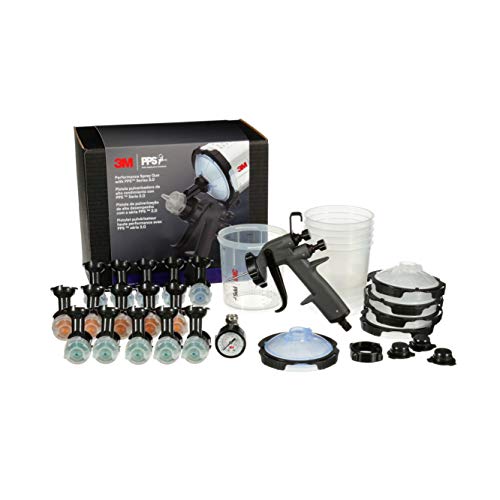
KIT INCLUDES: 1 Spray Gun, 15 Gravity HVLP Atomizing Heads, 3M PPS Series 2.0 Spray Cup with 5 lids and liners
Frequently Asked Questions
What Is the Difference Between Compressor HVLP and Turbine HVLP?
The difference between compressor and turbine HVLP lies in pressure and application. Compressors offer versatility and speed, while turbines provide precision with less overspray. We appreciate the varying HVLP advantages and maintenance needs for different applications.
Can I Paint a Car With an HVLP Turbine?
Yes, we can paint a car using an HVLP turbine. Think of it like a gentle rain nourishing plants; its HVLP advantages reduce overspray, but we should be mindful of turbine performance with thicker paints for a smooth finish.
What Is the Difference Between a Compressor and a Turbine?
The difference between a compressor and a turbine lies in air pressure and paint application. Compressors use higher pressure for faster spray gun output, while turbines provide lower, more controlled airflow for precision applications.
What Kind of Air Compressor Do I Need for an HVLP Spray Gun?
For our HVLP spray guns, we need a robust compressor: one that sizes right, offers stable air pressure between 20-30 psi, and accommodates paint viscosity. Think of it as the lifeblood fueling our creative endeavors.


