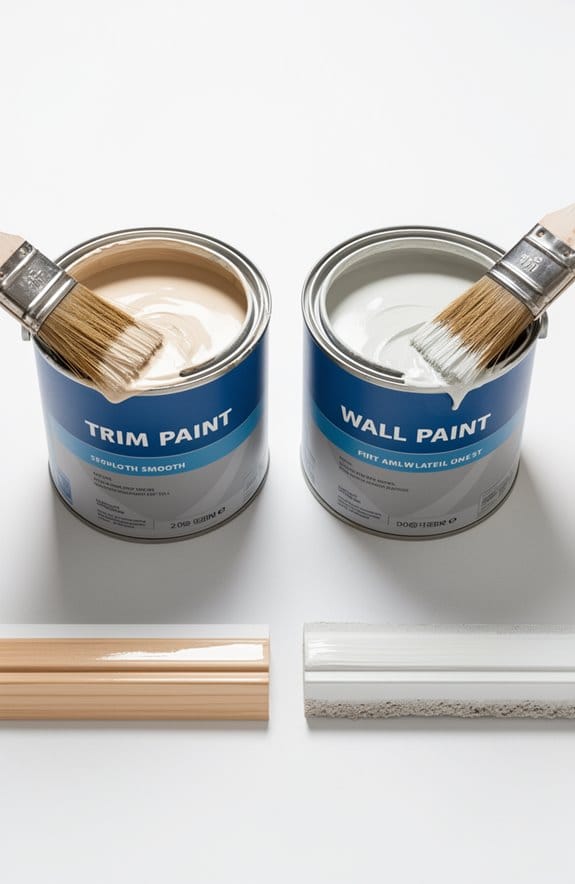
As an Amazon Associate, we earn from qualifying purchases. Some links on this site are affiliate links at no extra cost to you. Our recommendations are based on thorough research and editorial judgment.


Paint Dry Time vs Cure Time: What It Means for Recoats and Durability

Have you ever painted a room and rushed to apply that second coat only to find it didn’t stick well? Understanding the difference between paint dry time and cure time could save you from a whole lot of frustration.
You may be interested


Dry time is pretty straightforward; it’s how long the paint takes to feel dry to the touch, typically lasting anywhere from 30 minutes to 8 hours depending on factors like the type of paint and the weather.
Cure time, on the other hand, is a whole different story. For latex paints, it can take anywhere from 21 to 30 days to fully cure. So, how does this affect your project?
If you’re using latex paint, waiting around 2 to 4 hours between coats is generally a safe bet. For oil-based paints, that’s increased to 6 to 8 hours. Skipping these recommended wait times can lead to issues such as peeling and bubbling, and honestly, that’s not what you want after putting all that effort in.
Here’s the trick: knowing when to recoat not only helps with durability but also ensures a solid bond between layers. Factors like humidity and temperature can influence both dry and cure times, so be sure to check the paint can for specifics tailored to your product.
Truth is, taking the time to understand these differences can make a huge difference in the outcome of your painting project.
So, the next time you’re ready to roll on that next coat, remember: patience really pays off. What’s your next painting project, and how do you plan to tackle the timing?
Key Takeaways
- Paint dry time refers to when the surface feels dry, while cure time is when the paint fully hardens, affecting durability.
- Latex paints can dry in about 2 hours but take 21-30 days to cure, impacting recoating timing.
- Oil-based paints dry in 6-8 hours but require 3-7 days to cure, necessitating patience between coats.
- Rushing recoats before the previous layer has cured can result in peeling and uneven finishes, compromising durability.
- Following specific recoating time recommendations enhances adhesion and prolongs the life of the paint finish.
Why Understanding Paint Drying vs. Curing Matters for Your Project

When it comes to painting projects, many people overlook a critical detail: the difference between paint drying and curing. It can be easy to think the job is nearly done when latex paint feels dry to the touch in just a couple hours, but here’s the catch—it can take up to 21-30 days for it to fully cure. Why is this important? Rushing to apply more coats or use the painted surfaces too soon can lead to problems like bubbling or peeling. That’s the last thing you want after putting in all that effort.
So, here’s the trick: always check the curing times for the paint you’re using. If you jump the gun, you risk ruining all your hard work. Each layer of paint needs to adhere properly for a finish that lasts. Patience really is a virtue when it comes to painting. Allow the paint to cure completely before you move on to the next step or start using the painted area.
Frankly, taking the time to understand these timelines can save you a lot of headaches. If it says it needs three weeks to cure, mark your calendar and stick to that timeline. You’ll end up with a paint job that not only looks good but also stands the test of time.
Additionally, selecting the right paint sprayer pressure can influence the smoothness and longevity of the paint application.
In short, don’t let the swift drying time mislead you; always prioritize curing. Next time you pick up that paintbrush, remember to plan for the long haul. How much time will you allow for your paint to cure before moving on?
What Is the Difference Between Paint Dry Time and Cure Time?

Have you ever rushed a painting project only to discover that “dry time” and “cure time” are two very different beasts? It’s a classic rookie mistake, but understanding the difference can save you a lot of headaches.
Let’s break it down. Dry time is all about that initial touch. It’s when the paint feels dry to your fingertips, which can take anywhere from 30 minutes to 8 hours, depending on what type of paint you’re using. But here’s the kicker: just because it feels dry doesn’t mean you should start your next coat or put anything back in the painted space.
Cure time, on the other hand, is the real deal. It’s how long it takes for the paint to fully harden and become as durable as it gets. For water-based paints, be prepared for this to take anywhere from 21 to 30 days, while oil-based paints usually require 3 to 7 days. So, why does this matter? If you jump the gun and don’t wait for the cure time, you could end up with scratches or smudges on your beautiful new paint job.
Keep in mind that several factors can play a role in drying and curing times:
- Temperature: Warm air can speed things up.
- Humidity: Too much moisture can slow drying.
- Number of coats: More layers mean longer wait times.
Here’s the trick: patience pays off! Wait for the full cure time before applying a clear coat or putting anything heavy on the surface.
Additionally, using fast-drying oil-based primers can help reduce waiting times during your painting process without sacrificing adhesion.
In short, knowing the difference between dry time and cure time can make or break your project. Are you ready to take your painting game to the next level?
Recommended Products

Premium Epoxy: Our wood repair kit is a smooth, creamy 2-part epoxy finishing paste compound that's compatible with most water/solvent-based primers and paints
Ultimate Concrete Protection: Industrial-strength coating resists wear, chemicals, and moisture, ensuring long-lasting durability for concrete surfaces

Do not apply clear topcoats over bright white paint, as yellowing may occur due to a reaction to the substrate. Light color paints may also experience yellowing due to topcoat application, but it will less noticeable
How Long to Wait for Optimal Paint Drying and Curing Between Coats?

How long should we wait for ideal paint drying and curing between coats? If you’re working with latex paints, aim for a wait time of about 2-4 hours before tackling that second coat. This timeframe is when the paint feels dry to the touch, but it hasn’t fully cured yet. For oil-based paints, though, you’ll need to be a bit more patient—waiting 6-8 hours is best.
So, why does this matter? Rushing through this stage can trap moisture underneath, which can ultimately lead to peeling or an uneven finish—not exactly what you want after putting in all that effort! Even if the paint seems dry quickly, keep in mind that it can take weeks to fully cure.
If you’re ready for that final coat, it’s wise to avoid jumping right back into heavy use afterward. Depending on the type of paint you used, full curing can take anywhere from a week to a month. It’s worth taking those extra days to ensure everything sets properly.
In short, take your time. Waiting after each coat pays off in the long run! Have you ever rushed a project and regretted it later?
Also, selecting the proper primer based on surface compatibility can improve drying time and durability for your paint project.
Recommended Products

LATEX & POWDER FREE MECHANIC GLOVES: Green nitrile gloves, 8 mil and designed for a natural rubber–like fit; 3x more puncture resistant than green latex gloves and safe for those with latex allergies.

ALWAYS TEST BEFORE USE: Removes acrylic, latex, oil, and water-based paints, varnishes, stains, urethanes, epoxies, and elastomeric coatings. TEST for compatibility with your coatings before removal!

ALWAYS TEST BEFORE FULL USE: Every coating is different. Apply a test patch of Smart Strip Advance to ensure compatibility with any coatings present. This will also determine the required dwell time.
What Influences Paint Drying and Curing?
Have you ever painted a room only to be frustrated by how long the paint seems to take to dry? It’s a common dilemma many of us face. The truth is, several factors play a role in how quickly your paint dries and cures, and understanding these can save you both time and headaches.
First off, the thickness of your paint layers is crucial. If you’re slapping on thick coats, expect them to take longer to dry. Thin layers? They dry much quicker. Just a little tip: aim for thin, even coats for the best results. Also, keep in mind that different paints behave differently. Oil-based paints might feel dry in 6-8 hours, but they can take 3-7 days to fully cure. On the other hand, latex paints can dry in just 1-2 hours, though they take a bit longer, around 21-30 days, to achieve full hardness.
So, why does this matter? Well, environmental conditions play a big part, too. If you’re painting in a high-humidity room, expect the drying process to take a hit. No one wants to wait longer than necessary, right? The good news is that you can do something about your workspace. Good ventilation and moderate temperatures can speed things along.
Lastly, think about the surface you’re painting. Porous surfaces absorb paint, which might help it dry faster, while slick ones can cause longer wait times. Understanding how these factors work together can make a world of difference when planning your painting projects. Additionally, selecting primers with fast-drying properties can significantly reduce wait times between coats and improve overall project efficiency.
Recommended Products

SUPERIOR FLEXIBLE SEALANT: Liquid Rubber's foundation sealer creates a permanent waterproof membrane for basement waterproofing, foundation leak repair, shower liners, and planter boxes. This professional-grade sealer delivers unmatched protection with 900% elongation, preventing leaks and water damage more effectively than traditional sealants

Premium Epoxy: QuikFair is a lightweight, microballoon-filled, fast-curing 2-part epoxy fairing putty engineered to provide excellent moisture resistance
Create Stunning Floors: Transform your garage or basement with a high-gloss, customizable metallic epoxy finish that offers endless design possibilities with pre-measured shimmer pigments, perfect for modern homes, commercial space or creative DIYers
What Are the Best Tips for Managing Drying and Curing Times?
When it comes to painting a room, managing drying and curing times can feel like a bit of a hassle, right? It’s essential if you want that perfect finish. One of the main tips is to always apply thin coats of paint. Thick layers can take ages to dry and might mess up your whole project.
After you paint, give latex paint around 1-2 hours to dry before recoating—it’s about 6-8 hours for oil-based paint. You don’t want to rush it, but you also don’t want to wait forever.
So, let’s talk about temperature and air flow. Aim to keep the room between 60-85°F, and make sure it’s well-ventilated. If you can, use a fan or a dehumidifier. It really helps with drying times.
Freshly painted surfaces should also stay clear of any disturbance until they cure completely. This process takes between 7 and 30 days, depending on the type of paint you used.
Check your paint’s specific guidelines for exact cure times. Truth is, this little bit of patience really pays off in the long run—you want your paint job looking its absolute best!
Have you ever wondered why curing times are so important? They help the paint bond properly and ensure a lasting finish. So, next time you dive into a painting project, keep these tips in mind, and you’ll be all set!
Using the right paint brush bristle material can also enhance the smoothness and durability of your finish.
Recommended Products

Designed for large jobs with 10" tall fan spread for professional spray equipment results and 4X faster project completion

BRUSH ON PAINT – Krylon COLORmaxx Acrylic Latex Brush On Paint delivers premium coverage and superior color with adhesion and durability. This acrylic latex paint can be used on wood, metal, wicker, plastic/ceramic, wrought iron, drywall and masonry.

Use for a variety of indoor and outdoor project surfaces including wood, metal, plaster, masonry or unglazed ceramic
Frequently Asked Questions
What Is the Difference Between Dry Time and Recoat Time?
The difference between dry time and recoat time involves how quickly paint feels dry versus when we can safely apply another layer, influenced by paint types, environmental factors, and proper surface preparation for best results.
What Is the Difference Between Dry Time and Cure Time?
Dry time gets our paint touch-dry, while cure time achieves full durability. Temperature influence, humidity effects, and drying conditions impact both. Good ventilation and proper surface preparation are essential for perfect paint application and layers.
What Is the Difference Between Dry and Cure Paint?
The difference between dry and cure paint lies in the drying process and moisture content. Environmental factors like temperature impact painting techniques, making proper surface preparation and application methods essential for achieving ideal paint finishes with desired durability.
How Do You Know if Paint Is Dry Enough to Recoat?
To verify the paint’s ready for recoat, we’ll seek surface touchability, checking for visual cues and using test methods like the fingernail test. Let’s remember environmental factors like temperature and humidity levels, too!