As an Amazon Associate, we earn from qualifying purchases. Some links on this site are affiliate links at no extra cost to you. Our recommendations are based on thorough research and editorial judgment.

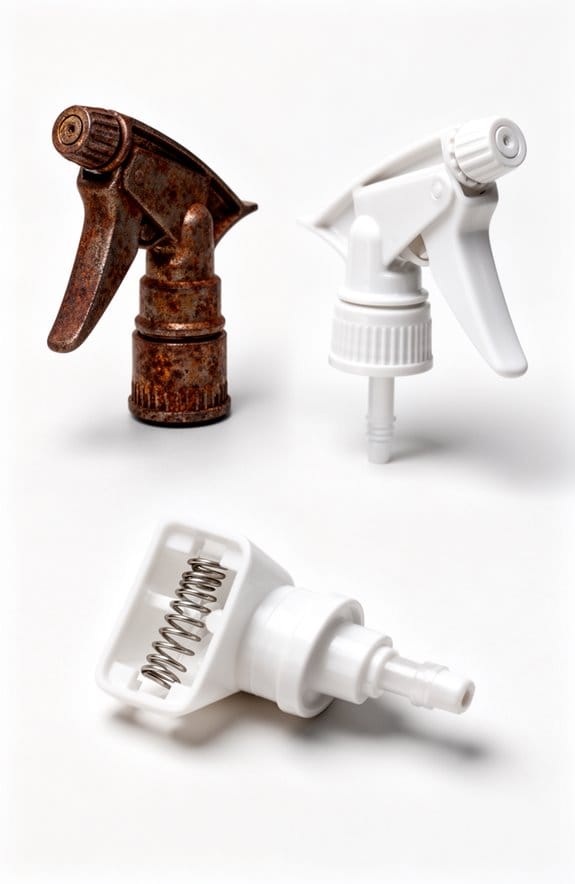
Preventing Rust and Sticking Parts on Sprayers and Hand Tools

Ever wondered why your sprayers and hand tools always seem to rust or stick? It’s frustrating, isn’t it? The good news is that with a little effort, you can keep them in great shape and working smoothly for much longer.
You may be interested


First things first, always clean your tools after every use. Give them a good wipe down with cleaning oils like WD-40 to get rid of any moisture. Trust me, this simple step makes a world of difference. It’s not just about keeping them clean; it helps prevent that annoying rust from forming.
When it comes to storage, think airtight. Storing your tools in airtight containers is key. And don’t forget to toss in some desiccants, like silica gel packets. They do a terrific job of soaking up extra humidity that could potentially lead to rust or other issues.
Another great tip? Apply protective coatings, such as rust inhibitors. They serve as a shield against moisture and corrosion. Regularly inspect your tools for any signs of rust; catching it early can save you time and hassle later on.
So, why does this matter? Maintaining your equipment isn’t just about keeping things shiny; it’s about ensuring you can rely on them when you need them most.
In short, keep your sprayers and hand tools clean, store them properly, and check for rust regularly. It really does pay off. Got any tips of your own? I’d love to hear what works for you!
Key Takeaways
- Wipe sprayers and tools with cleaning oil like WD-40 after use to eliminate moisture and prevent rust formation.
- Store tools in airtight containers with desiccants to absorb excess moisture and reduce humidity exposure.
- Regularly apply protective coatings, such as rust inhibitors or lubricants, to block moisture and prolong tool life.
- Keep tools clean and dry before using protective sprays or coatings to ensure effective moisture barriers.
- Inspect tools frequently for corrosion and maintain a routine cleaning schedule to prevent sticking parts and enhance performance.
How to Prevent Rust on Tools: Essential Strategies

Have you ever pulled out your favorite tools only to find they’ve developed a layer of rust? It’s a frustrating problem, but there are some easy ways to keep that from happening. Let’s dive into a few real-life strategies to prevent rust so your tools stay in great condition.
First off, consider wiping down your tools with some cleaning oil, like WD-40 or mineral oil, after each use. This little habit can work wonders. It not only clears away any moisture but also puts up a defense against rust. Plus, it’s an easy step to fit into your routine.
Another tip is to apply a corrosion inhibitor, like anti-corrosion sprays or waxes, before you store your tools away for the long haul. These products create a protective barrier that will keep moisture at bay. It’s a quick way to give your tools that extra layer of protection.
Now, here’s the trick: use silica gel packets or other moisture-absorbing desiccants in your storage area. They can really help control humidity levels, which is crucial if you want to keep rust from forming. And if you can, store your tools in airtight toolboxes or cabinets in a climate-controlled environment. Lower humidity means less risk of rust.
Don’t forget about regular checks, either. Conducting routine inspections for signs of rust will ensure you can address any issues quickly. After all, it’s much easier to deal with a small area of corrosion than to try and fix a fully rusted tool later on.
For added protection when cleaning tools, using fast-drying paint thinners can help remove residues that might otherwise promote rust formation.
The Importance of Proper Storage for Sprayers and Hand Tools

Have you ever pulled out your sprayer or hand tools only to find they’ve developed rust? It’s frustrating and can definitely put a wrench in your plans. The truth is, how you store your tools can really make a big difference in their lifespan and performance.
When it comes to storage, think about creating a climate-controlled space for your tools. This helps reduce their exposure to humidity and temperature swings, which can speed up rust development. Try this: keep your metal tools in airtight toolboxes or cabinets. This simple step can help keep moisture at bay. You’ll also want to store your tools off the floor—shelves are a great solution. This keeps them from direct contact with damp surfaces that might lead to corrosion.
Ever heard of desiccants? These little packets, like silica gel, are fantastic at soaking up excess moisture in your tool storage. Incorporating these can help ensure a dry environment for your equipment. Regularly organizing and inspecting your tools is also key. Not only does it save time when you’re looking for something, but it also lets you spot any signs of rust early on.
Frankly, keeping a close eye on your tools can mean the difference between a few simple fixes and a complete overhaul. So, why does this matter? Well, timely maintenance can save you from more costly repairs down the line, prolonging the life of your favorite gear.
In addition, applying a light coating of oil can prevent metal-to-metal corrosion during storage. In the end, taking a little time to properly store your sprayers and hand tools can really pay off. What storage methods have you found helpful for keeping your tools in top shape?
What Cleaning Techniques Help Prevent Rust?

Ever notice how quickly tools can rust if they’re not taken care of? Keeping your sprayers and hand tools clean is just as crucial as storing them properly. A simple step you can take is to wipe down each tool with cleaning oils like ATF or WD-40 right after you’re done using them. This quick action helps remove any moisture that could lead to rust.
Don’t forget to dry your tools thoroughly before putting them away, especially if they’ve been out in the rain or in a humid environment. It only takes a minute, but this habit can save you a lot of headache later. While maintaining your gear, consider using rust-removing agents that have bonding ingredients; these can enhance moisture resistance. After cleaning, apply protective coatings like rust inhibitors to create a shield against future rust buildup.
So, why does this matter? Regular inspections are key to catching early signs of corrosion before they become bigger issues. Pay attention to your tools and keep them in top-notch condition; it really pays off in the long run. Additionally, choosing eco-friendly formulations when cleaning and maintaining tools can reduce chemical exposure and environmental impact.
How Protective Coatings Shield Tools From Rust
Ever noticed how some of your tools seem to rust overnight? It’s a frustrating problem, especially if you’re relying on them for projects. Thankfully, protective coatings can help you tackle this issue head-on.
These coatings act as a shield against rust by blocking out moisture and oxygen. You have plenty of options to choose from. Try using rust-resistant sprays or greases to give your tools a solid layer of protection. If you live in a humid area, consider going for anti-corrosion products like T9 Boeshield. These can really make a difference.
So, what’s the catch? You need to keep that moisture barrier intact over time. That means reapplying your coatings periodically. Before you jump into applying anything, though, make sure your tools are clean and completely dry. This helps ensure that the coating sticks properly and does its job right.
When it comes to extra protection, ceramic and silicone-based sprays are worth considering. They not only help against rust but also increase your tools’ resistance to wear and tear. Frankly, investing a little time and effort in these preventive measures can enhance both the longevity and performance of your tools.
Additionally, selecting tools made from durable materials can further reduce the risk of corrosion and improve overall tool lifespan.
In short, keeping your tools rust-free is totally doable. What steps will you take today to protect the tools you rely on?
Using Desiccants to Prevent Rust
Moisture can really do a number on sprayers and hand tools, and it’s often sneaky—creating rust before you even know it’s there. By using desiccants, like those handy silica gel packets, you can battle that moisture in your storage spaces. Just toss a few of those packets into your toolboxes or cabinets to create a drier environment, and watch how it helps keep rust at bay.
Want to boost protection? You might want to try adding moisture-absorbing powders or tablets along with the desiccants. It’s a simple step that can make a difference. It’s also important to regularly replace or regenerate those desiccants; otherwise, they won’t do their job as well.
If you’ve got a larger workspace, consider a dehumidifier. It’ll lower humidity levels significantly, which means less rust forming on your tools. So, why does this matter? Keeping your gear in top condition not only makes your tasks easier but also extends the life of your tools.
Pair all these strategies together, and you’ll really be on your way to protecting your tools from rust. Remember: a little effort goes a long way. What have you tried to keep your tools rust-free?
Additionally, choosing products with strong adhesion properties can help ensure protective coatings on your tools remain intact, resisting moisture and rust over time.
How to Inspect Your Tools for Longevity
Have you ever pulled out a tool that looked great at first glance, only to find it’s not working as well as it should? Protecting our tools from rust is important, but don’t forget to give them a good inspection. Regular checks are key to ensuring they not only last but also perform at their best.
Start by checking for any signs of corrosion, especially on cutting edges and joints. If you catch it early, you can prevent it from spreading. You might be surprised at how quickly rust can develop if the right conditions are present. Also, make sure to verify that all moving parts like hinges and pivots are clean and lubricated. Nothing’s more frustrating than a tool that’s gummed up and not functioning smoothly.
When it comes to storage, be mindful of where you keep your tools. Is there moisture in the area? If you notice some dampness, consider using desiccants to help absorb that moisture. It’s a small adjustment that can make a big difference over time. And don’t forget about the protective coatings. Keep an eye out for any wear or damage, as a compromised surface can expose the metal to rust.
Honestly, a little routine maintenance goes a long way. By incorporating these simple practices, you’re not just protecting your tools, but also ensuring they work efficiently. Plus, you might save yourself some money in the long run.
Have you checked your tools lately? Regular inspections could be the difference between a trusty tool and a rusty one in your shed. For optimal protection, applying an oil-based primer designed for rust protection can help shield metal parts from moisture and corrosion.
What Are the Best Products for Rust Prevention?
Have you ever been frustrated watching your tools rust away? If you want to protect them from the elements, here are some solid options that really do the trick.
Start out with WD-40 Multi-Use Product. This stuff does wonders as it not only lubricates but also fights off moisture, making it great for bare metal tools. If you’ve got cast iron tools, you might want to check out T9 Boeshield. It’s well-regarded for protecting against rust, though you’ll need to reapply it every month to keep up its magic.
For those of you storing tools indoors, WD-40 Specialist Corrosion Inhibitor is worth considering. It claims to provide rust protection for up to two years, which means less worry for you. Speaking of industrial uses, Corrosion X is a top pick for many, giving fantastic corrosion resistance in harsher conditions.
And here’s a neat trick: layering anti-corrosion sprays with Renaissance Wax can boost your defense against rust. Just remember to apply multiple thin coats for the best results, especially if you’re working with stainless steel or other metals.
To ensure long-lasting tool maintenance, it’s also good practice to use mineral spirits for cleaning and degreasing tools before applying rust prevention products.
Common Mistakes in Tool Maintenance to Avoid
If you’ve ever pulled out a tool only to find it rusty or damaged, you know the frustration that comes with it. Taking care of your tools isn’t just about making them last; it’s about ensuring they’re ready for you when you need them. Here are some straightforward tips to keep your tools in tip-top shape.
Start by giving your tools a good clean after each use. It only takes a few minutes, and trust me, it’s worth it. Tools that are left dirty often harbor moisture and grime, which can lead to rust. So, wipe them down and make sure they’re dry before storing.
Next up, think about where you keep your tools. If you’re putting them in damp spaces, that’s a recipe for trouble. Try to store them in well-sealed containers or dry areas. This simple change can dramatically cut down on corrosion.
Moreover, consider using protective coatings or lubricants. This is especially important if you live in a humid area. A little bit of oil can go a long way in protecting against the elements.
Now, what happens when you notice rust creeping in? Don’t ignore it. Address any signs of rust right away. The sooner you act, the less likely you’ll have to deal with serious corrosion that could compromise the safety and functionality of your tools.
Finally, take the time to regularly inspect your tools. Look for any signs of wear or rust. This step could save you from accidents and expensive replacements down the line.
To wrap it up, keeping your tools in good shape isn’t hard—it’s all about being proactive. Using a rust inhibiting primer can also offer an extra layer of protection against corrosion. How are you going to step up your tool maintenance game this week?
Enhancing Lubrication Practices to Minimize Sticking Parts
Have you ever noticed how sticking tools can ruin your day? It’s one of those sneaky frustrations that can lead to rust and a whole lot of hassle. Keeping your tools running smoothly is totally doable when you focus on lubrication.
Using quality lubricants is key. Think of options like WD-40 or T9 Boeshield. They’re not just a splurge; they’re essential for creating that thin protective layer on any tool that sees friction. After you’re done using your tools, take a moment to wipe them down with a clean cloth. That way, you’re ensuring you’ve removed any rust and that moisture is out of the picture.
Here’s a quick tip: if you work in damp environments, consider tossing in some desiccants like silica gel packets. It’s a simple way to cut down on moisture and boost the effectiveness of your lubrication. And if you want to take it up a notch, using a thicker coat of ceramic lubricant can provide extra protection from corrosion.
You might be wondering why this all matters. Regular maintenance not only prevents pesky sticking but can also extend the life of your beloved tools. Just imagine how frustrating it would be to replace them all the time!
In short, embracing good lubrication habits can really save you some headaches. Have you set up a routine for maintaining your tools? Think about how you could start today! Remember that safety features in heaters and tools often rely on proper maintenance to function correctly.
Frequently Asked Questions
What Can I Spray on Tools to Keep Them From Rusting?
We can use silicone-free sprays, like Glidecote, for effective rust treatments and long-term storage solutions. Regular tool maintenance tips, including the best preservation sprays, will help us keep our tools rust-free and ready for use.
What Is the Sprayable Rust Preventative?
Have you ever wondered how to shield our tools from rust? Sprayable rust preventatives, utilizing corrosion resistant coatings and effective spray application techniques, offer long term protection against harsh environmental factors, ensuring our equipment stays rust proof.
Will WD-40 Keep Metal From Rusting?
Yes, WD-40’s uses include rust resistance and metal preservation. Its lubricant effectiveness helps maintain tools. We recommend regular maintenance and reapplication to maximize its protective benefits, ensuring your metal surfaces remain rust-free and functional.
What Is the Best Spray Lubricant to Prevent Rust?
Did you know nearly 70% of metal corrosion can be prevented? For rust prevention, we recommend comparing WD-40 and T9 Boeshield. Use silicone-based lubricants for easy application, ensuring ideal protection and reducing friction effectively.


