As an Amazon Associate, we earn from qualifying purchases. Some links on this site are affiliate links at no extra cost to you. Our recommendations are based on thorough research and editorial judgment.


Roller Frame, Cage, and Extension Pole Setup for Comfort and Control

Looking to make your painting projects smoother and less of a hassle? If you’ve ever struggled with getting even coverage or felt sore after a long day of painting, here’s some advice that can really help.
You may be interested


Using a roller frame, cage, and extension pole setup can make a world of difference. Start with a lightweight aluminum frame that feels comfortable in your hand. An ergonomic grip is essential—trust me, you want to minimize fatigue!
You’ll also want an extension pole that has a universal 5/16 threaded end. This feature makes it easy to reach those high ceilings without breaking a sweat.
Now, when it comes to the roller cage, go for a five-wire option. This setup can help with achieving even coverage—who doesn’t want a flawless finish? Don’t forget to pick a roller cover that’s compatible with your paint type so you get the best results possible.
Here’s the trick: taking care of your equipment is just as important. Clean everything after use and keep an eye out for any wear and tear. This simple routine can extend the life of your gear, allowing you to tackle project after project with confidence.
Honestly, with the right setup, painting can go from a chore to a breeze. So, what’s stopping you from giving your walls a fresh look? It’s all about combining the right tools and techniques!
Key Takeaways
- Use lightweight aluminum frames and extension poles to minimize fatigue during overhead tasks and maintain better posture while painting.
- Choose ergonomic grip handles to reduce hand and wrist fatigue, enhancing overall comfort during painting sessions.
- Select roller cages with a five-wire design for smooth, even paint application and quick-release mechanisms for easy cover changes.
- Ensure extension poles utilize a universal 5/16 threaded end for compatibility and adjustable lengths for comfortable reach without straining.
- Regularly maintain equipment by rinsing roller frames, checking for wear, and storing them properly to ensure durability and consistent performance.
Why Use a Roller Frame, Cage, and Extension Pole Setup?

When you start on a painting project, you’re probably thinking about the hassle of reaching those high walls and ceilings. That’s where a roller frame, cage, and extension pole setup really shines. It makes a big difference in how quickly and effectively you can get the job done.
The sturdy five-wire cage combined with a good-quality paint roller frame gives you that smooth, even coverage we all strive for—just like the pros do. You can easily attach it to any standard extension pole thanks to the universal 5/16 threaded end. This means no more struggling to reach those tricky spots.
Changing roller covers doesn’t have to be a pain either. With the quick-release springs, you can swap them out in no time, which is a lifesaver during long painting sessions. Plus, the lightweight aluminum construction strikes a nice balance between durability and being easy to handle.
Additionally, an ergonomic handle grip improves comfort and reduces hand fatigue during extended use.
So, why should you care about this setup? It keeps you comfortable and focused while you paint, allowing you to really get into the groove. After all, painting should be enjoyable, not a chore.
When it comes down to it, having the right tools makes all the difference. Are you ready to make your next painting project a breeze?
Benefits of Ergonomic Design for Painters

Ever found yourself in the middle of a painting project, only to feel that familiar strain in your hands or back? It’s frustrating, right? Ergonomics can play a crucial role in making your painting experience not just bearable, but genuinely enjoyable.
Try this: when you’re shopping for tools, look for roller frames that come with ergonomic grip handles. These soft grips aren’t just about comfort; they actually absorb some of the pressure, helping to reduce hand and wrist fatigue, especially during those long painting sessions. It’s amazing how a well-designed handle can improve your control and overall experience.
Also, consider the weight of the tools you choose. Lightweight frames can really save your back and help keep your posture in check, which lowers the risk of repetitive strain injuries. That’s something you’ll thank yourself for later! And if you hate dealing with the hassle of changing roller covers, look for quick-release mechanisms. They make switching out covers a breeze and are compatible with standard sizes, saving you time on the job.
So, why does this matter? Prioritizing balance and stability in your painting tools has a huge impact on how you feel both during and after a project. It can reduce fatigue and improve your control, meaning you’re not only painting better but also feeling better.
For even better comfort, consider using adjustable stands that provide a customizable height range to suit your posture and reduce strain during longer tasks such as painting with an extension pole, which can enhance overall ergonomics and comfort.
Honestly, investing in ergonomic designs might just make painting one of your new favorite activities instead of a chore. After all, who doesn’t want to paint without the aches? What simple changes could you make to your toolkit today to start enjoying the process more?
How to Choose the Best Roller Frame for Painting Projects
Ever found yourself struggling to get that perfect paint finish? Picking the right roller frame can make all the difference. It’s like choosing the right pair of shoes for a long walk—comfort matters.
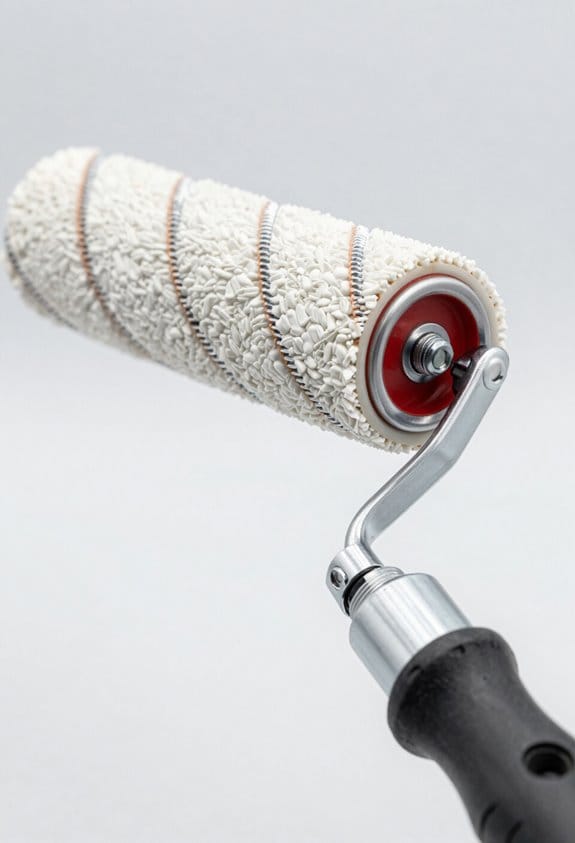
When it comes to roller frames, think about materials first. Durable aluminum is a solid choice because it’s lightweight but still tough. You’ll appreciate this grip when you’re working on those long painting sessions. Also, size compatibility is key. Look for frames with a universal 5/16 threaded end. This way, you can easily attach standard extension poles, which is super helpful if you’re tackling tall ceilings or walls.
Smooth operation is another thing to consider. A roller frame with internal bearings makes everything glide along easily, and let’s be honest, you want to make your painting process as smooth as possible. Plus, frames that have secure, spring-loaded cages allow for quick roller cover changes, which is a real time-saver. So, why does this matter? Well, having a reliable frame can help you avoid those annoying moments when you’re halfway through a project and have to stop to fiddle with your tools.
Don’t forget about ergonomic features, either. A frame with a comfy grip can seriously reduce hand and wrist fatigue. Honestly, you don’t want to be sore after painting just because of your tools.
Additionally, using accessories compatible with your roller frame can enhance application and cleanup ease, making your painting process more efficient and enjoyable.
In the end, choosing the right roller frame isn’t just about the tool itself; it’s about the experience it gives you while painting. A well-made frame helps achieve an even finish and keeps you efficient, so you can enjoy your time creating.
Using a Roller Cage for Even Coverage
When it comes to painting, one of the biggest challenges is achieving that perfect, even coverage. You know those annoying streaks that just seem to pop up? That’s where a quality roller cage comes into play. Choosing one that focuses on consistency and efficiency is key.
Look for roller frames made from durable aluminum. Brands like Wooster have frames that are lightweight yet really tough, making them a smart choice. A five-wire cage design can be a big help too; it promotes smooth application, which means fewer streaks on your walls. Switching out roller covers is super easy with a quick-release spring mechanism, so there’s no need to wrestle with it and risk slippage.
Another thing to keep in mind is paint compatibility. It’s important to ensure your roller cover works well with the type of paint you’re using. And don’t underestimate the power of an ergonomic grip! You really want that comfort during long painting sessions. It minimizes hand fatigue and helps you maintain control for even strokes. Using tools designed to reduce effort and improve precision is essential for professional results, much like how automotive masking tapes are engineered for clean lines and smooth finishes.
How to Pick the Right Extension Pole for Your Needs
When you find yourself staring up at those high ceilings or trying to reach the tops of your walls, having the right extension pole can really save you a lot of frustration. You want to start by choosing a pole with a universal 5/16 threaded end. This little feature ensures that it’ll fit perfectly with your roller frames, making your painting process smoother.
Next up, think about the length of the pole. They come in all sorts of sizes. Grab one that can comfortably reach your ceilings without you having to stretch too much or put yourself at risk for muscle strain. And don’t forget about weight – a lightweight aluminum pole is your best bet. It’ll help you keep fatigue at bay while still providing the strength you need for the job.
So, what about the locking mechanism? Here’s the trick: look for adjustable locking mechanisms that offer stability and prevent slipping while you’re painting. You don’t want to be up on a ladder, brush in hand, and suddenly feel your pole give way. That’s just asking for a mishap!
Lastly, make sure the pole’s weight feels manageable in your hands. This balance is key for you to paint efficiently without wearing yourself out. Nobody wants to deal with sore hands or stiff wrists after a long painting session.
Additionally, choosing a pole with a lightweight design ensures easy handling during prolonged use, reducing fatigue and improving maneuverability.
Compatible Roller Covers for Optimal Performance
Have you ever stood in the paint aisle, wondering which roller cover to choose? It can feel overwhelming, especially with the variety out there. Understanding the differences between roller covers can really make your painting job smoother and more efficient.
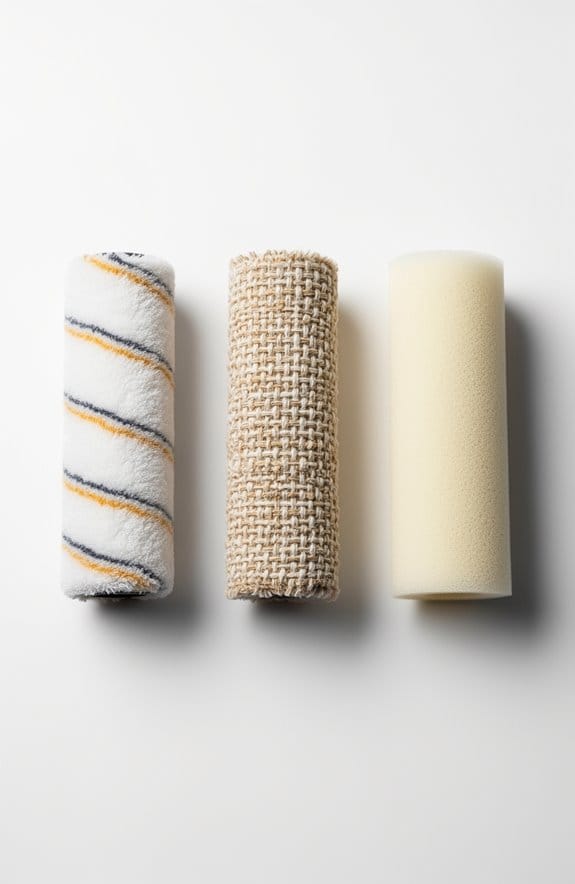
When you’re picking a roller cover, think about the type. You’ve got options like foam, woven, and shed-resistant. Each type has its strengths, depending on what you need to tackle. For example, foam covers are great for smooth finishes, while woven ones are better for textured surfaces. Knowing what each one brings to the table can really help you choose wisely.
Another thing to consider is the size of the roller cover. They come in a range from 4 to 18 inches, so you’ll need to pick a size based on the area you’re painting. A good fit means less work and better coverage—definitely something you want in your corner.
Now, let’s talk materials. Polyester covers are your go-to for achieving smooth finishes on flat walls, while microfiber covers really shine on rough textures. Honestly, using the right material can make a huge difference in your final look. So, why does this matter? Because the right roller cover not only saves you time but also ensures that you get professional-looking results, whether you’re repainting a single room or tackling that big house project.
Choosing the correct nap length is critical because it affects paint retention and the ease of application, adapting your tools perfectly to the surface at hand.
The best part is that you can mix and match these tips based on your specific needs. With the right roller cover in hand, you can approach your painting projects with confidence. So, which roller cover will you try next?
Maintaining Your Roller Frame for Longevity
Have you ever noticed how a little care can make your painting tools last longer? Maintaining your roller frame may feel like a chore, but it’s key to keeping things running smoothly and extending its lifespan. Rinsing off the frame after each use is a simple habit that goes a long way in getting rid of paint residue. This helps avoid clogs in the quick-release mechanism, saving you from those pesky painting interruptions.
And let’s not forget about the wire cage. You might not look at it often, but checking for bends or wear can save you hassle down the line. If you find any damage, don’t hesitate to replace those end caps or bearings. It’s minor repairs like these that keep your entire assembly working like a charm.
For storage, keep it practical—tuck your roller frame away in a dry spot. Moisture can rust up those chrome-plated shanks and threaded connections, which is definitely something you want to avoid. Here’s the trick: wiping down the ergonomic handle to remove any gunk helps keep it comfortable for those all-day painting adventures.
Honestly, sticking to these straightforward maintenance tips can ensure your roller frames will serve you well for years. Using adjustable spray patterns in complementary tools can make your painting projects more versatile and precise. So, what’s your best tip for keeping painting gear in tip-top shape?
Tips for Reducing Fatigue While Painting
Painting can be exhausting, can’t it? Finding ways to cut down on fatigue is essential, especially if you’re tackling a big project. Here are some practical tips to help you power through your next painting adventure without feeling wiped out.
First off, think about the tools you’re using. Roller frames with an ergonomic grip handle, like those from Wooster, are a smart choice. They’re designed to minimize hand and wrist strain, making long sessions a lot more bearable. You’ll appreciate the difference when you don’t have to deal with aching hands halfway through your work.
Also, lightweight aluminum frames can do wonders for your overhead painting tasks. They make it easier to maneuver and keep your arms from getting tired too quickly. Ever noticed how heavy frames can make a simple job feel like a workout? Switching to lighter options can really help.
Here’s the trick: look for frames that have smooth-rolling internal bearings. These can significantly reduce the effort you need to put in, letting you focus more on where you’re painting instead of how hard you’re working. And let’s not forget about roller frames with a quick-release mechanism. They make changing covers a breeze, so you won’t end up straining your hand trying to get the cover off.
Finally, adding an extension pole can be a game-changer for your reach. Choose one with a universal threaded end to keep things simple, so you can work comfortably without stretching too much or constantly climbing up and down a ladder. Trust me, a good pole can save you a lot of hassle. Additionally, selecting paint pads with ergonomic handles can further reduce strain and complement your roller setup for an even more comfortable painting experience.
Frequently Asked Questions
How to Use Roller With Extension Pole?
We can effectively use a roller with an extension pole by mastering roller application techniques, practicing proper handling methods, and following maintenance tips. This guarantees smooth, even coverage while making painting tasks more enjoyable and efficient.
Do Extension Poles Fit All Rollers?
Not all extension poles fit every roller, so we should watch for roller compatibility issues. Different extension pole types exist, and proper roller frame adjustments can make a big difference in our project’s success.
Can You Attach a Paint Brush to an Extension Pole?
Yes, we can attach a paint brush to an extension pole! With proper brush attachments, we enhance our reach and comfort, using effective painting techniques while reducing strain—over 70% of DIYers report less fatigue with this setup.
How to Use an Extendable Pole?
To use an extendable pole, we should adjust the pole height for the area we’re painting, select the right roller for our technique, and practice controlled movements for a smooth, even finish.