As an Amazon Associate, we earn from qualifying purchases. Some links on this site are affiliate links at no extra cost to you. Our recommendations are based on thorough research and editorial judgment.


Troubleshooting Sprayer Problems: Spitting, Pulsing, and Tip Clogs

Facing sprayer troubles like spitting, pulsing, and clogged tips can be pretty frustrating. If you’ve ever been in the middle of a project and your sprayer suddenly starts acting up, you know what I mean.
You may be interested


So, what’s the first step? Check for clogged spray tips and make sure you’re using the right size for your paint. A mismatch can really throw a wrench in the works.
Try this: after each use, flush out the system with a cleaning solution. It makes a world of difference in keeping everything running smoothly.
And don’t forget to inspect those filters regularly. They can get pretty gunked up and lead to more problems down the line.
Also, it’s crucial to maintain the right pressure settings. Ideally, keep your distance from the surface at about 10-12 inches. Get that just right, and you should see an improvement.
But what if you’ve done all that and the issues still persist? Honestly, it might be time to call in a professional. They can help identify any underlying problems you might not have noticed.
The good thing is, there are always more strategies to explore as you work on improving your sprayer’s performance.
So, how’s your sprayer been treating you? Don’t hesitate to dive into troubleshooting. You might just find the solution you need!
Key Takeaways
- Inspect and clean spray tips regularly to prevent clogs and ensure consistent paint flow for optimal results.
- Adjust pressure settings and monitor distance from the surface to minimize spitting and pulsing issues.
- Regularly replace filters and hoses as needed to maintain steady spray performance and avoid blockages.
- Flush the system with a cleaning solution after use to prevent build-up and extend equipment lifespan.
- Seek professional help if troubleshooting efforts fail or if you notice persistent clogs and pressure inconsistencies.
Identifying Common Sprayer Problems Like Spitting and Pulsing

Have you ever been in the middle of a big painting project, only to be frustrated by your sprayer spitting and pulsing? It’s such a hassle, and it can ruin the whole finish if you’re not careful. Spitting happens when the paint comes out in bursts, often because the spray gun tip is clogged or there’s a blockage somewhere in the fluid lines. Pulsing is another beast—it gives you an uneven spray pattern, usually because air is getting trapped or the pump pressure isn’t quite right.
To tackle these annoying issues, start by making sure you’re using the right spray tip size for the paint you’re working with. Choosing the right tip can be a game-changer in reducing those pesky problems. Beyond that, you really need to keep your sprayer in tip-top shape. Here are a few things to keep in mind:
- Regularly clean the sprayer to prevent build-up.
- Check the filters and hoses—replace them if they’re worn or dirty.
- Inspect the nozzle to make sure it’s intact.
Also, understanding the different spray patterns available can help adjust your technique for a more consistent finish.
So, why does this matter? Maintaining your sprayer means you’ll get that smooth, professional finish you want without the frustration of spitting or pulsing to deal with. Honestly, taking a few extra minutes to do these checks can save you a ton of time and headache later.
In the end, keeping an eye on these details can make all the difference in your painting results. What steps do you take to keep your sprayer running smoothly?
Recommended Products

【6 Types of Nozzle】A set of 6 types of paint sprayer tips (211, 315, 417, 515, 517, 523), corresponding to different spraying ranges, meet a variety of needs, and are suitable for most types of airless spraying machines.

Compatible Size Models: Our airless sprayer nozzles have 6 different models, 211, 315, 417, 515, 517 and 523, the corresponding nozzle diameters are 0.011'', 0.015'', 0.017'', 0.015'', 0.017'', 0.023'', and the spraying range is 4 to 12 inches

12-Piece Airless Spray Tips Set-Includes 10 reversible tips, 1 tip guard, and 1 sturdy storage case. This all-in-one kit is perfect for your daily painting needs and easy replacements.
How Clogged Tips Affect Your Spray Performance

Have you ever started a painting project only to be frustrated by a spray gun that keeps spitting paint everywhere? Clogged tips can really mess things up, leading to uneven finishes and a lot of wasted materials. When these spray tips get blocked, the flow of paint is all out of whack. You might get a lovely steady stream one moment, then suddenly, it spits paint in bursts the next. It can feel like you’re fighting against your own tools, and trust me, that’s no fun at all.
So why does this matter? First off, when a spray tip clogs, you’re not just dealing with annoying spitting. The quality of your work takes a hit too. You end up with paint splatter that ruins your project’s look. It’s frustrating to see all your hard work get messed up by something that could have been easily avoided.
Here’s the trick: Regularly clean and maintain your spray tips. Taking just a bit of time to do this can keep your sprayer running smoothly. Make it a routine part of your painting prep, and you’ll notice a big difference in how your paint flows. Honestly, a well-maintained sprayer transforms the painting experience from a chore into a breeze. Using sprayers with features such as quick blockage clearance systems can save you valuable time and effort during maintenance.
Recommended Products

Our equipment is suitable for the vast majority of Spray Tips, Tip Guard and Airless Spray Gun on the market

EFFICIENT CLEANING: Our airbrush cleaner really gives your airbrush a boost, bringing it back to its best. It tackles those stubborn paint bits no problem, leaving your airbrush super clean.

【Save Your Time and Convenience】Will you be troubled by some small spaces that cannot be cleaned up? Our welding tip cleaner tools can just solve your troubles. 13 cleaning lines with different diameters, 10 cleaning needles with different diameters, 5 nylon brushes with different widths, and 1 pointed pick. This spray gun cleaning kit can easily help you clean up the corners that trouble you,making your work easier.
Steps to Unclog Tips and Ensure Optimal Performance

Got a spray tip that just won’t cooperate? You’re not alone! Clogged spray tips can be a real headache, but they don’t have to ruin your day. Here’s how to keep those tips functioning like a charm.
Start by regularly rotating your reversible spray tips 180 degrees. This simple trick helps to clear out any minor clogs that might be starting to form. Also, consider filtering your paint before you even begin. Removing any debris beforehand can save you a lot of frustration later on when that flow gets blocked.
When you’re finished spraying, flushing the system with a proper cleaning solution is key. This helps prevent any leftover residue from turning into clogs down the road. It’s also smart to keep an eye on your spray pressure settings and ensure you’re using the right size spray tip; the wrong size can really complicate things.
And don’t forget about those filters! Take a moment to inspect and clean all your filters—gun filters, hoses, the whole shebang. If they’re clogged, they’ll only add to your tip troubles.
So why does this matter? Keeping your spray tips clear will not only improve your results but also extend the life of your equipment. A little regular maintenance goes a long way!
Using products like the Graco Paint Sprayer Replacement Filter Set can make maintaining clean filters easier and more effective.
Recommended Products
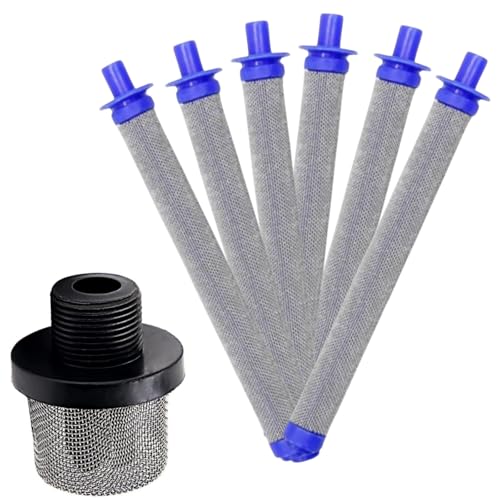
[ Package Includes ]: 1pc x 288716 Airless Paint Sprayer Inlet Screen + 6pc 288749 Airless Spray GunFilter

Gun filters helps removes debris from the coating protecting the pump, reducing tip clogging and providing a better quality finish
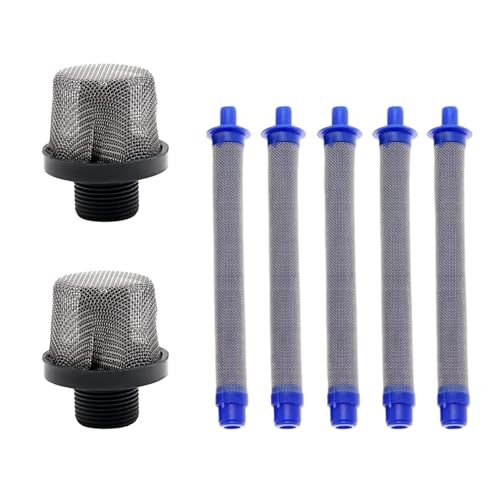
【Wide Compatibility Filter Set】 Includes 2 x 288716 Inlet Screens + 5 x 288749 Spray Gun Filters, compatible with popular Graco models: X5/X7/ProX series sprayers and SG10/SG20/SG Pro guns—ideal for multi-equipment maintenance.
What You Need to Know About External Factors Impacting Spray Quality
Have you ever had a spray job turn out less than perfect? Yeah, I’ve been there too. Understanding what affects spray quality can seriously improve your results.
Temperature and humidity are key players in the game. When the weather’s too hot or too humid, it can mess with drying times and even cause spitting if the paint isn’t atomizing like it should. So, it’s smart to check the weather before you start your project. And remember, always use quality paint. Cheap options might look tempting, but they can lead to clogs and make your application inconsistent.
Now, let’s talk distance. Keeping a spray distance of 10-12 inches is crucial. If you get too close, you risk disrupting the spray pattern, and no one wants to deal with spitting paint all over their hard work. So, what’s the trick to getting that distance right? Practice a little before diving into your project.
Adjusting your sprayer’s pressure settings can make a world of difference too. A low pressure might seem safe, but it can lead to uneven application. Nobody wants streaks or patches on their surface. Don’t hesitate to play around with the settings until you find what works best for your project.
And here’s something you might not think about: check for obstructions in the hose or gun. Trapped air or faulty fittings can cause pulsing, which makes your paint delivery uneven. Honestly, spending a few minutes to check everything can save you a lot of headaches later.
For larger staining jobs, having a sprayer with motor power above 500W ensures better application rates and smoother finishes.
Recommended Products

Complete Set: Includes 6 reversible spray tips of various types with spacer, 6 paint filters, 2 nozzle tip guardsand 1 paint sprayer replacement inlet strainer, offering a complete solution for your daily spray painting needs and replacements.

High-Quality Materials: Our reversible airless spray tip nozzle is crafted from premium 304 stainless steel handle and tungsten carbide hole, ensuring stability, reliability, and resistance to breakage or damage. The head is made of stainless steel head gasket and nylon, which is leakproof, wear-resistant, tasteless, non-toxic, easy to clean, and designed for long-lasting use.

6 in. spray pattern ideal for narrower surfaces such as decks, fences and outdoor furniture
Effective Tips for Preventing Clogs and Paint Splatter
Ever had that moment when you’re halfway through painting, and boom—clogged sprayer? Yep, it’s frustrating. To get that smooth, professional finish we all want, preventing clogs and paint splatter is key.
First things first: always strain your paint. Removing any debris before you pour it in can save you a lot of headaches down the line. And let’s not forget about consistency; make sure to follow dilution guidelines set by the manufacturer. Getting the right balance helps keep your sprayer flowing smoothly and reduces the chances of blockages. After each use, flush out the sprayer with the right cleaning solution. It’s a simple step that’s worth the effort to keep everything clear and working properly.
Now, about those pesky splatters. Here’s the trick: always use the right spray tip size for your type of paint. Too often, we rush this decision, but it makes a big difference. Also, try to maintain a spray distance of about 10-12 inches from the surface you’re painting. This will not only help to minimize splatter but also give you a more even application.
Using the correct mesh filter size is another essential tip to keep contaminants from sneaking into your sprayer. You don’t want anything messing up your beautiful work, right?
Additionally, selecting a sprayer with adjustable nozzle sizes allows you to tailor the spray pattern precisely to your project’s needs, which can significantly reduce spitting and pulsing.
Recommended Products

Bulk Quantity Strainer Filter Pack: 50 count of "Pure Blue" ultra-flow fine nylon mesh paint filter funnel, each cone strainer with extremely fine 190-micron filter tips.

Designed to give you a professional finish with less overspray

15pieces sets contained 6 Reversible Spray Nozzle Tips , 6 Airless Paint Spray Gun Filter ,1 Inlet Strainer and 2Pcs Nozzle Tip Guards for Spraying Machine Parts. Airless sprayer nozzles are compatible with most airless sprayers and are sufficient for your daily use and replacement requirements.
When to Seek Professional Help for Persistent Sprayer Issues?
Have you ever found yourself battling a pesky sprayer that just won’t cooperate? It can be super frustrating when you’ve done everything right—cleaning the filter, checking the components—and yet, you’re still faced with clogs and spitting. This is when it might be time to consider calling in a pro.
If you’re still seeing those annoying clogs and inconsistent spray patterns after following all the manufacturer guidelines, don’t hesitate to reach out for professional help. Here are some key signs that it’s time to consult an expert:
- Wear indicators on the spray tips: If those tips are looking worn down, your sprayer’s performance will likely take a hit.
- Sudden changes in pressure: Are you experiencing pressure fluctuations without making any adjustments? That could point to a more significant mechanical failure.
- Troubleshooting attempts haven’t helped: If you’ve tried every DIY fix in the book and nothing seems to work, it’s okay to admit that you need some expert eyes on the problem.
When your projects rely on reliable equipment, having a professional diagnose the issue can save you time and frustration. Honestly, the right expert can often pinpoint the problem quickly, letting you get back to work without further hassle.
In the end, if you notice persistent issues that just won’t budge, don’t shy away from seeking help. It could save you a lot more time and headaches in the long run. What steps have you taken when your sprayer just wouldn’t cooperate? Also, understanding the importance of surface compatibility can prevent many common problems before they start.
Frequently Asked Questions
What Causes a Spray Gun to Pulsate?
A spray gun pulsates mainly due to inconsistent spray pressure and incorrect nozzle size. We’ve found that air bubbles, clogs, or worn components contribute, so maintaining these factors helps us achieve a smoother spraying experience.
Why Does My Spray Tip Keep Clogging?
We’ve all experienced that frustrating moment when our spray tip clogs, like trying to sip water through a blocked straw. Regular spray tip maintenance and filter inspection can keep our flow smooth and effective.
Why Is My Spray Tip Spitting?
Our spray tip’s spitting might stem from improper fluid viscosity or insufficient spray tip maintenance. Ensuring we use the right viscosity and regularly clean our tips can help achieve a smoother, more consistent spray pattern.
How to Keep a Sprayer From Clogging?
We’ve all dreamed of a clogged sprayer—said no one ever! To prevent that tragic fate, let’s guarantee our filter cleaning is on point and we practice regular preventative maintenance. Trust us, it’s worth it!


