As an Amazon Associate, we earn from qualifying purchases. Some links on this site are affiliate links at no extra cost to you. Our recommendations are based on thorough research and editorial judgment.


Why Two Coats Matter: Coverage vs Film Build Explained

Applying two coats of paint might seem like a hassle, but it’s worth it if you want your walls to look their best. Have you ever noticed how a single coat just doesn’t cut it? You’re probably left with uneven color and subpar durability.
You may be interested


A single layer might only give you about 1-1.5 mils of thickness, but when you go for that second coat, you can bump it up to a solid 3-4 mils. This extra thickness not only boosts the vibrant color but also makes your paint job tougher.
So, why does this matter? Well, layering helps with adhesion, reduces moisture problems, and can seriously extend how long your paint lasts. You really want your hard work to hold up, right?
If you’re aiming for that professional finish, it’s a smart idea to keep a wet-film gauge handy while you paint. This tool can help you keep track of how thick your layers are as you go along.
Here’s the trick: choosing the right paint and techniques can make a huge difference! Take your time to explore options that suit your space and style. Honestly, getting those details right can elevate your whole project.
In short, don’t skip the second coat if you want a lasting, high-quality look. What’s your go-to tip for achieving that perfect paint job?
Key Takeaways
- Two coats enhance color depth, providing a more uniform finish and preventing premature fading compared to a single coat.
- Achieving the ideal film thickness of 3-4 mils for interiors or 5-7 mils for exteriors often requires a second coat to ensure durability.
- Quality of paint and surface preparation play crucial roles in achieving effective coverage and minimizing the risk of moisture issues.
- Applying only one coat risks reduced adhesion, leading to quicker wear, fading, and a need for increased maintenance.
- Using high-quality paints and techniques can improve coverage, but generally, two coats are recommended for consistent finish and longevity.
Why Two Coats of Paint Are Crucial for Coverage and Durability

Ever started painting a room only to end up frustrated when the color doesn’t look quite right? You might think one coat is enough, but trust me, applying two coats of paint can make a world of difference.
The first coat is like a good primer. It seals the surface and acts as a bonding layer, which is really important for coverage. Then, the second coat? That’s where the magic happens. It deepens the color and gives you that uniform finish we all crave, plus it adds a layer of durability. Without it, you run the risk of showing the underlying layers, which can lead to moisture issues down the road and higher maintenance costs.
Using high-quality paints, like Sherwin-Williams Emerald® or Benjamin Moore Aura®, is essential, but they really shine when you apply two coats. Think about it: two coats can extend your paint’s lifespan by 30-50% and boost its resistance to all that wear from cleaning and chemicals. So, why does this matter? Because it means less hassle for you in the long run.
Want to keep your paint job looking fresh? Here’s the trick: always go for two coats. Not only will it enhance appearance, but it’ll also save you time and effort on maintenance.
When working on these painting projects, using a durable fiberglass ladder can provide added safety and ease when reaching high spots.
Ultimately, a two-coat approach is key for great protection and longevity in your painting projects. So, the next time you pick up that brush, will you stick with one coat or go for two?
Factors Influencing the Need for Two Coats of Paint

What’s the deal with needing two coats of paint? Sometimes it feels like a hassle, but there are solid reasons behind it. First off, the quality of your paint matters a lot. Premium paints are typically loaded with more pigment, which means they cover better and last longer. If you’re using a budget option, you might find yourself reaching for that second can way sooner than expected.
Surface preparation is another thing to think about. If you’re painting over a porous or patched area, that surface can soak up paint like a sponge, and you’ll end up with uneven coverage. This is when that second coat really shines. So, you wanna make sure you’re prepping surfaces properly to avoid that patchy look.
Color contrast contributes to the need for an extra coat as well. Ever tried putting a light color over a dark wall? It’s like trying to cover a black coffee stain with white paint—it usually takes at least two coats to make it look right. So, if you want to get that fresh clean look, plan for another round of painting.
Don’t forget about environmental factors, either. Humidity and sunlight can really take a toll on your paint job, causing it to fade or get damaged over time. Two coats might seem like extra work now, but they offer better protection against the elements.
Using high-build primers can also help fill minor cracks and improve adhesion, reducing the number of paint coats needed for a smooth finish.
In short, preparing your surfaces well and picking high-quality paint is crucial for achieving that smooth finish that’s gonna last. Want your project to look its best? Don’t skimp on those extra coats!
What are your thoughts on this? Is there a project you’re thinking about where you might need that extra layer of paint?
The Science of Paint Film Thickness
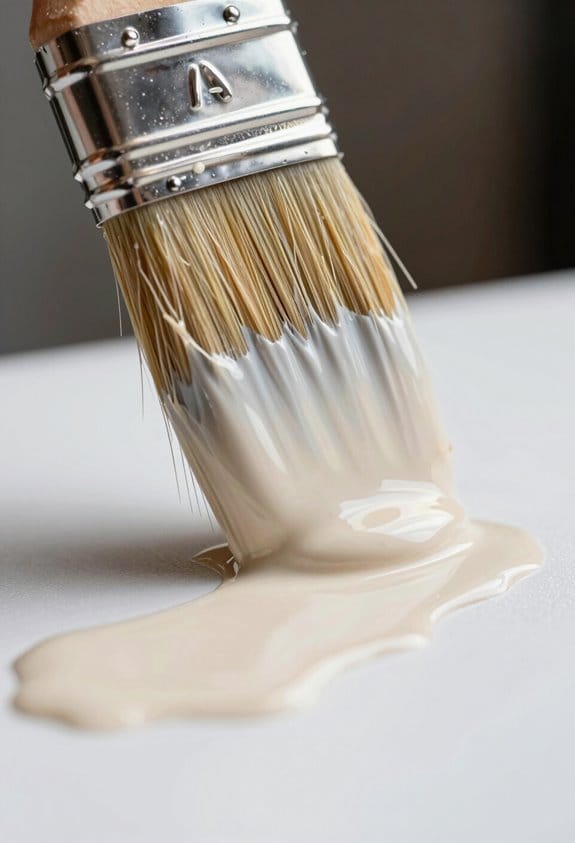
Have you ever painted a room, only to find it chips and wears away sooner than you expected? Understanding paint film thickness can make all the difference in achieving a lasting finish you can be proud of. For interior latex paints, aim for a dry film thickness (DFT) of 3–4 mils, and for exterior acrylics, shoot for 5–7 mils if you want your hard work to stand up against the elements.
Here’s the deal: a single coat of paint usually only gives you about 1–1.5 mils of thickness, which just doesn’t cut it when it comes to protecting your surfaces. What happens if you don’t use enough? Insufficient thickness can weaken adhesion, leaving surfaces vulnerable to moisture and UV rays. This can lead to premature wear and more maintenance than you bargained for. So, why does this matter? If you want your paint job to last, putting emphasis on thickness is crucial!
Here are some tips for getting it right:
- Use wet-film gauges during application to make sure you’re hitting those thickness targets.
- Apply multiple coats to ramp up durability against physical wear.
Additionally, proper surface preparation and using caulks with strong adhesion strength can significantly improve the longevity of your painted finish.
This isn’t just about aesthetics; it’s about giving your space the protection it needs. The best part is, by focusing on achieving that ideal film thickness, you can really extend the lifespan of your paint job.
How Two Coats Improve Color Uniformity and Saturation
Applying two coats of paint can really make your project pop. Ever notice how one coat can sometimes look uneven or lackluster? That first layer tends to soak into the surface, leading to those frustrating patches where the color just doesn’t match up.
When you go for that second coat, you’re not just adding more color; you’re actually locking in the first layer. This boosts the pigment density, bringing out the richness and depth of the colors you’re using. Bright hues like reds and yellows often need that extra layer to avoid peeking through any underlying color.
Here’s the trick: applying two coats also helps with full coverage, meaning you don’t have to stress about spots that might show through later. The finish will look smoother and feel more professional, which is especially nice when the light hits it just right. You’ll create a more cohesive and vibrant appearance that makes your work shine.
So, why is all this important? It really enhances the overall look of your project and makes everything feel more polished. Honestly, if you’re inclined to skip that second coat, just remember it can make a huge difference in how your colors come out.
Risks and Drawbacks of Applying Only One Coat of Paint
Ever thought about skipping that second coat of paint? It might feel like a smart way to save some time, but the truth is, it often leads to a lot of headaches down the road. When you only apply one coat, you’re looking at issues like fading and peeling much sooner than you’d like. That’s because most single coats only come in at about 1 to 1.5 mils thick, while you really want 3 to 4 mils on indoor surfaces and up to 7 mils outside for a solid, lasting finish.
So, what does this mean for you? For starters, the color you love might not show up the way you’d hoped. One coat can leave surfaces looking patchy and uneven, which is definitely not the look you want. Plus, skipping that extra layer can mean you’ll have to repaint sooner than you planned—talk about wasting time and money!
Consider this: professional painters often recommend going for two coats. It helps with bonding strength and durability, so your paint job not only looks better but lasts longer too. You want your walls to stand the test of time, right?
In addition, using the right paint thinner compatibility when applying multiple coats ensures proper adhesion and finish quality.
In short, while it’s tempting to cut corners, sticking to the two-coat rule can save you from extra work and costs later on. Have you ever had a paint job that didn’t turn out quite as expected? Sometimes patience really does pay off.
Effective Painting Techniques for Achieving Optimal Coverage
Ever start a painting project and feel overwhelmed by the thought of achieving that perfect coverage? You’re not alone. The key to getting great results lies in a mix of solid techniques, high-quality supplies, and the right prep work.
First off, investing in high-quality paints can make a huge difference. These paints often have better pigment density, meaning you’ll need fewer coats to get that even look you want. Plus, you won’t have to stress about hiding those pesky underlying colors or imperfections.
Now, let’s get into some painting techniques that really work. One of my favorites is using a brush-and-roller combo. This method helps you achieve not just even coverage but also a nice film build on your surfaces. Ever notice that sometimes paint seems to dry differently based on the weather? Pay attention to the moisture and temperature during your project because they can significantly affect how quickly your paint dries and how smooth the finish turns out.
Before you even think about painting, proper surface prep is crucial. Cleaning and priming your surfaces will help the paint stick better and perform well over time. It’s not as glamorous as slapping on color, but doing this prep work can literally lead to a smoother finish and longer-lasting results.
If you’re curious about achieving the right thickness during your paint job, try using wet-film gauges. They help ensure each coat meets what the manufacturer recommends, giving you peace of mind about the durability of your work.
At the end of the day, following these steps can pave the way for a successful painting experience that’s not only aesthetically pleasing but also durable. So, what’s stopping you from diving into your next painting adventure? Don’t be afraid to give it a shot!
Also, consider using an oil-based primer before painting, as it provides a strong adhesive base and enhances the coverage and durability of your paint job.
Why Two Coats of Paint Save You Cash in the Long Run
Have you ever thought about why painters always suggest putting on two coats of paint? It turns out that choosing to go with two coats can actually save you a chunk of change in the long run. Regularly, a paint job with just one coat will only last about 2–3 years, but if you use two coats, you’re looking at 6–10 years instead. That’s a significant difference!
When you break it down, the cost per year plummets from $0.42 to just $0.18 with that second coat. Talk about a bargain! Plus, those two coats provide better coverage and form a solid barrier against wear and tear, harmful UV rays, and moisture. This means less money spent on repairs and upkeep down the road.
By skipping that second coat, you could end up with premature fading and a bigger headache than you bargained for. And here’s a heads-up: many paint manufacturers even void their warranties if you don’t apply both coats. So, why would you risk it? Investing in that second coat helps ensure your paint job lasts as long as possible.
In short, if you want to save money over time and keep your place looking sharp, don’t skip the double coat. It pays off more than you might think! How often do you tackle a paint job? Maybe it’s time to rethink your approach before you splurge!
For the best application results and durable finish, consider using a Graco Paint Sprayer which allows precise control and smooth paint flow.
Consequences of Skipping the Second Coat?
Skipping that second coat of paint? It might seem like a smart way to save time or money, but it can lead to some serious headaches down the line. Without that extra layer, you’re not just cutting corners; you’re risking a finish that could quickly fade or end up looking marred with roller marks. Instead of a solid 3–4 mils of protection, you’ll be stuck with just 1–1.5 mils, which is a pretty big difference.
Think about it: a single coat often doesn’t provide the coverage you need. You might find yourself dealing with paint that peels or blisters over time. That’s definitely not what you want after all that hard work! Plus, skipping that second coat can mean repainting or touching up much sooner than expected—like 30–50% sooner. That’s doubling your maintenance needs, and nobody wants that!
So, what’s the bottom line? Taking the time to add that extra coat is a game plan that pays off. Your project will look better and last longer, giving you peace of mind and saving you from future hassles. Isn’t it worth it to invest a little more to achieve a finish you’ll be proud of?
In short, don’t underestimate the power of that second coat. It’s the secret to durability and a polished look that can really make a difference in your painting projects. Using the right flow control on your paint sprayer can also help ensure each coat is applied evenly and without waste. What’s your experience with paint coats—have you ever skipped one and regretted it?
How Professionals Determine the Right Number of Coats for Your Project
Ever tried painting a room, only to wonder how many coats you really need? It can be confusing! While some might think slapping on an extra layer will do the trick, there’s actually more to it than that.
Professionals often take a closer look at a few key factors before diving in. They assess the type and condition of the surface you’re working on. The last thing you want is to use paint that won’t stick well or doesn’t perform right for your specific situation. It’s also helpful to measure the dry film thickness (DFT) to ensure you’re getting the right coverage – for interiors, that’s typically around 3-4 mils, while exteriors usually call for 5-7 mils.
So, how does color fit into the mix? If you’re choosing a bold shade, you might find yourself needing an extra coat for that perfect finish. Honestly, nobody wants a patchy look! Most high-quality paints recommend a minimum of two coats for that clean, durable finish you’re after.
Before you even think about applying that second coat, take a moment to check the coverage. Make sure it’s even and the paint is sticking well. This step is crucial because it can save you from future headaches like peeling or fading. It’s those little things that make a big difference in the long run.
To wrap it up, the right number of coats depends on a mix of factors: the surface, the paint, and the color choice. Take a little time to assess each of them. What coat strategy will you try for your next project? Choosing primers with fast-drying properties can also help speed up your project while maintaining quality.
Frequently Asked Questions
Why Should You Do Two Coats of Paint?
When we paint, think of it as weaving a tapestry; two coats bring out the rich color depth and smooth finish quality. This method enhances paint durability, texture uniformity, and aesthetic appeal, while ensuring cost efficiency too.
Does the Number of Coats Affect Coverage?
Yes, the number of coats affects coverage. More coats increase coat thickness and paint opacity, ensuring color consistency and better light reflection. Proper application technique and primer necessity also enhance finish durability across various paint types.
Do Professional Painters Use Two Coats of Paint?
Yes, we professional painters often use two coats of paint. This technique not only enhances color depth and finish quality but also minimizes common pitfalls like uneven textures, assuring a lasting and beautiful result.
Is 2 Coats of Primer Overkill?
We don’t think two coats of primer are overkill; they guarantee better surface preparation, improve finish quality, and help with color variations. Considering the benefits, paint thickness, and project longevity, it’s worth the extra effort.