As an Amazon Associate, we earn from qualifying purchases. Some links on this site are affiliate links at no extra cost to you. Our recommendations are based on thorough research and editorial judgment.


How to Reduce Overspray Indoors: Masking, Ventilation, and Technique

Got a DIY project coming up indoors? Overspray can be a real headache. If you want to keep the mess to a minimum, it’s all about how you prep and spray.
You may be interested


First things first, masking is crucial. Make sure all the surfaces you don’t want paint on are covered with high-tack tape and plastic film. That way, you’ll capture any wayward spray before it makes a mess.
Next up is ventilation. It’s so important to keep the air flowing while you work. Use exhaust fans to keep a consistent circulation going. This not only helps with drying but makes it safer for you too.
Now, let’s talk technique. When you’re spraying, aim to keep the nozzle about 10-12 inches away from the surfaces.
Adjusting your pressure is also key; between 1500-2500 psi usually does the trick for even coverage. And don’t skip on checking your equipment; keeping it in good shape will save you a lot of headache in the long run.
Trying these strategies will definitely help you nail that clean finish. What other tips have you found helpful in keeping overspray at bay?
Key Takeaways
- Use high-tack masking tape along edges and cover larger areas with plastic film to prevent paint bleeding and simplify cleanup.
- Ensure proper ventilation by using exhaust fans and creating cross-ventilation while monitoring humidity and temperature.
- Maintain a consistent distance of 10-12 inches from surfaces while spraying to achieve even coverage and reduce overspray.
- Adjust spray pressure to avoid fine mist and use high-pressure units for thicker coatings for better atomization.
- Conduct a final inspection under bright lights to identify and address imperfections while the paint is still fresh.
Key Techniques for Reducing Overspray While Painting

Are you tired of cleaning up overspray after painting indoors? It can be both frustrating and time-consuming. To help with this, remember that keeping your spray gun about 10 to 12 inches from the surface can make a world of difference. This small adjustment ensures you get a consistent angle, which helps to limit how far those paint particles travel.
Another useful tip is to overlap your passes by about 50%. This will help ensure that your coverage is even, reducing the chances of striping and those pesky irregular paint spots. I can’t stress enough how important it is to adjust your spray pressure. If you’ve got it set too high, you’ll end up with a fine mist that just floats around, creating more overspray than necessary.
Now, when you’re working on those hard-to-reach areas, extensions or swivel tips can definitely come in handy. Using these tools can help you maintain that steady spray pattern throughout your project. And let’s face it, who doesn’t want a smoother finish without the hassle?
Here’s the trick: practice disciplined spraying. Move the gun while pulling the trigger to keep from dumping too much paint in one spot. This technique might take a little getting used to, but it’s worth it to avoid those heavy spots that lead to overspray issues.
Choosing a turbine paint sprayer with a non-bleed mechanism can significantly reduce overspray and improve paint efficiency indoors.
The Importance of Proper Masking to Prevent Overspray
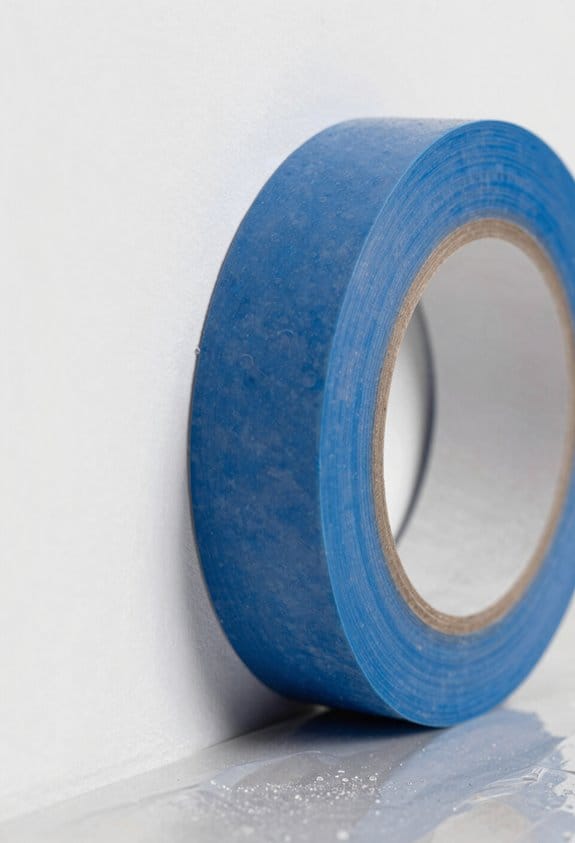
Are you tired of paint getting everywhere but where you want it? If you’re diving into an indoor painting project, mastering proper masking techniques is crucial to dodge the mess of overspray.
Try this: grab some high-tack masking tape and carefully apply it along the edges of your surfaces. Make sure it seals tightly; you don’t want any paint bleeding through. For larger areas, it’s a smart move to pair that tape with plastic film or drop cloths. Not only will they catch any overspray, but they’ll also make your cleanup a whole lot simpler.
So, why does this matter? It’s not just about keeping things neat. You also need to seal off HVAC vents and cover any sensitive electronics. Trust me, these precautions can save you from dealing with paint where it shouldn’t be. If you’re tackling a big space, consider using a masking machine; it can really speed things up and give you that consistent look.
Here’s the trick: using quality products can make all the difference. For example, try Q1® Precision Line Masking Tape for those sharp lines that give that professional finish. The best part is, when you take your time to mask correctly, people will definitely notice the results. Additionally, selecting the right adhesive strength helps ensure clean removal without damaging surfaces.
Recommended Products

Premium high tack ¾-Inch masking tape attached to a high density, 0.5 mil thick protective film
Premium high tack ¾-Inch masking tape attached to a high density, 0.5 mil thick protective film

WATERPROOF: not affected by rain, dew or washwater
Ventilate Your Space Right While You Paint

Ventilate Your Space Right While You Paint
Ever tried painting indoors only to be hit by that overpowering smell of paint? Proper ventilation is super important for a comfortable and safe painting experience. To make your life easier, consider using exhaust fans and creating some cross-ventilation in your workspace. It’s all about keeping that air moving.
Make sure you’re also checking the temperature and humidity levels. Each paint brand usually has specific guidelines for the best spraying conditions, and following those can make a big difference. Don’t forget to close windows and turn off ceiling fans to avoid any annoying drafts that could mess with your paint job.
Here’s the trick: using HEPA-filtered air scrubbers can really elevate the air quality. They work by capturing paint mist and VOCs, so you’re not breathing in all those fumes. Keep an eye on your workspace for any potential sources of airflow that could affect your painting project. Regular checks help ensure you’re maintaining a controlled environment to prevent any unwanted overspray.
Air scrubbers with 3-stage filtration systems are particularly effective at improving air quality during indoor painting projects.
So, why does this matter? Creating a safe and effective atmosphere for painting isn’t just about the job at hand; it’s about your health and comfort too. By following some of these tips, you’ll be better set up for a successful paint project without feeling overwhelmed.
Recommended Products

3-stage Filtration: This air scrubber features a three-stage filtration system consisting of a pre-filter (MERV-10), carbon filter, and H13 HEPA filter. It effectively clears dust, pollen, smoke, and odors, while also capturing 99.97% of particles as small as 0.3 microns. This results in quick improvements to indoor air quality and a more pleasant living environment.

POWERFUL AIR PURIFIER - BlueDri's Air Shield 550 HEPA Air Scrubber delivers at least 40% more CFM than leading competitors in the category. It removes harmful airborne particles including smoke, pet dander, pollen, saw dust, and other miscellaneous debris.

【Whole-Home HEPA Air Scrubber】 CADPXS Shield-550 HEPA air purifier removes large airborne particles, including smoke, pet dander, pollen, paint fumes, sawdust, dust, and other construction debris. Designed for commercial and restoration use, this 550 CFM negative air machine helps improve indoor air quality on job sites and in whole-home environments
Choose the Right Sprayer to Minimize Overspray
Choosing the right sprayer can make a big difference in how much overspray you deal with during your painting projects. Have you ever noticed how messy things can get? Well, to cut down on that overspray, you’ll want to think about the pressure of your sprayer. For thicker coatings, you should go for a high-pressure unit, while a lower pressure sprayer is better for finer finishes.
If you’re tackling larger areas, opt for sprayers with a high gallons-per-minute (GPM) rate. These work wonders; they provide even coverage and mean you won’t have to make so many passes over the same spot. And let me tell you, that can save you a ton of time and hassle.
Digital pressure control sprayers are also a great option. They let you tweak the settings based on the viscosity of your material and the type of surface you’re working on. Honestly, it takes some of the guesswork out of the process. Plus, don’t forget about specialized systems like those from TriTech Industries; they can really enhance your performance and make painting smoother.
Another tip? Keep an eye on your equipment. Regular inspections and maintenance go a long way. Worn-out sprayers can lead to more overspray and an uneven finish. Using sprayers with programmable features can further optimize the application and reduce waste.
Recommended Products
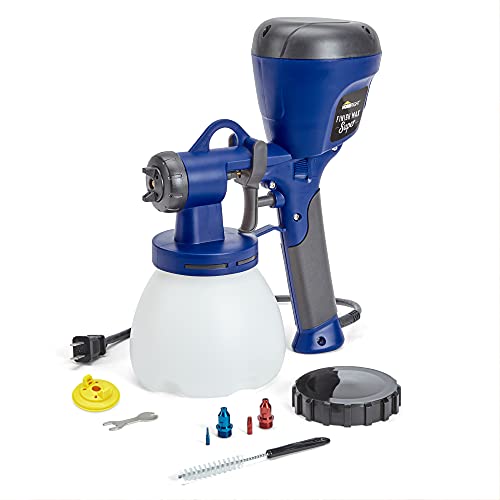
PAINT SPRAYER FOR COUNTLESS DIY PROJECTS: The HomeRight Super Finish Max paint sprayer offers the ultimate DIYing experience. It’s great for applying a great finish on small to large projects like fences, decks, furniture, cabinets, dressers and more.

Pro Performance with Upgraded Kit (Version Notice Included): Each LVLP spray gun is hand-tuned for balanced airflow and stable atomization. Precision-machined nozzle, needle, and air cap deliver an ultra-fine mist and a smooth, even fan pattern. Note: During our upgrade, you may receive different accessory configurations. The upgraded version includes additional air caps for improved basecoat & clearcoat performance. If your kit differs or feels incomplete, contact us — we’ll make it right.

WAGNER AIRLESS PAINT SPRAYER: The Control Pro 130 Power Tank applies coatings 3X faster than a roller with low overspray. It’s perfect for painting the exterior of your home, staining a large deck, and more
Optimize Your Spray Pressure to Control Overspray
Have you ever noticed how overspray can ruin a perfectly good indoor painting project? It’s frustrating to see paint splatters all over the place when you just want a clean finish. To tackle this issue, optimizing your spray pressure is key.
Aim for a spray pressure between 1500-2500 psi. If you’re working on a project, keeping it within this range can make a big difference. Too low of a pressure leads to incomplete atomization, which can leave you with uneven coverage. On the flip side, cranking it up too high can damage your airless sprayer and result in unwanted paint bounce-back.
Here’s the trick: get the right spray tip for the viscosity of your paint. This simple choice can help you achieve a clean, smooth pattern. Don’t forget to regularly check your spray tips and replace any that have seen better days; worn-out tips won’t maintain consistent pressure and can lead to a messy finish.
Have you ever adjusted your pressure settings based on humidity or temperature? Doing so can really enhance your results and dramatically cut down on overspray. When you take these variables into account, you create a smoother painting process that not only benefits your project but also keeps your surroundings cleaner.
Many sprayers, such as the Wagner Control Pro 130, utilize HEA technology to reduce overspray by up to 55%, making them ideal for maintaining a cleaner workspace indoors.
Maximize Floor Protection With Drop Cloths and Shields
Have you ever tackled an indoor painting project and ended up with more paint on the floor than on the walls? It’s a nightmare, right? To keep our floors safe from pesky overspray, it’s all about how we cover and protect them.
Start with professional-grade drop cloths instead of newspapers. They really do a better job preventing paint bleed-through and slips. Look for drop cloths that have absorbent material on one side and waterproof on the other. This combo catches drips and keeps your floors dry.
Now, don’t just lay those drop cloths down and hope for the best. Weigh them down or tape them in place. You want to make sure every inch of your floor is covered and nothing shifts while you work.
Here’s a little trick: use masking films or those handy paint shields for your furniture and fixtures. They do wonders for keeping overspray from getting on things you didn’t mean to paint. It’s all about making clean-up easier and getting a nice, crisp paint job.
So, why does this matter? Simplifying your setup makes a huge difference in your overall experience. Plus, you’ll save yourself a lot of time and frustration in the long run.
When you take the time to set up your space properly, you’re setting yourself up for success. Just remember to cover, weigh down, and shield. Happy painting! What’s your best tip for protecting floors during DIY projects?
For the best protection, consider using drop cloths made of thick twill or cotton duck materials, as these provide superior absorbency and durability.
Recommended Products

1. Versatile Floor and Furniture Protection: More than just for painting, these durable plastic sheet protect floors, furniture, carpets, ceilings, wardrobes, and even cars from dirt and dust. Use them as furniture covers, rainproof outdoor covers, or to safeguard windows from weather damage

Premium Cotton Canvas Material : Salt Earth drop cloths are made with premium quality thick cotton canvas material which provides excellent protection against paint spills, dust and can absorb any liquid on your furniture, walls, floors making your life easier. It consists of double stitched hems and seams on the sides to prevent it from ripping and tearing.

PAINT WITH CONFIDENCE AND NO MORE STAINS: Six pack plastic drop cloths for painting shield floors, carpet, furniture; works as painters plastic drop cloth, paint drop cloth, plastic sheeting for painting, and paint tarp for quick cleanup.
Maintain Your Equipment for Overspray Control
Ever had a day when overspray ruined your project? It’s frustrating, and it often comes down to how well you maintain your equipment. Regular upkeep can make a big difference in controlling that pesky overspray.
Start by checking your spray tips. Worn out tips can lead to messy jobs, and they usually have a lifespan of 50 to 500 liters of paint. Got a tip that’s seen better days? Replace it before it causes more issues.
After you finish using your airless pump or switch colors, don’t wait too long to clean it. A quick cleaning and flushing can save you from clogs later on. Use the right solvent for your paint type and make sure everything dries completely before you put it back together. This routine goes a long way in keeping your spray patterns nice and smooth.
Here’s the trick: every four hours, apply some Throat Seal Liquid to the piston. It helps keep things running smoothly and can extend the life of your sprayer.
Truth is, keeping up with a cleaning and maintenance schedule isn’t just about avoiding clogs. It helps prevent the kind of inconsistent spray patterns that can mess up your work. So, why does this matter? Because it ensures you can stay efficient and produce quality results every time.
In short, taking care of your equipment is key to managing overspray. Regularly checking the nozzle sizes can also optimize your spray pattern for best results. So, what’s your go-to method for maintaining your gear?
Recommended Products

Multi-Purpose Spray Gun Cleaning Kit:Cleaners of different sizes can be used to clean tools of different sizes. This kit can also be used in conjunction with any diluent or solvent to remove residues and dirt from all types of spray guns, including suction guns, gravity-fed guns, high-flow low-noise guns, detail guns, touch-up guns, airless guns and compressor-driven guns.

High Performance: The paint sprayer suction tube kit effectively eliminates air leaks, cracks, and pressure drops caused by worn or brittle hoses. This upgraded airless paint sprayer suction hose assembly restores full suction and consistent paint flow, ensuring smooth and even coating results with every project.
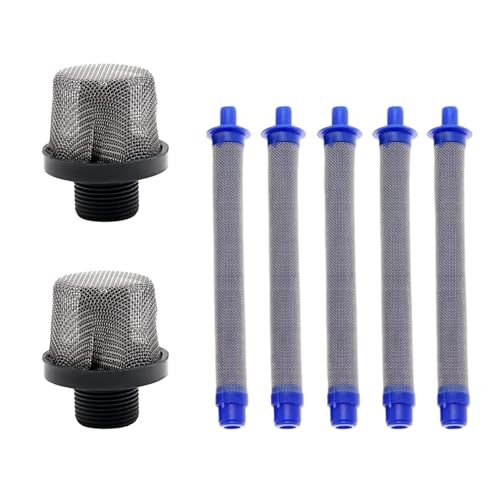
【Wide Compatibility Filter Set】 Includes 2 x 288716 Inlet Screens + 5 x 288749 Spray Gun Filters, compatible with popular Graco models: X5/X7/ProX series sprayers and SG10/SG20/SG Pro guns—ideal for multi-equipment maintenance.
Final Inspection: Spot Touch-Ups Easily
Final Inspection: Spot Touch-Ups Easily
Have you ever finished a spray job only to notice imperfections once you’re done? That’s frustrating, right? A thorough final inspection is key to ensuring you end up with a smooth, polished surface. You’ll want to do a meticulous walkthrough under bright work lights to hunt for thin spots, drips, or any inconsistencies. Don’t forget to check the edges, corners, and those masked areas that can be tricky.
It’s crucial to set aside enough time for this part of the process. Spotting issues right after spraying lets you fix them before they turn into bigger headaches later on. When you see something that needs attention, grab some compatible touch-up paint to make your repairs blend nicely.
Also, think about keeping track of any spots that require touch-ups. You can jot down these notes to help improve your technique for future projects—just like the pros do. Be sure to select primers with strong adhesion properties to prevent peeling in problem areas that may need spot correction.
So, what’s the takeaway here? A little diligence in your inspection can make all the difference in the final look of your work.
In the end, taking the time to do a proper final inspection isn’t just about fixing mistakes—it’s about making your work shine! Are you ready to put this advice into practice?
Practical Tips for Adjusting Your Spraying Technique
Once you’ve wrapped up the final inspection and confirmed that your surfaces are looking good, it’s time to polish your spraying technique. Keeping a consistent distance of 10–12 inches from the surface is key. This sweet spot helps you achieve even coverage while also cutting down on overspray.
As you move the spray gun, remember to hold it at a 90-degree angle to the wall. Aim for about a 50% overlap in your passes to avoid those annoying stripes. Here’s the trick: always pull the trigger while you’re in motion instead of stopping in one spot—this will help you dodge any heavy spots that can ruin your finish.
If your spray gun pressure feels low, you might end up creating a lot of mist. So, don’t forget to check that before getting started. And what about those hard-to-reach places? Extensions or swivel tips can really help out. Also, be aware of the volatile organic compounds in the materials you’re using; it matters when adjusting your technique.
For better outcomes, choosing sprayers with adjustable flow control allows you to fine-tune the amount of stain applied, reducing waste and overspray.
So, why does this matter? A few small adjustments can make a big difference in your final result. After all, no one wants to spend time redoing a job when it could’ve been done right the first time. Keep practicing and refining your technique, and you’ll get the hang of it in no time!
What’s one tip you’ve found helpful in your spraying projects?
Understanding the Concept of Overspray and Its Solutions
Ever had that sinking feeling when you realize paint’s managed to drift onto surfaces that were supposed to stay clean? Overspray is one of those pesky problems many of us might brush off, but it can make a real mess when you’re painting indoors. It happens when tiny paint particles settle on areas where you didn’t intend them to, often due to how you’re spraying or even outside conditions.
To tackle this issue, here’s the lowdown: keep your spray distance consistent—aim for about 10 to 12 inches from the surface as you work. This small adjustment can really help control where your paint lands. And speaking of control, choosing the right spray tip size can cut down on overspray significantly.
Masking is where you can really protect your space. High-tack tape and good protective coverings work wonders in keeping your furniture and floors safe from rogue paint. Here’s the trick: make sure you take a little time to mask everything off properly before you start. You’ll thank yourself later!
Adequate ventilation is another key player in this game. If your workspace is poorly ventilated, paint mist can build up and create an even bigger headache. Keeping some airflow going while you paint helps manage how much of that mist lingers around. Using a sprayer with adjustable nozzle sizes can further reduce overspray by optimizing the paint flow for your specific project.
Frequently Asked Questions
How Do You Minimize Overspray?
To minimize overspray, we’ll focus on disciplined spraying techniques, use effective masking to protect surfaces, choose the right paint selection, and guarantee thorough surface preparation. These steps help us achieve a cleaner, more professional finish.
Can You Spray Paint Inside With Ventilation?
Absolutely, we can spray paint indoors with proper ventilation. Think of it like baking; room temperature ingredients create a smoother batter. Utilizing the right spray nozzle types and ensuring paint curing time enhances our safety and results.
How to Protect Walls From Overspray?
To protect walls from overspray, we should tape edges carefully and use drop cloths for larger areas. Applying sealant beforehand can help, ensuring wall coverings remain intact during our painting project without any mishaps.
How to Ventilate a Room While Painting?
To ventilate a room while painting, we should guarantee good air circulation by opening windows and using fans. Let’s prioritize odor control and follow safety precautions like sealing off vents to protect our indoor environment.


